

Does the thought of making another side dish fill you with dread? I totally get it. Between busy workdays and school pickups, sometimes the thought of anything that takes more than ten minutes feels impossible. I remember those days vividly when I was trying to balance my career with actually feeling nourished; everything felt rushed and heavy. That’s why I am so thrilled to share this resource with you. This isn’t just another recipe; it’s my core method for transforming any vegetable into the best vegetable side dishes. Trust me, when you master this technique, you unlock that perfect snap—tender on the inside, beautifully caramelized and crisp on the outside. Welcome to your go-to guide for simple, powerhouse flavors that reclaim the joy at your dinner table. For more quick meal inspiration, check out my thoughts on quick, easy weeknight dinners!
- Why This Is Your Perfect Oven Roasted Vegetables Guide
- Ingredients for Flavorful Roasted Vegetable Seasoning
- Step-by-Step Instructions for Quick Roasted Vegetable Medley
- Tips for Achieving Caramelized Roasted Vegetable Recipe Results
- Seasonal Roasted Vegetable Combinations and Variations
- Serving Suggestions for Best Vegetable Side Dishes
- Storage and Reheating Instructions for Roasted Vegetables
- Frequently Asked Questions About Roasted Vegetables
- Nutritional Information for This Simple Vegetable Side for Weeknight Meals
- Share Your Perfect Roasted Vegetables Creations
Why This Is Your Perfect Oven Roasted Vegetables Guide
I’ve thrown out more trays of steamed, sad vegetables than I care to admit when I was starting out! That’s why I developed this guide. Most recipes just tell you *what* to use, but we focus on *how* to use it so you finally learn the crispy roasted vegetables technique. My promise to you, based on years of trial and error in my own hectic kitchen, is that we will beat the infamous soggy vegetable problem forever. We are aiming for deep, rich flavor that makes people ask for seconds. If you want another example of simple veggie magic, you should check out my easy roasted carrots recipe for inspiration!
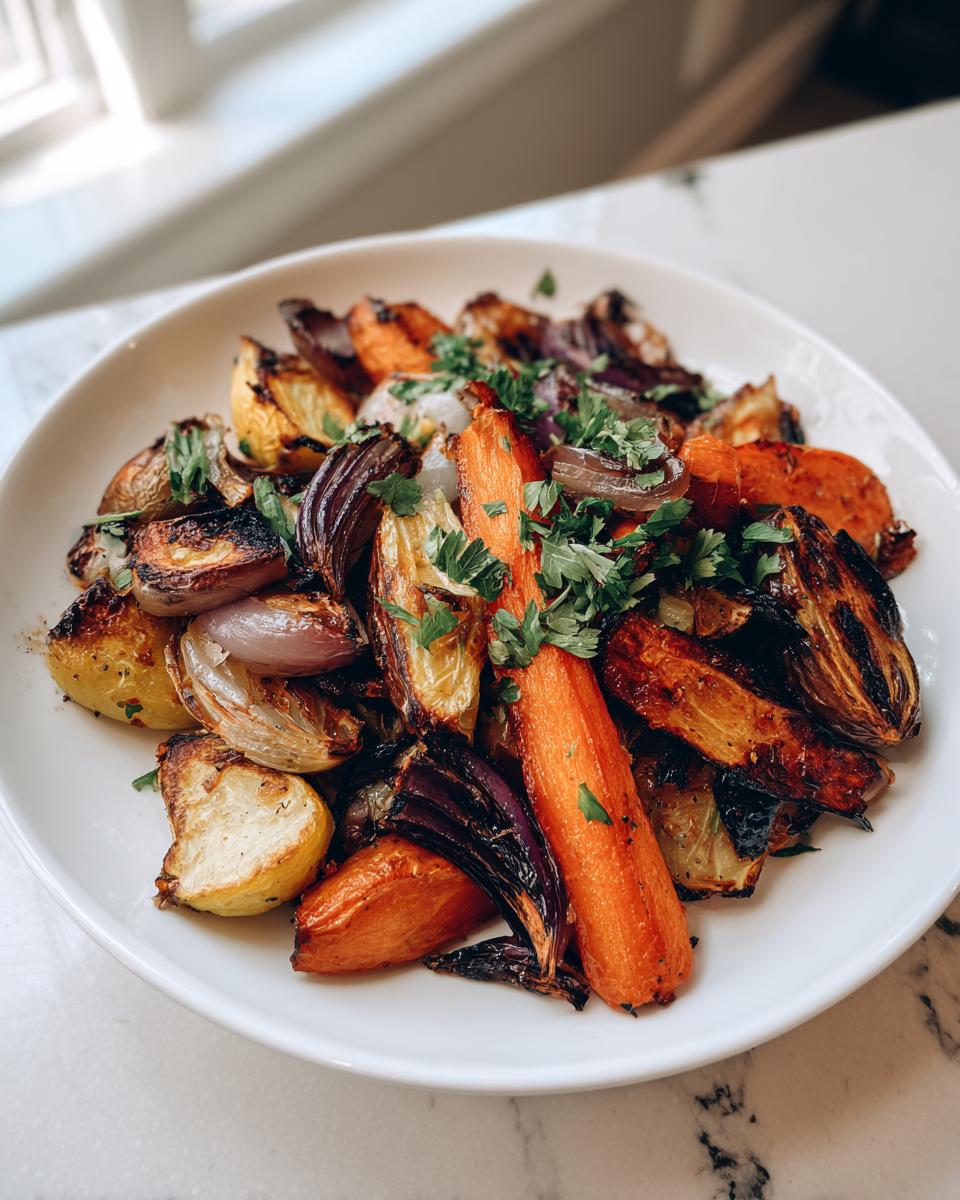
The Secret to Crispy Roasted Vegetables Technique
It really boils down to three non-negotiable rules for perfect oven roasted vegetables guide success. If you follow these, you simply cannot fail in achieving that fantastic texture:
- High Heat: We need the oven HOT, minimum 400°F, to shock the exterior and caramelize sugars quickly.
- Dry Surface: Water runs! If your veggies are wet, they steam instead of roast, leading straight to mush. Pat them dry like you mean it.
- Proper Spacing: Don’t let them touch each other! Overcrowding traps moisture between the pieces. Give them space to breathe on that baking sheet.
Ingredients for Flavorful Roasted Vegetable Seasoning
The beauty of this method is in the simplicity of the seasoning. We aren’t masking the vegetables; we are just encouraging their natural amazingness! Forget complicated mixes; this ensures you get incredible flavor and it keeps the cleanup minimal. I always measure my salt carefully—it really changes the caramelization process. This list of ingredients is designed to make easy roasted vegetables that taste like they took hours of fuss!
Ingredient Notes and Simple Substitutions
When you grab your 2 lbs of vegetables, try to keep the weight balanced. If you use 1 lb of broccoli, don’t use 1 lb of zucchini; keep the denser and lighter veggies roughly equal so they finish cooking around the same time. Also, feel free to swap out the herbs for whatever fresh stuff you have lurking! This recipe is wonderfully flexible and makes a fantastic, hearty vegan roasted vegetable side without needing to change a thing about the seasoning base.
Step-by-Step Instructions for Quick Roasted Vegetable Medley
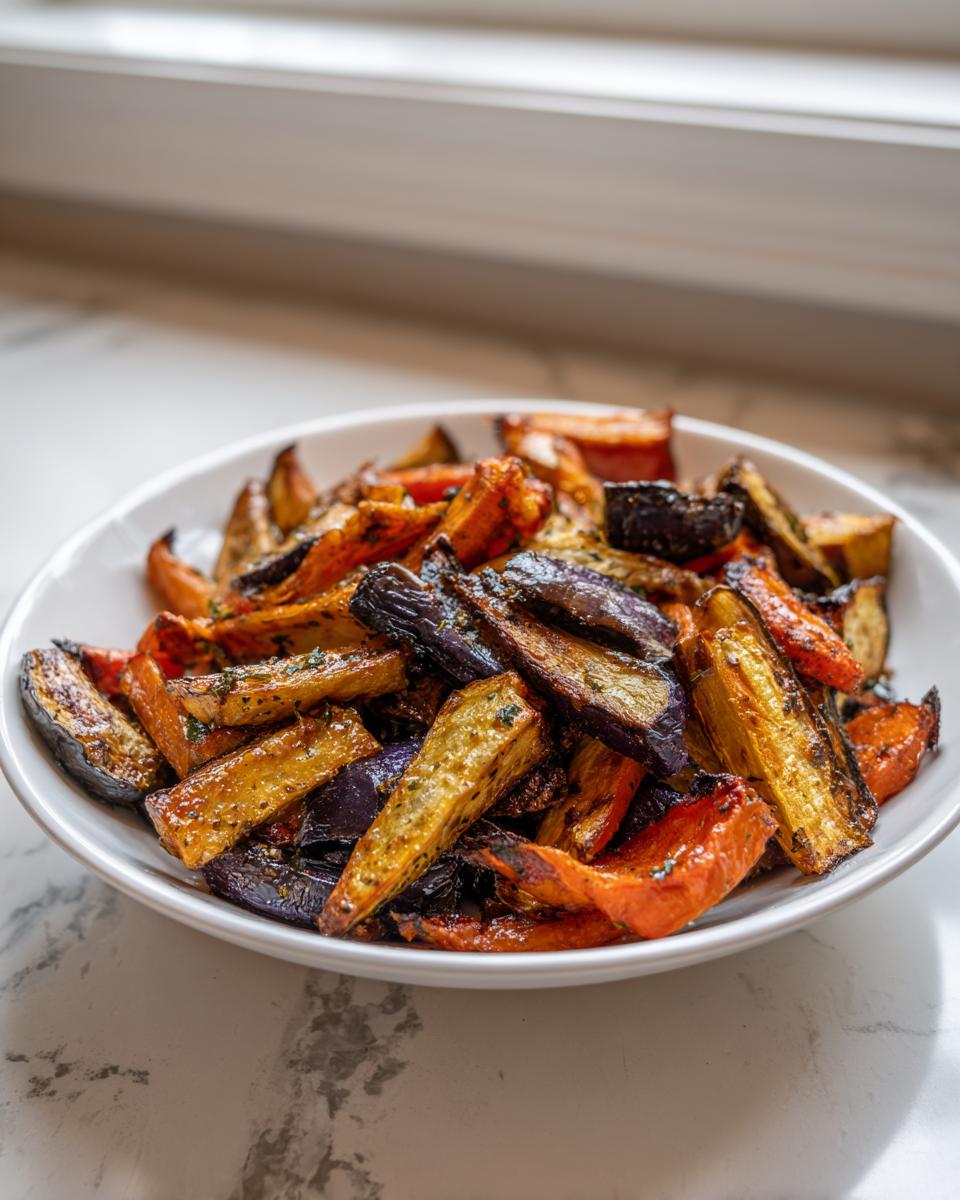
Okay, time to get cooking! Since we are aiming for that gorgeous brown crust outside while keeping the inside perfectly tender, the heat needs to be high—we’re targeting 425 degrees Fahrenheit right from the start. Preheat that oven while you prep. The most critical moment? Right after you wash your veggies. You absolutely have to dry them thoroughly! I mean, use a clean towel and pat them down. Excess moisture is the enemy of delicious roasted vegetables; wet veggies steam, and steam means no crunch! Next, chop everything so it’s roughly the same size. This uniformity is huge for even cooking. Toss everything in a bowl with the oil and seasoning—make sure every bit gets lightly kissed by the spices.
Spread them out on your sheet pan—and I mean *spread them out*. Don’t just dump them in a pile on top of each other. Remember what we talked about? Give them room!
- Preheat your oven to 425 degrees Fahrenheit. High heat is key for crispness.
- Wash and thoroughly dry all vegetables. Excess moisture causes steaming, leading to sogginess.
- Cut vegetables into uniform, bite-sized pieces. Uniformity ensures even cooking.
- Place the cut vegetables in a large bowl. Drizzle with olive oil.
- Sprinkle with salt, pepper, garlic powder, and dried herbs. Toss well until every piece is lightly coated.
- Spread the seasoned vegetables in a single layer on a large, rimmed baking sheet. Do not overcrowd the pan; use two sheets if necessary. Overcrowding traps steam.
- Roast for 20 to 30 minutes, turning the vegetables halfway through the cooking time.
- The vegetables are done when they are fork-tender inside and show deep brown, caramelized edges.
- Serve immediately as a versatile side dish.
If you want a deep dive into different approaches, check out this great guide on making the very best roasted vegetables. Also, if you happen to be making potatoes, remember my tip on air fryer potato wedges—we use high heat there too!
Crucial Step: Avoiding Overcrowding for Perfect Roasted Vegetables
I can’t stress this enough because it’s the number one way people ruin what otherwise would have been a perfect batch. When you pile your veggies on the sheet pan, they start touching, overlapping, and competing for space. What happens then? They essentially create a little vegetable sauna! Instead of the dry heat of the oven crisping up those edges, they just sit there sweating, releasing water vapor. This trapped steam makes them soft and mushy instead of beautifully tender with those lovely brown, caramelized spots. You want them in a single layer, no exceptions!
Tips for Achieving Caramelized Roasted Vegetable Recipe Results
Achieving that deep, almost sweet caramelization is what separates good roasted vegetables from *amazing* ones. This is where you really get that pure flavor boost! My best piece of advice here leans toward your oil choice. While olive oil is great for flavor, if you are roasting things like root vegetables that take longer, use an oil with a higher smoke point, like avocado oil, so it doesn’t burn before the vegetable is done. You want the oil just coating the surface, not swimming.
Also, don’t be shy about using the right pan! While I love my sheet pans, sometimes a darker, heavier metal pan conducts heat a bit better, helping those bottoms get browner faster. And speaking of color, if you want an extra layer of deep sweetness and beautiful color on things like carrots or squash, you should definitely try my trick from my brown sugar glazed sweet potatoes—a tiny bit of sugar sprinkled on near the end really brings out the natural flavors. For more simple roasting hacks, check out what the folks at jekof.com are doing!
Seasonal Roasted Vegetable Combinations and Variations
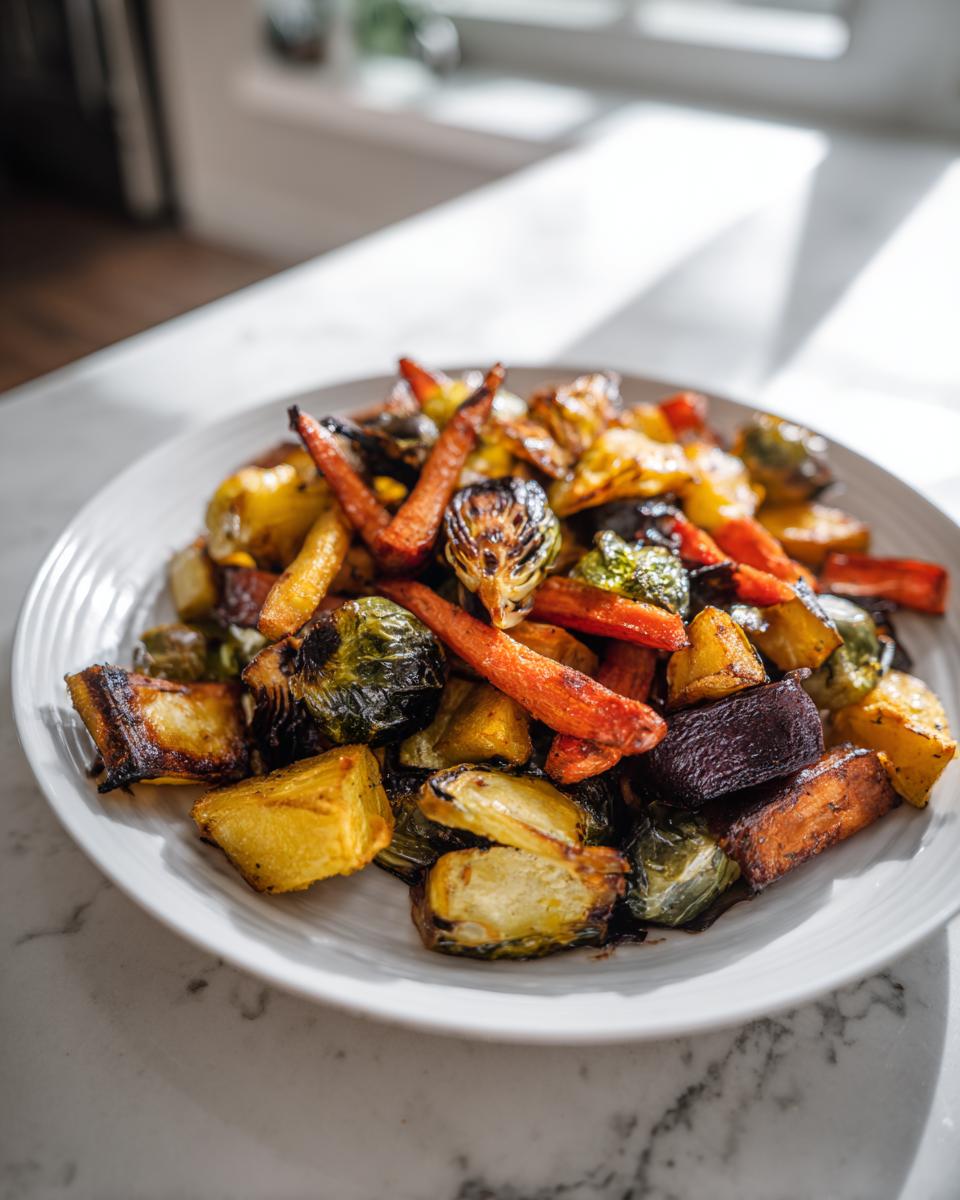
This recipe for roasted vegetables shines because it doesn’t care what day of the week it is or what season is outside. You can trust this method completely, whether you are throwing on spring asparagus or hearty winter root veg. That flexibility is what makes it such a reliable go-to side dish for me!
For instance, in the summer, I adore using zucchini, bell peppers, and chunks of fresh corn if I can get them. Toss them with smoked paprika instead of the dried herbs for a different vibe. When fall hits, I load up on Brussels sprouts and carrots, maybe tossing in some sweet onion wedges—that combination is just heavenly.
Remember my note earlier about root vegetables? If you decide to use denser veggies like sweet potatoes or regular potatoes, they take longer to get fork-tender. You might need to add about 10 minutes to the total roasting time. If you’re using those denser items, you might want to check out my tips for my perfect baked sweet potato guide to see how I handle potatoes when they need extra attention.
Making Garlic Roasted Vegetables Recipe Variations
If you love that strong, savory punch, let’s talk about customizing that garlic roasted vegetables recipe element. If you add fresh garlic minced fine right at the beginning with the oil and herbs, it often burns before the vegetables are done, leaving a bitter taste which ruins the whole batch. Don’t do that!
My trick is to add the fresh minced garlic during the last 10 minutes of cooking. Right when you toss them halfway through, sprinkle the fresh garlic on and give everything a quick turn. That way, the garlic gets fragrant, savory, and cooks through without scorching. Also, don’t forget you can swap herbs! Try dried oregano with zucchini or a pinch of smoked paprika whenever you want to switch up your herb profile. It’s all about making it your own!
Serving Suggestions for Best Vegetable Side Dishes
One of the best things about mastering roasted vegetables is that they become your absolute safety net when planning dinner during the week. When I’m faced with an evening where I only have fifteen minutes to pull a main dish together, knowing I have this simple, flavorful side ready to go is a lifesaver. This recipe is such a reliable, versatile side dish for weeknight meals!
I often pair this colorful medley with something quick and protein-heavy. It goes incredibly well alongside my quick air fryer chicken because the chicken drippings sometimes baste the veggies just a little bit for extra flavor. If I’m doing fish, I love throwing these alongside my easy baked teriyaki salmon; the savory, slightly sweet glaze on the fish contrasts perfectly with the earthy, roasted flavor of the veggies. Honestly, you can put these next to almost anything and call it a healthy, complete meal!
Storage and Reheating Instructions for Roasted Vegetables
Even the best roasted vegetables are sometimes too good to eat all in one go! Leftovers are a reality, and luckily, these hold up pretty well if you treat them right. The absolute key here is cooling them down before you seal them up. If you put piping hot veggies into a closed container, that trapped steam rushes back, undoing all that hard work we did getting them crispy!
Once they are completely cool—and I mean room temperature—transfer them to an airtight container. They’ll keep beautifully in the fridge for about three to four days max. Honestly, they are best used within the first 48 hours if you want maximum crunch retention.
Now, reheating is where people usually mess up and end up with a sad, mushy pile. Please, if you can avoid it, skip the microwave. The microwave is designed to heat water molecules, which just turns your lovely roasted edges back into sponges. For the best results and to revive some of that crispy texture, you need dry heat again!
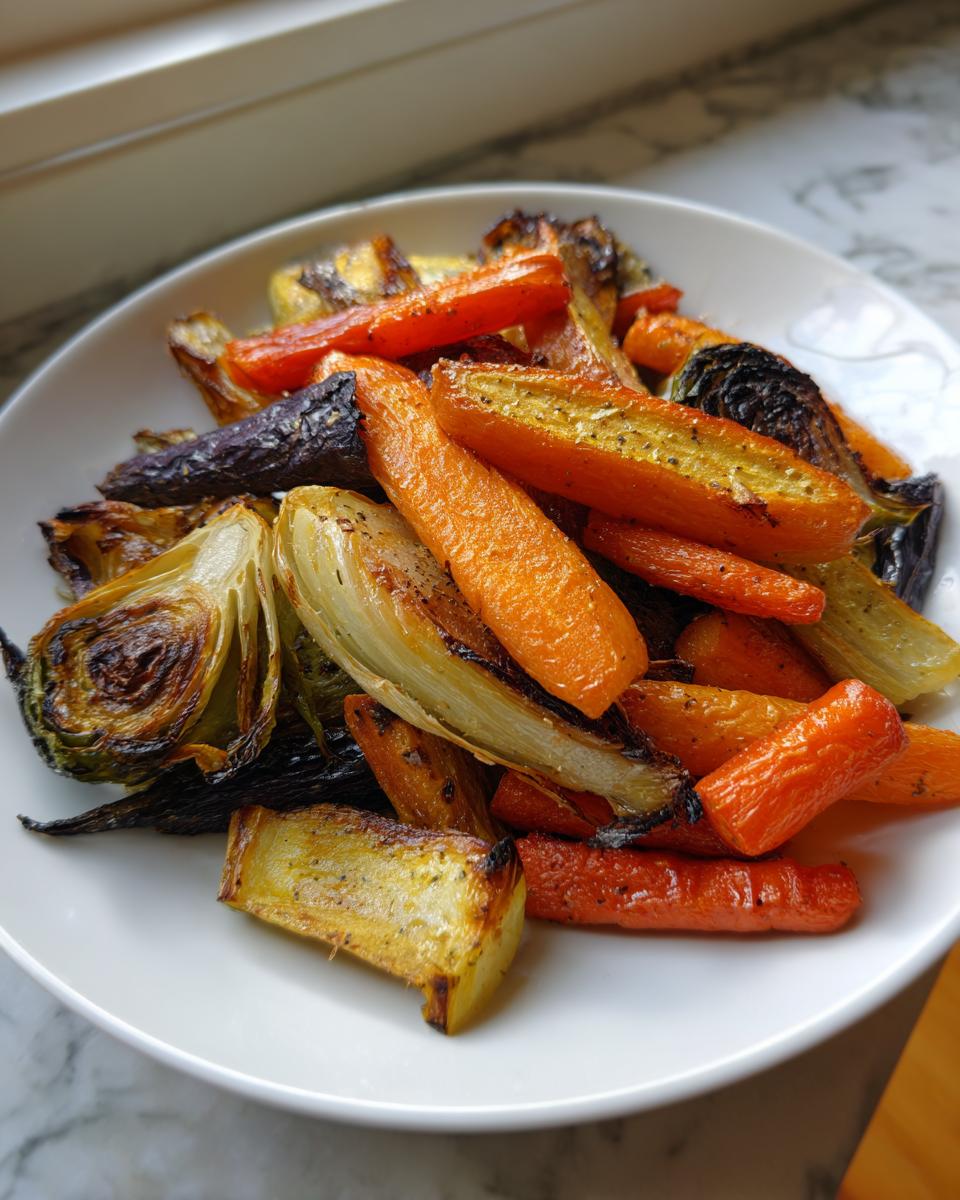
- Oven Method: Spread the leftover veggies back out in a single layer on your baking sheet and bake them at about 375°F for about 5 to 8 minutes. They will crisp right back up!
- Air Fryer Shortcut: If you have one, this is the best tool for revitalization. Toss them in the basket for just 3 or 4 minutes at about 380°F. They come out tasting almost freshly roasted! My guide on the air fryer baked potato covers how that dry circulation works magic.
If you need to use them in a recipe, like mixed into a pasta sauce or an omelet, then the microwave is fine, but for a standalone side dish, stick to dry heat reheating. For more handy kitchen workflow advice, take a look at this resource on reheating and storing!
Frequently Asked Questions About Roasted Vegetables
I know sometimes that even with the best guide, questions pop up when you step into the kitchen alone! These are the things I always got asked when I first started teaching friends how to master savory sides. Getting these little details right makes all the difference between an okay side dish and truly stellar roasted vegetables!
Can I use different oils for roasting vegetables?
Absolutely, you can switch up your oils, but you have to think about the smoke point! Since our recipe calls for a nice, hot 425°F oven, standard extra virgin olive oil will start breaking down and might taste a little funny before your veggies are even halfway cooked. For the absolute best heat tolerance and a neutral flavor, I recommend avocado oil or even refined coconut oil if you like that subtle taste. If you’re just doing a quick roast below 400°F, a good quality olive oil is perfect for flavor, though!
What is the best temperature for roasting vegetables?
If you are aiming for that coveted crunch and beautiful caramelization—you know, the payoff for using the crispy roasted vegetables technique—you must keep the heat high. I usually settle on 425°F, but you should never go below 400°F. When the heat is high, the moisture on the surface of the vegetable evaporates quickly, and the natural sugars start browning right away. If you go lower, like 350°F, they just sit there radiating heat and slowly stewing in their own juices. High heat is your friend here; trust me on this one!
How do I make these vegetables work for my usual breakfast routine?
That is such a great question! While this recipe leans toward dinner/lunch sides, there are easy ways to repurpose them. If you roast up some peppers, onions, and maybe even some chunky sweet potatoes, they make an amazing addition to scrambles or hash the next morning. You can toss them in right at the end when you’re reheating your eggs, or even chop them finely and mix them right into my favorite healthy breakfast ideas for an extra layer of roasted depth. It’s a fantastic way to get so many vegetables in early!
Nutritional Information for This Simple Vegetable Side for Weeknight Meals
Making wholesome food choices doesn’t mean you have to give up flavor, and I love knowing that this simple side dish is fueling my body right! Since we are using whole, fresh ingredients here, you get a fantastic boost of fiber and nutrients without any heavy fillers. This is why I champion making roasted vegetables a staple for those busy evenings when you just need something quick and healthy on the plate.
Keep in mind these numbers are estimates, and they absolutely will change based on what vegetables you choose to toss on the pan that day—if you load up on carrots versus lighter zucchini, the final tally will shift. But generally speaking, this recipe keeps things wonderfully light:
- Serving Size: 1 serving
- Calories: 120
- Fat: 7g (Mostly healthy unsaturated fat!)
- Carbohydrates: 14g
- Fiber: 4g
- Protein: 3g
- Sodium: 350mg
For specific details, make sure you weigh what you cook with, but overall, this is a fantastic, naturally gluten-free and vegan way to add bulk and nutrition to any meal without adding unnecessary complexity or junk! It’s exactly the kind of nourishing food I aim for.
Share Your Perfect Roasted Vegetables Creations
Now that you have my absolute best secrets for turning simple vegetables into a show-stopping, flavorful side dish, I really want to know how it went! Did you finally achieve that beautiful, crisp exterior? I’m always curious to hear which seasonal combination you chose for your first batch—were you a broccoli and bell pepper devotee, or did you go straight for the root vegetables?
Please, take a moment to leave a rating for this recipe right down below! Your feedback helps so many other busy home cooks feel confident putting their oven to work. And if you tried one of the variations or nailed that perfect tender-inside/crispy-outside texture, drop a comment and tell me all about it! I read every single one, and it genuinely brightens my day to know that Pure Plate Path helped you create a simple, nourishing moment at your own dinner table. If you want to read more about my philosophy behind simple, real food, you can check out the About page!
PrintThe Ultimate Guide to Perfectly Roasted Vegetables: Technique for Tender Inside and Crispy Outside
Learn the simple, practical techniques to roast vegetables every time for a tender interior and caramelized, crispy exterior. This guide focuses on method to create flavorful, healthy side dishes for any weeknight meal or gathering.
- Prep Time: 15 min
- Cook Time: 25 min
- Total Time: 40 min
- Yield: 4 servings 1x
- Category: Side Dish
- Method: Oven Roasting
- Cuisine: American
- Diet: Vegan
Ingredients
- 2 lbs mixed seasonal vegetables (e.g., broccoli, carrots, bell peppers, zucchini)
- 3 tablespoons olive oil
- 1 teaspoon kosher salt
- 1/2 teaspoon black pepper
- 1 teaspoon garlic powder
- 1/2 teaspoon dried herbs (e.g., thyme or rosemary)
Instructions
- Preheat your oven to 425 degrees Fahrenheit. High heat is key for crispness.
- Wash and thoroughly dry all vegetables. Excess moisture causes steaming, leading to sogginess.
- Cut vegetables into uniform, bite-sized pieces. Uniformity ensures even cooking.
- Place the cut vegetables in a large bowl. Drizzle with olive oil.
- Sprinkle with salt, pepper, garlic powder, and dried herbs. Toss well until every piece is lightly coated.
- Spread the seasoned vegetables in a single layer on a large, rimmed baking sheet. Do not overcrowd the pan; use two sheets if necessary. Overcrowding traps steam.
- Roast for 20 to 30 minutes, turning the vegetables halfway through the cooking time.
- The vegetables are done when they are fork-tender inside and show deep brown, caramelized edges.
- Serve immediately as a versatile side dish.
Notes
- For extra flavor, add 2 cloves of minced fresh garlic during the last 10 minutes of roasting.
- To prevent sogginess, ensure your oven temperature is high (400°F or above) and avoid using too much oil.
- For seasonal variety, substitute with root vegetables like potatoes or sweet potatoes, increasing the initial roasting time by 10 minutes.
- This method works well for vegan and gluten-free diets.
Nutrition
- Serving Size: 1 serving
- Calories: 120
- Sugar: 5
- Sodium: 350
- Fat: 7
- Saturated Fat: 1
- Unsaturated Fat: 6
- Trans Fat: 0
- Carbohydrates: 14
- Fiber: 4
- Protein: 3
- Cholesterol: 0