

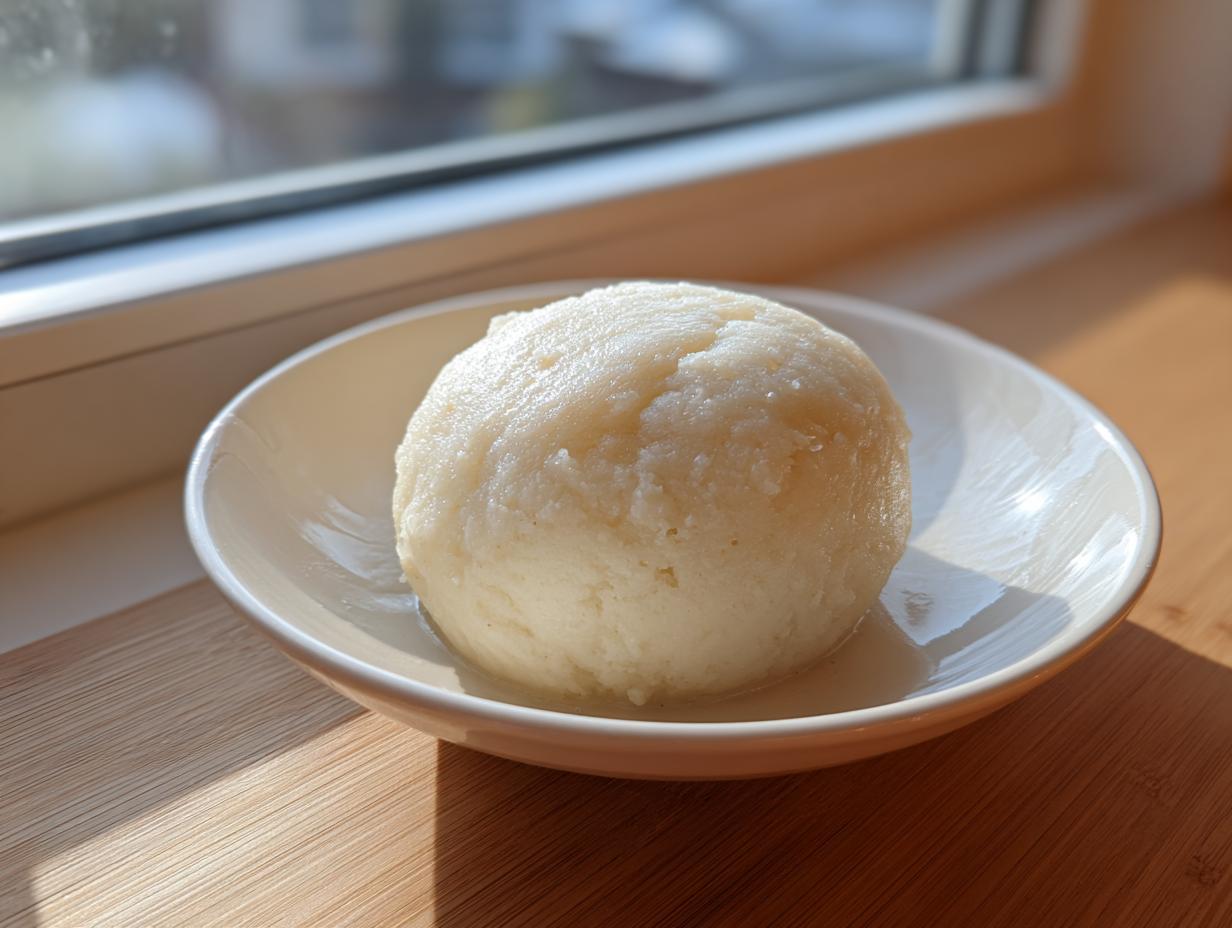
Finding those cornerstone recipes—the ones that feel like a warm hug on a tough day—is what eating well is all about, isn’t it? I know that feeling well, trying to juggle everything in life and still wanting something authentic and deeply satisfying on my plate. That’s exactly why I’m sharing my guide to creating perfect fufu. This isn’t some complicated technique you need hours for; this is my way of making this essential West African staple accessible for anyone, even when life feels hectic. It’s about bringing that comfort, that simple connection, right back to your own kitchen, just like I try to do every day here at Pure Plate Path. You can read more about my journey creating this space and finding balance in my story.
- What is Fufu and Why is This Fufu Recipe Perfect for Beginners?
- Gathering Ingredients for Your Homemade Fufu Dough
- Step-by-Step Instructions: How To Make Fufu
- Expert Tips for Achieving Restaurant-Quality Fufu
- Fufu and Soup Pairings: Serving Suggestions
- Storing Leftovers of Your Homemade Fufu Dough
- Frequently Asked Questions About Making Fufu
- Quick Nutritional Estimates for Your Fufu Serving
- Share Your Fufu Journey with Pure Plate Path
What is Fufu and Why is This Fufu Recipe Perfect for Beginners?
Okay, so if you’ve never made fufu before, you might be wondering what exactly this is. Think of it as one of the most important staples in West African Cuisine. It’s known as ‘Swallow Food’ because you use it to scoop up all the delicious, flavorful sauces from your stews and soups—it’s the ultimate vehicle for flavor!
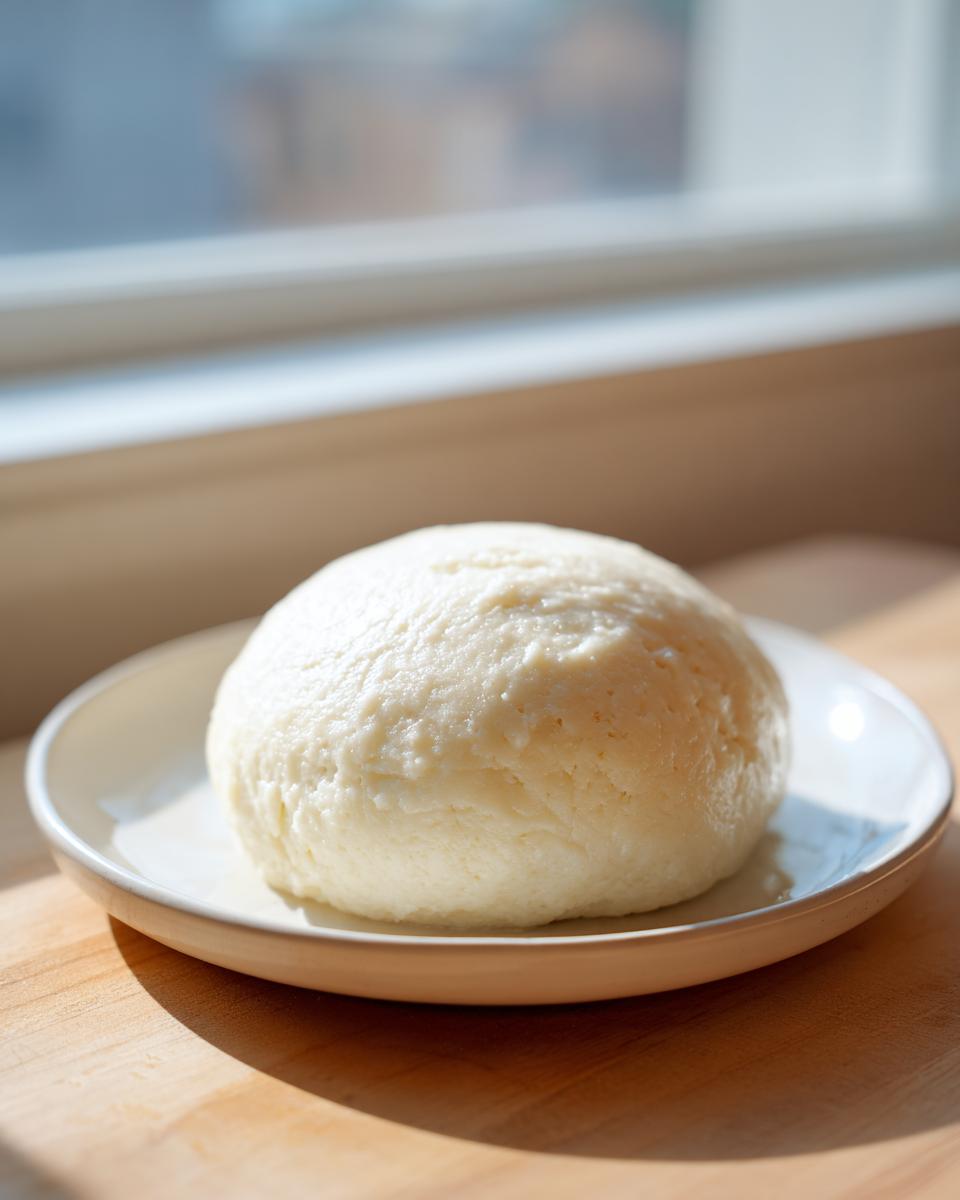
What you’re aiming for is a wonderfully soft, very pliable, some might even say stretchy dough. Now, traditionally, making this delicious Comfort Food Africa involves a serious workout of pounding cooked yams or cassava for ages to get that smooth texture. Honestly, who has the time for that on a Tuesday night?
That’s why I love this specific Fufu Recipe. It’s designed for Beginner African Cooking. We skip the heavy pounding by using flour and a good stir. You get that authentic, satisfying texture in minutes, not hours. You can find more quick dinner inspiration here if you’re looking to speed things up in the kitchen: Quick Easy Weeknight Dinners.
If you’re curious about the actual taste experience before you start, I always tell people to check out this piece on What Does Fufu Taste Like. But trust me, the real magic comes when you pair it with a vibrant soup!
Gathering Ingredients for Your Homemade Fufu Dough
Let’s talk about what you need for this simple fufu! Since we aren’t pounding things all day, we are relying on good quality flour to give us that perfect consistency—that’s where the texture magic happens. Getting this right means smoother handling later on.
- 2 cups Cassava Flour or Yam Flour
- 3 cups Water
- 1/2 teaspoon Salt (optional)
I always tell folks when they are shopping for these Cassava Recipes or Yam Recipes that the quality matters for a successful Homemade Fufu Dough. Choosing a finely milled flour will really help you achieve that soft, professional texture we are aiming for, instead of something grainy.
Flour Base Options for Fufu
You’ve got a couple of fantastic choices here! If you use Cassava Flour, you’ll get a slightly milder, classic flavor that really lets your soup shine through. Yam Flour tends to give the finished fufu recipe a touch more body and a slightly earthier taste. Either one works perfectly for this recipe, so see what’s available to you first!
Step-by-Step Instructions: How To Make Fufu
Alright, get your wooden spoon ready because this is where the magic—and the muscle—happens! I want you to remember this: the success of your fufu relies heavily on constant motion, especially when things start thickening up. We’re turning simple flour and water into that amazing, smooth dough we talked about.
- First, take your water and pop it into a medium saucepan. Get that on the stove over medium heat until it’s just simmering—not a rolling boil, just gently bubbling.
- In a separate bowl, mix your cassava or yam flour with about 1/2 cup of cold water. You need to stir this really well until it’s a perfectly smooth, thin paste.
- Now, carefully pour that flour paste into the simmering water. Stir constantly using your wooden spoon or a strong spatula. It thickens up fast, so don’t stop moving it!
- Next, reduce your heat way down to low. You need to keep stirring and folding this heavy mixture for a solid 8 to 10 minutes. You have to press it against the bottom and sides of the pot. This cooks the starch through and gets you that smooth, pliable texture needed for great West African Cuisine.
- If, after all that stirring, it seems just a little too stiff, don’t panic! Just add one tablespoon of hot water at a time while you keep mixing until you hit that perfect, comfortable consistency.
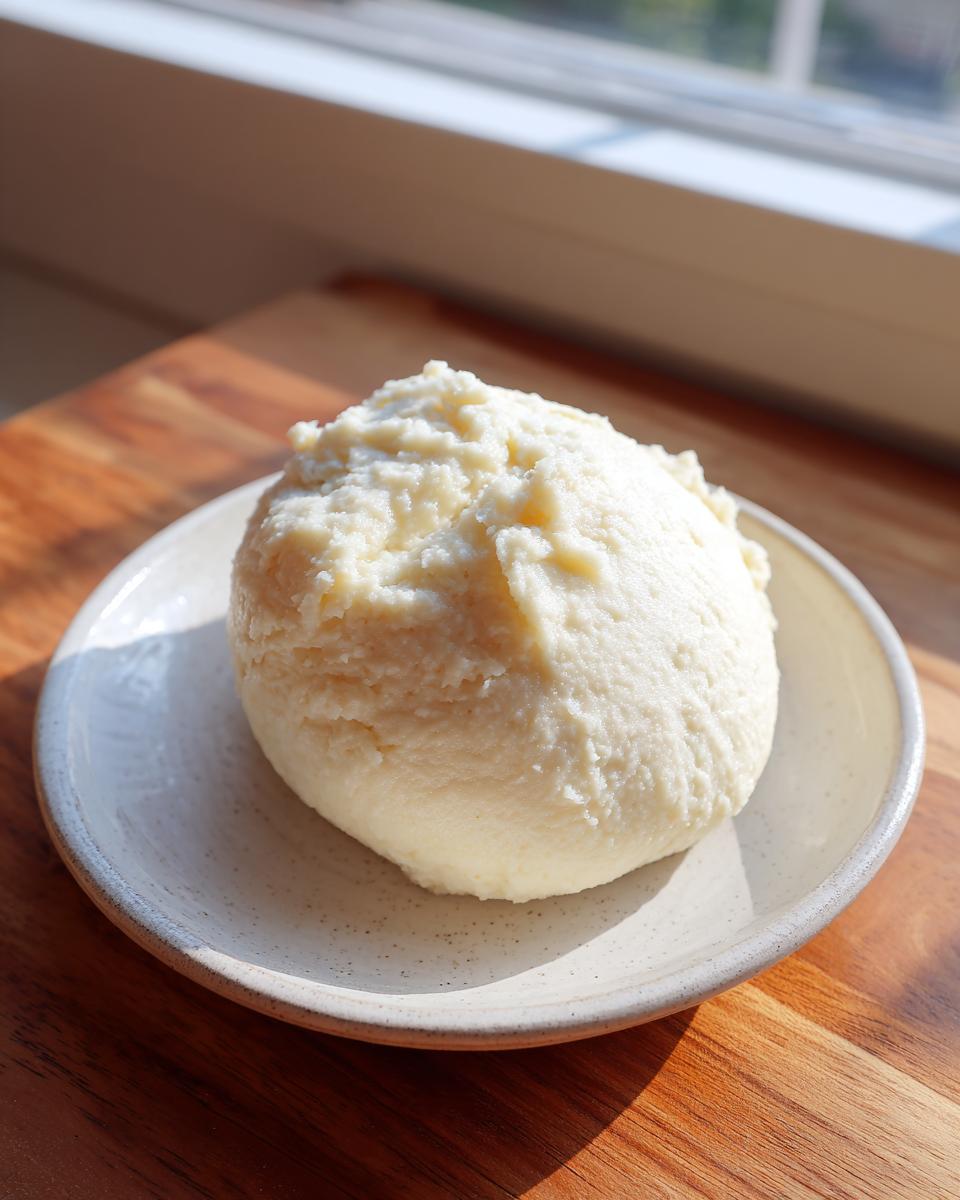
- Once it’s feeling right, take it off the heat. Then, dip your spoon or your hand (damp fingers are your friend here!) in water—this stops the sticky dough from clinging—and shape your fufu into nice, smooth balls. Serve it right away while it’s hot, especially next to some flavorful breakfast ideas if you’re trying something new for brunch, or your favorite stew! You can find more great tips, like those you’d find on Chef Lola’s site, here: How To Make Fufu.
Creating the Smooth Paste to Avoid Lumps in the Fufu
This little step is a make-or-break moment for achieving that gorgeous, stretchy dough. If you dump the dry flour straight into hot water? You get lumps, little hard starch balls that you can never stir out. That’s why we make the cold paste first. The cold water coats the flour particles gently, allowing them to hydrate slowly when they hit the heat, ensuring everything incorporates perfectly into that smooth base.
The Vigorous Stirring Phase for Perfect Fufu Consistency
Once everything is combined on low heat, you have to commit to the stir! This isn’t gentle folding; you need to work that dough against the sides of the pot every few seconds. Think of it like kneading bread, but in a pot. This vigorous motion ensures that every bit of the starch cooks evenly. If you under-stir, your final fufu ball will be grainy or won’t hold its shape well.
Expert Tips for Achieving Restaurant-Quality Fufu
Now that you’ve mastered the basic mixing, let’s talk about those little details that take your fufu from good to absolutely incredible—the kind that really feels like eating Authentic African Dishes. I learned these tricks watching others and through a few messy batches myself, but they make all the difference!
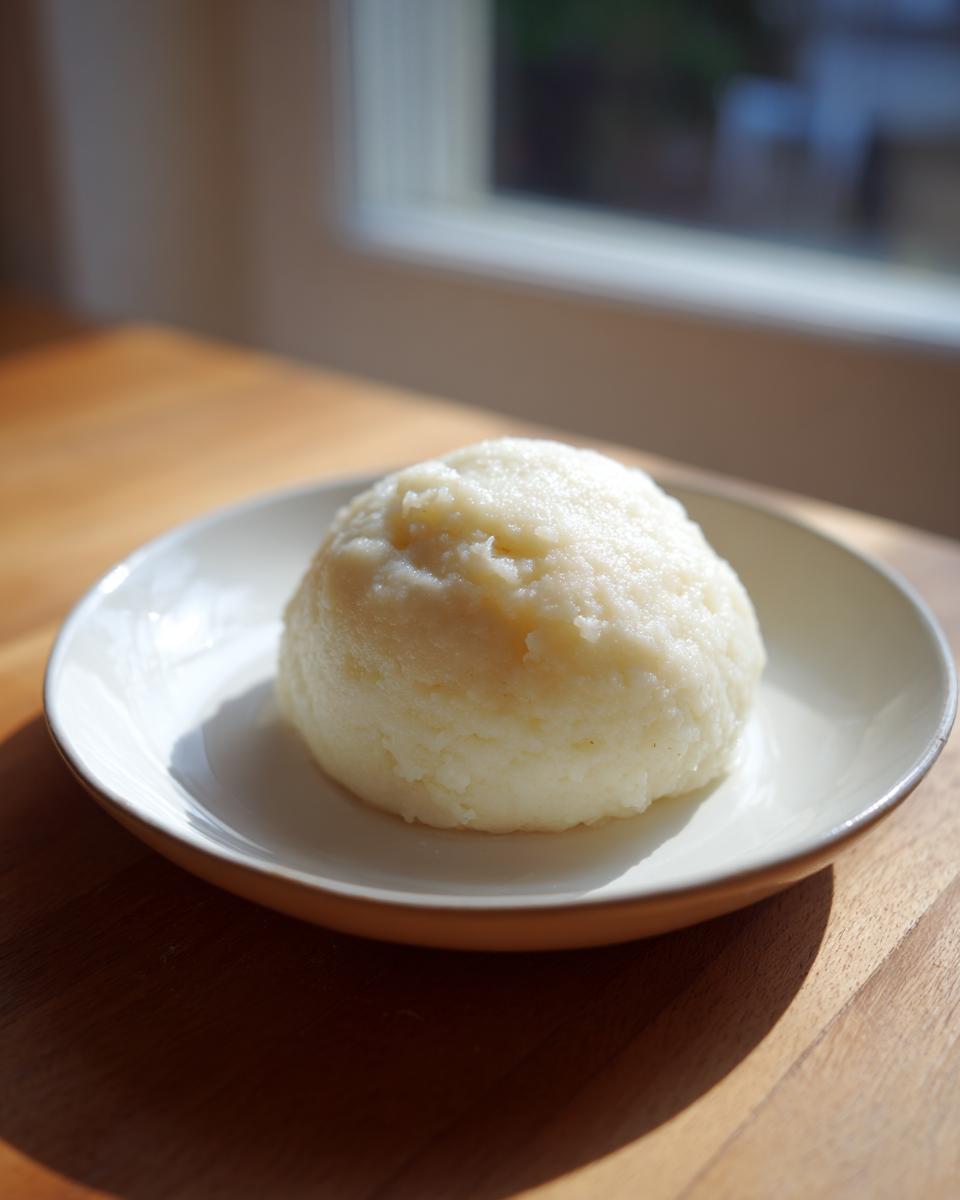
First, Sarah’s rule: always use a sturdy wooden spoon. When that dough gets heavy, using a weaker utensil is just asking for trouble. Also, remember the best way to eat this traditional staple? You take a small piece, make that little dimple with your thumb, and scoop up that delicious soup. It’s such a satisfying ritual! For inspiration on quick dough methods similar to this, you might enjoy reading about Restaurant-Quality Fufu in 15 Minutes.
Here’s an extra tip for shaping: because the dough is hot and sticky, keep a bowl of water right next to your serving platter. Dipping your spoon or hand briefly in the water before forming each ball keeps the surface super smooth and shiny. If you’re looking for simple ways to incorporate this into your week, check out my quick simple lunch recipes later on!
Ingredient Substitutions for Fufu Variations
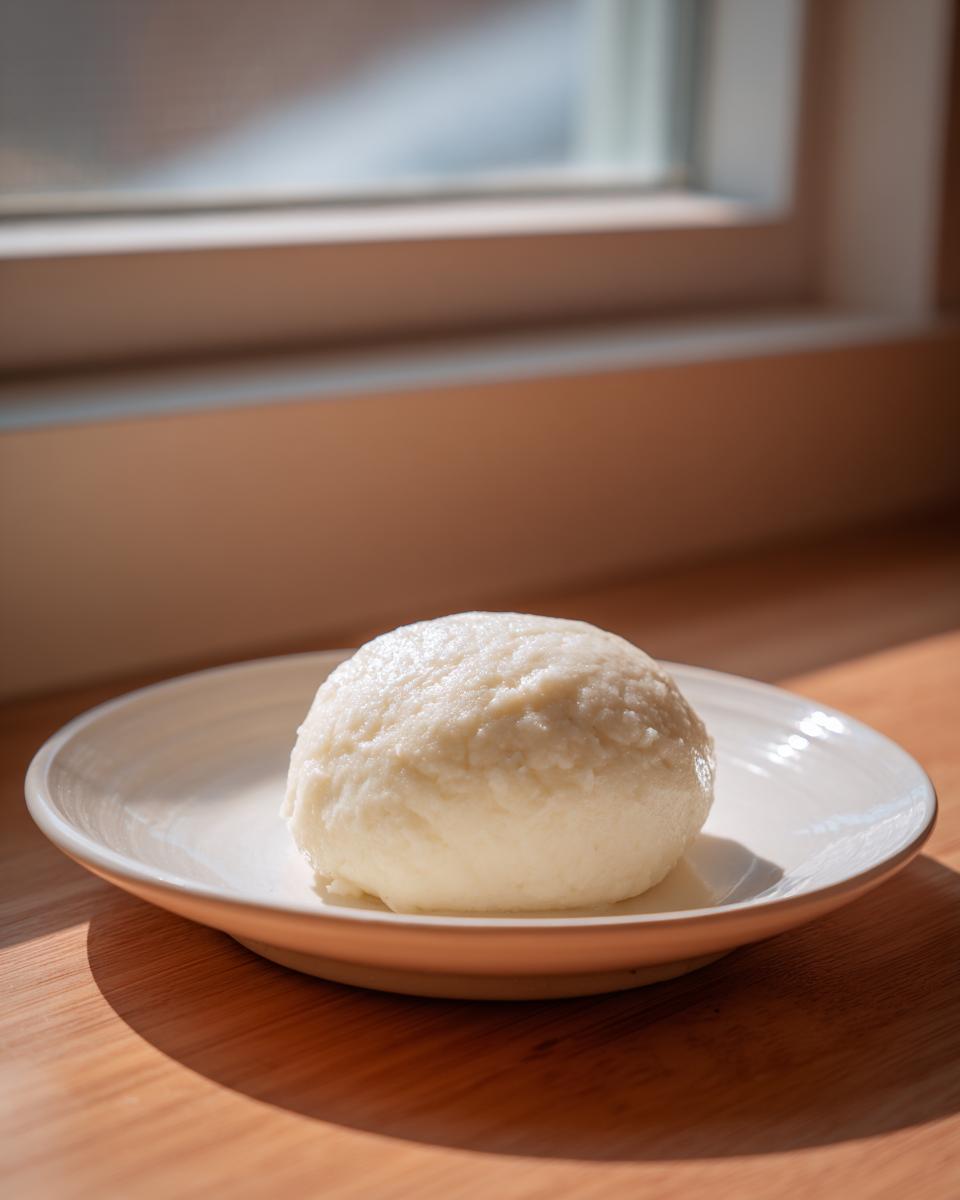
While the cassava or yam is traditional, don’t be afraid to experiment a little if you want to explore more Traditional African Recipes. The recipe notes mention using half plantain flour, and I highly recommend trying that once you’re comfortable with the base! Plantain flour adds a beautiful, subtle sweetness and a slightly different elasticity to the finished product. It’s a wonderful way to customize your staple without losing the integrity of the dish.
Fufu and Soup Pairings: Serving Suggestions
So, you’ve successfully made your stunning, smooth fufu! Now for the fun part: eating it! Remember, this isn’t meant to be eaten alone; it’s the essential partner for rich, flavorful sauces. This is where the real fun of Cultural Cooking comes into play.
The absolute classic pairing, and one you will see mentioned everywhere, is the incredible Egusi Soup accompaniment. The rich, nutty flavor of the melon seeds in that soup is simply divine when scooped up with the soft consistency of the dough. Don’t stop there, though!
This staple works beautifully with almost any kind of hearty sauce. Think flavorful African Stew Sides—light soups, groundnut stews, or vegetable-heavy sauces. The fufu’s mild flavor profile means it never competes, it just perfectly carries the main dish. If you’re feeling adventurous and love beans, you might even explore side dishes like my creamy southern black-eyed peas recipe, though traditionally the soups are the stars here. For an amazing example of the perfect pairing, check out how to make it shine with stew here: West African Egusi Soup with Fufu.
Storing Leftovers of Your Homemade Fufu Dough
One of the best things about making this fufu is that it’s fantastic for Meal Prep African Staples! You don’t have to eat it all in one sitting. However, when it cools down, that lovely, soft dough tends to firm up quite a bit, losing some of that beautiful stretch.
If you’re saving it for the next day, pop the remaining fufu balls into an airtight container and store them in the fridge. When you’re ready to reheat, this is the secret: don’t just microwave it plain!
To bring back that soft texture, place the cooled fufu in a microwave-safe bowl and add just a splash—maybe a teaspoon—of hot water over it. Cover it tightly and microwave in short bursts, checking and stirring between each burst. That little bit of steam is key to rehydrating the starch and restoring that delightful, pliable quality to your stretchy dough.
Frequently Asked Questions About Making Fufu
It’s totally normal to have questions when you venture into a new area of cooking, especially when you’re trying Traditional African Recipes for the first time! I’ve gathered the things people ask me most often about getting this perfect fufu dough just right. If I missed something important, please reach out via my contact page—I love learning what you need!
Is this Fufu recipe naturally gluten-free?
That’s a wonderful question, especially for those with sensitivities! Yes, absolutely. When you stick to traditional Cassava Recipes or Yam Recipes using pure cassava or yam flour, this fufu recipe is naturally gluten-free. It’s a fantastic option when you’re looking for something starchy and comforting that fits into that category. So, you can consider this a wonderful Gluten Free African Bread alternative!
Can I use instant fufu mix instead of flour for this fufu recipe?
You can, but I highly recommend using the plain flour we discussed! Instant mixes are designed to skip the vigorous stirring part—they often already have a pre-gelatinized starch. While they are faster, you often get a smoother final texture right away, but sometimes you lose a little bit of that deep flavor you develop when you work the starch manually. For the most authentic flavor in your African Food experience, go for the straight flour if you can!
For more insights and to see what others are saying about preparation methods, sometimes checking out established culinary reference sites like this one on Fufu preparation can be helpful, but stick to the whole flour method for the best results here!
Quick Nutritional Estimates for Your Fufu Serving
I always encourage folks to focus on what tastes good and makes them feel nourished, but I know some of you are watching the numbers closely! Remember, since this is such a simple dish—really just starch and water—the nutrition profile is straightforward. These figures are just good estimates based on standard serving sizes for the fufu recipe we made, so treat them as a general guide rather than a strict count.
If you’re looking for ways to enhance your meals with healthier additions, I share lots of ideas for lighter fare, like my favorite healthy desserts, that balance out the starchier staples like this!
Here is a quick snapshot of what’s generally in one of those lovely, smooth balls of fufu:
- Serving Size: 1 ball
- Calories: Approximately 220
- Carbohydrates: Around 50g
- Protein: About 2g
- Fat: Very low, around 0.2g
As you can see, this is primarily an energy source, making it the perfect foundation for pairing with protein-packed and vegetable-loaded African Stew Sides. It’s simple, clean fuel for your day!
Share Your Fufu Journey with Pure Plate Path
Wow! You made fufu! Seriously, take a moment and give yourself a pat on the back. Tackling a new piece of West African Cuisine, especially one as central as this, is a big accomplishment, and I’m so happy you used my guide to help you on your way. That’s what Pure Plate Path is all about—building confidence one simple, delicious meal at a time.
Now that you’ve dug in, I truly want to hear about it! Did you achieve that perfect stretchy dough? What amazing soup did you serve alongside your fufu? Don’t be shy—jump down to the comments below and leave a rating for the recipe. Your feedback helps me know what works for real people balancing busy lives, just like me!
And please, if you snapped a picture of your beautiful serving of fufu with your soup, share it on social media and tag us! Seeing the community connect over these accessible, nourishing recipes? That’s the best feeling ever. It proves we don’t have to sacrifice flavor or culture when time is short. I cherish seeing your creations!
Remember, finding your culinary path means connecting with others. If you ever have questions about privacy or how we handle information on the site, you can glance over our privacy policy, but more importantly, know that we value your time and your trust above all else here.
PrintEasy & Authentic West African Fufu for Beginners (Cassava or Yam Base)

Learn how to make soft, stretchy Fufu dough at home. This beginner-friendly recipe uses simple steps to create the essential West African staple that pairs perfectly with Egusi Soup or hearty stews.
- Prep Time: 5 min
- Cook Time: 15 min
- Total Time: 20 min
- Yield: 4 servings 1x
- Category: Side Dish
- Method: Stovetop Cooking
- Cuisine: West African Cuisine
- Diet: Vegetarian
Ingredients
- 2 cups Cassava Flour or Yam Flour
- 3 cups Water
- 1/2 teaspoon Salt (optional)
Instructions
- Place the water in a medium saucepan over medium heat. Bring the water to a simmer.
- In a separate bowl, mix the cassava or yam flour with about 1/2 cup of cold water to form a smooth, thin paste. This prevents lumps.
- Slowly pour the flour paste into the simmering water while stirring constantly with a wooden spoon or spatula.
- Continue stirring vigorously as the mixture thickens rapidly into a heavy dough.
- Reduce the heat to low. Continue to stir and fold the dough for about 8 to 10 minutes, pressing it against the sides of the pot to cook it through and achieve a smooth, pliable texture.
- If the dough is too stiff, add a tablespoon of hot water at a time while continuing to mix until you reach your desired consistency.
- Remove from heat. Using a wet spoon or your hands (dipped in water to prevent sticking), shape the fufu into smooth, round balls.
- Serve immediately as the perfect vehicle for your favorite African Stew or Egusi Soup.
Notes
- For a slightly different flavor, you can substitute half of the cassava flour with plantain flour.
- To achieve the best texture, use a sturdy wooden spoon for mixing, as the dough becomes quite heavy.
- Fufu is traditionally eaten by tearing off a small piece, making an indentation with your thumb, and scooping up the accompanying soup or stew.
Nutrition
- Serving Size: 1 ball
- Calories: 220
- Sugar: 0.5
- Sodium: 10
- Fat: 0.2
- Saturated Fat: 0.1
- Unsaturated Fat: 0.1
- Trans Fat: 0
- Carbohydrates: 50
- Fiber: 2
- Protein: 2
- Cholesterol: 0