
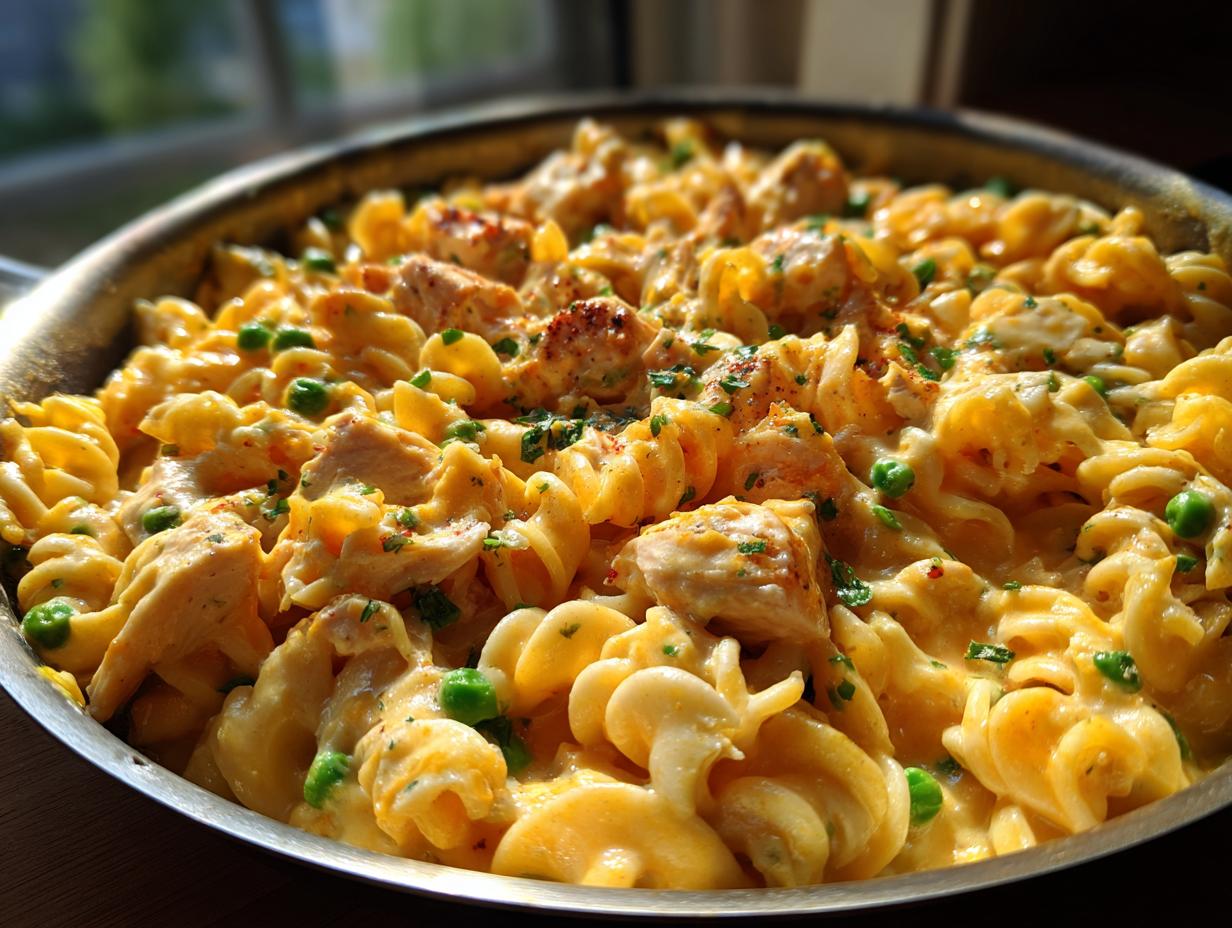
Oh, Mondays. Who else feels that familiar dread creep in when you realize you have absolutely nothing planned for dinner and the clock is ticking toward that 6 PM witching hour? I’ve been there more times than I care to admit, letting convenience drive my choices and then feeling completely run down afterward. That’s why, here at Pure Plate Path, my promise to you—and to myself—is to always champion genuinely practical, nourishing home cooking that fits right into your demanding schedule. When that stressful dinner moment hits, you need a lifesaver, and I have one ready: the ultimate easy, comforting **tuna pasta** skillet. Seriously, this dish is magic for busy weeknights. If you’re looking for more reliable options for those frantic evenings, check out my collection of quick and easy weeknight dinners.
- Why This Creamy One-Pot Tuna Pasta Skillet is Your New Weeknight Hero
- Gathering Your Ingredients for Easy Tuna Pasta
- Step-by-Step Instructions for Creamy Tuna Pasta Skillet
- Tips for Success with Your Tuna Pasta
- Ingredient Substitutions and Variations
- Storing and Reheating Your Tuna Pasta Comfort Food
- Frequently Asked Questions About This Dish
- Nutritional Snapshot of This Tuna Pasta
- Share Your Quick Weeknight Dinner Creations
Why This Creamy One-Pot Tuna Pasta Skillet is Your New Weeknight Hero
When you need dinner on the table fast—like really fast—this creamy skillet comes to the rescue. It ticks every box for that perfect, fuss-free meal we all crave after a long day. It’s ultimate comfort food without the commitment!
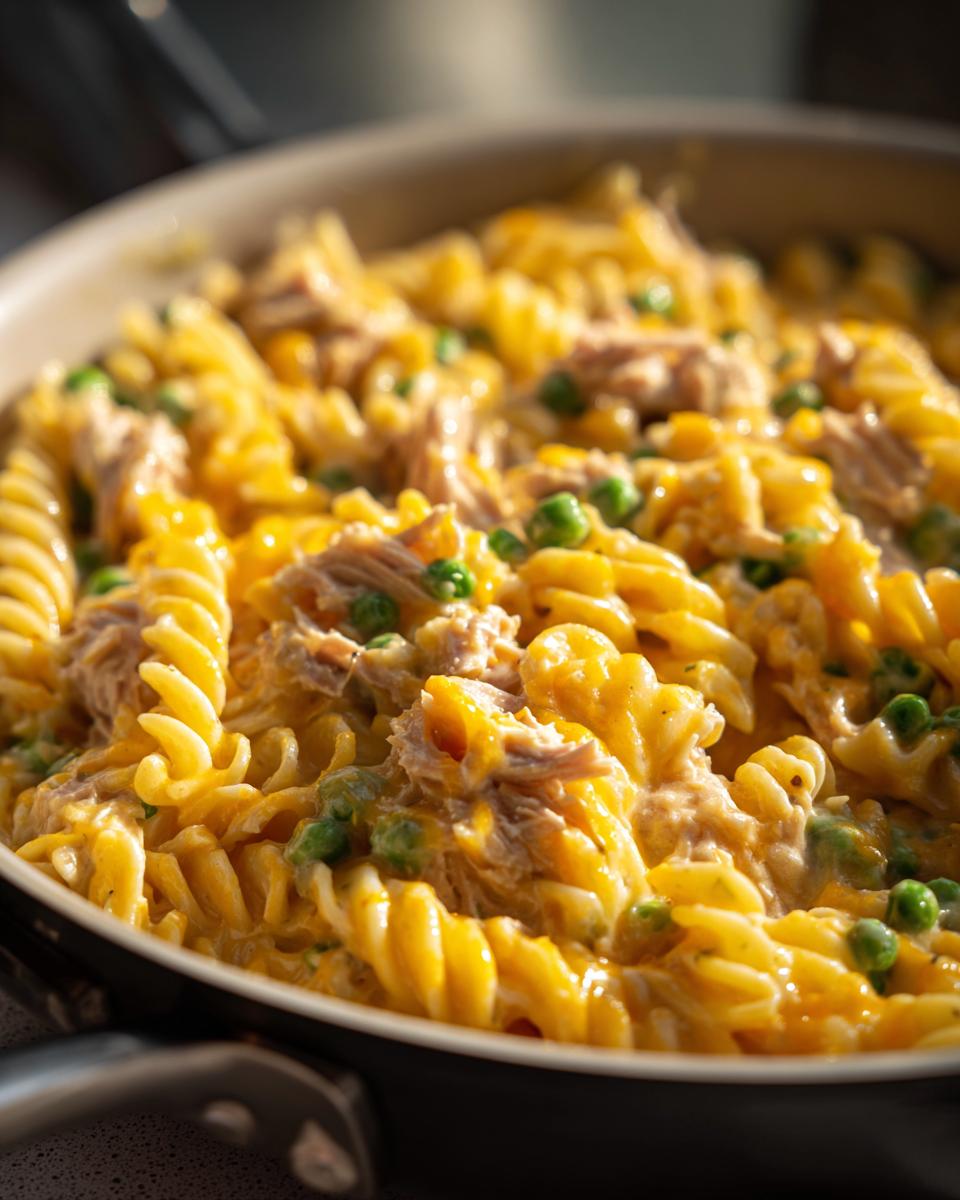
- It tastes like it took hours of simmering, but it didn’t! This is the quintessential one pot tuna pasta dinner success story.
- It satisfies that yearning for something rich and cheesy.
Minimal Cleanup: The One-Pan Advantage
Honestly, this is my favorite part. We cook the pasta, we build the sauce, we melt the cheese—all in the same skillet. That means instead of a sink full of dishes, you’ve got one pot and maybe a cutting board to worry about. Hello, free evening!
Ready in Under 30 Minutes
If you’re dreaming of a 15 minute pasta dinner but need something a little richer, this recipe fits perfectly. It’s totally ready in under 30 minutes, meaning you can get dinner served before anyone starts asking for takeout menus. This is a true **pantry staple pasta** meal, designed for busy lives.
Gathering Your Ingredients for Easy Tuna Pasta
Okay, friend, now that you know how fast this is, let’s talk about what you need. With this **tuna pasta**, we are relying heavily on things you likely already have tucked away, making it the perfect **budget friendly pasta dinner**. I always keep the main components stocked! If you enjoy meals built around pantry staples, you should absolutely check out my recipe for canned chicken and rice recipe.
Pantry Staples for This Tuna Pasta Recipe
For the base, grab 12 ounces of your favorite sturdy pasta—I love rotini or penne because they catch all that lovely sauce. You’ll need just a drizzle of olive oil, 2 cloves of garlic minced up nice and fine, and 1/4 cup of flour. For that creamy backbone, stock up on 2 cups of broth (chicken or veggie, your call!) and 1 cup of milk. The seasonings are simple: Dijon mustard, onion powder, salt, and pepper. Easy, right?
Dairy and Produce Notes
Here’s where the comfort really comes in! You’ll want 1 1/2 cups of shredded cheddar cheese—make sure it’s already shredded or you shred it yourself; pre-bagged stuff can sometimes make the sauce gritty, which we absolutely cannot have in these **canned tuna recipes**. We use 1 cup of frozen peas; toss them in straight from the freezer! And for the tuna, grab two 5-ounce cans packed in water, and make sure you drain them *really* well before they hit the pan.
Step-by-Step Instructions for Creamy Tuna Pasta Skillet
Alright, ditch that second pot! We are making this **one pot tuna pasta dinner** right in the same place you cooked the noodles. It’s an organizational dream, and if you want more skillet inspiration, my chicken sausage pasta skillet recipe is another winner!
Cooking the Pasta and Building the Roux Base
First things first, cook your 12 ounces of pasta until it’s just shy of done—that’s al dente territory. The secret here is to drain it, but make sure you scoop out about 1/2 cup of that starchy cooking water before draining the rest. Set the pasta aside. Now, back into that same pot goes 1 tablespoon of olive oil over medium heat. Toss in your minced garlic for just about 30 seconds until you can smell it—don’t let it burn! Then, whisk in that 1/4 cup of flour and let it cook for a full minute. That’s your roux; it’s what gives the sauce its body.
Creating the Velvety Tuna Pasta Sauce
This part requires a little attention, but trust me, you want to avoid lumps! Slowly start pouring in your 2 cups of broth while whisking constantly. This is how we build a smooth foundation here at the Path. Once the broth is in, whisk in the milk, Dijon, onion powder, salt, and pepper. Turn the heat up just until it starts to gently simmer, and keep stirring until you see it thicken up nicely, which usually takes about 3 to 5 minutes. It should coat the back of a spoon lightly.
Finishing the One Pot Tuna Pasta Dinner
Now we bring the flavor home! Reduce your heat down to low—this is important so the cheese doesn’t get grainy. Stir in your two cans of well-drained tuna, those frozen peas, and your 1 1/2 cups of shredded cheddar. Let that melt until everything is happy and creamy. Finally, toss that reserved cooked pasta back into the skillet. Stir gently to coat it all. If it looks too stiff, just splash in a little bit of that reserved pasta water until it flows perfectly. Heat it through for a final minute and serve!
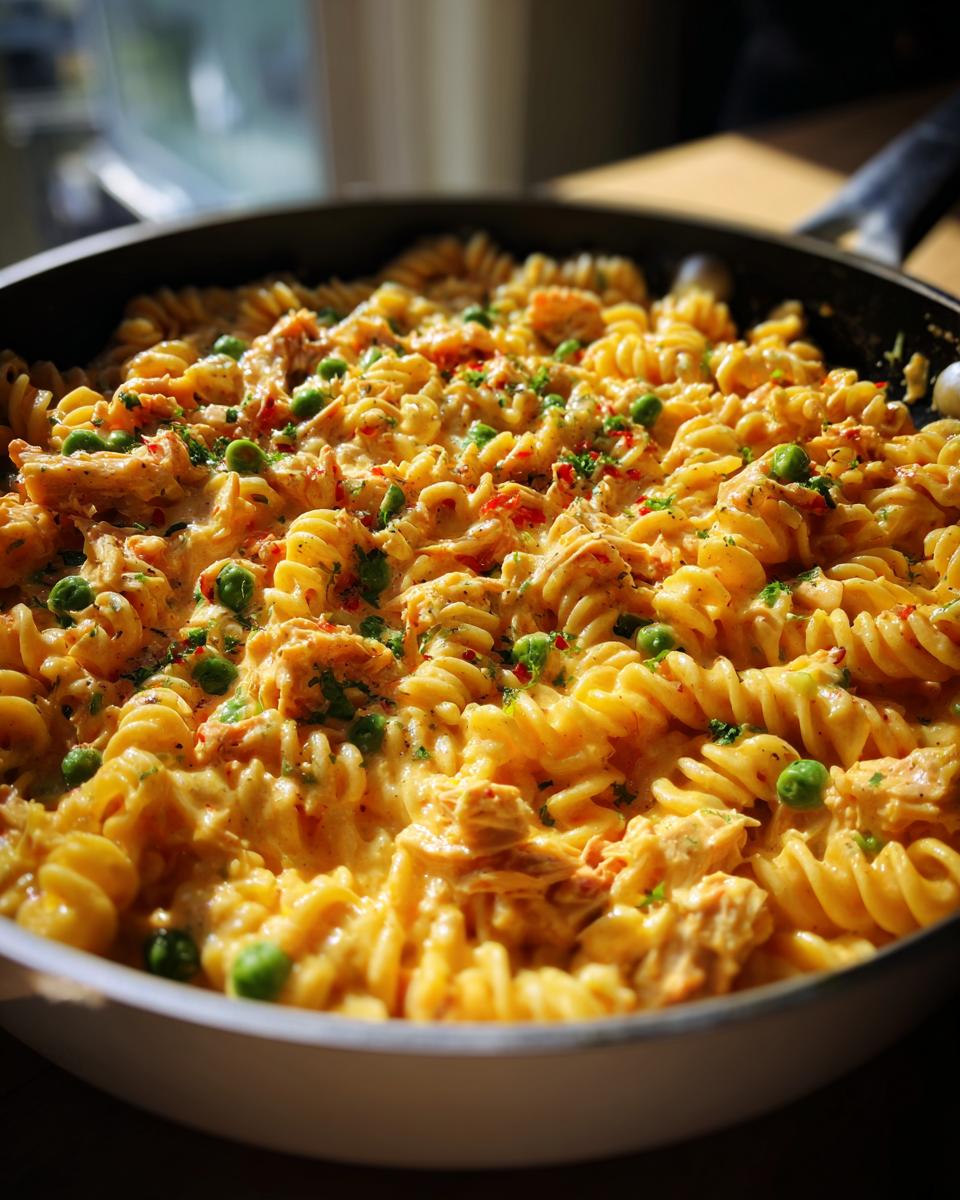
Tips for Success with Your Tuna Pasta
Even though this recipe is built for speed, taking just a moment to think about technique makes a huge difference between good and truly fantastic. We want that perfect, velvety mouthfeel that screams **creamy tuna pasta skillet**, not a grainy mess! If you want to see how I handle other creamy sauces, take a peek at my homemade alfredo sauce recipe; the cheese principles are very similar.
Achieving the Perfect Creamy Texture
Remember when we made the sauce using flour and broth? That roux is your best friend. Once you add the milk and it simmers, it thickens beautifully. But here is the cardinal rule: once you add that gorgeous shredded cheddar, you must keep the heat very low. Never let the cheese sauce boil once it’s melted! Boiling messes with the cheese proteins and turns your silky sauce grainy super fast. Just warm it through until melted. That’s it!
Making This a True Family Friendly Tuna Meal
If you’ve got little ones who are sensitive to texture—and who doesn’t in a **family friendly tuna meal** situation?—I have a quick trick. Before you stir in the tuna and peas near the end, scoop out about half a cup of the plain, thickened sauce base into a separate small bowl. You can blend that small portion with an immersion blender until it’s totally smooth. Then, stir that super-smooth part back into the main skillet. It secretly thickens the whole dish just a bit more without any chunkiness!
Ingredient Substitutions and Variations
One of the best things about using **pantry staple pasta** recipes is how easily they adapt to what you have on hand. Cooking should feel flexible, not restrictive. I always say, if you’re missing one thing, look through the fridge and see what swaps you can make! If you’re looking for ways to use other pantry finds, you might love my quick and easy canned salmon salad for a different night.
Dairy and Liquid Swaps
If you want to take this creamy skillet from good to unbelievably decadent—and I mean, truly indulgent—swap out half of the milk for heavy cream. It just melts into the sauce so smoothly. Another thing I often add right at the end, along with the tuna, is about 1 teaspoon of fresh lemon juice. It cuts through the richness and wakes everything up!
Adding Extra Vegetables
We added peas because they’re easy, but feel free to bulk this up! If you want a harder vegetable, finely dice some carrots or celery and sauté them in the oil for a few minutes *before* you add the garlic. Mushrooms are also amazing here; slice them thin and cook them down until they release their moisture. They absorb that creamy sauce like little flavor sponges.
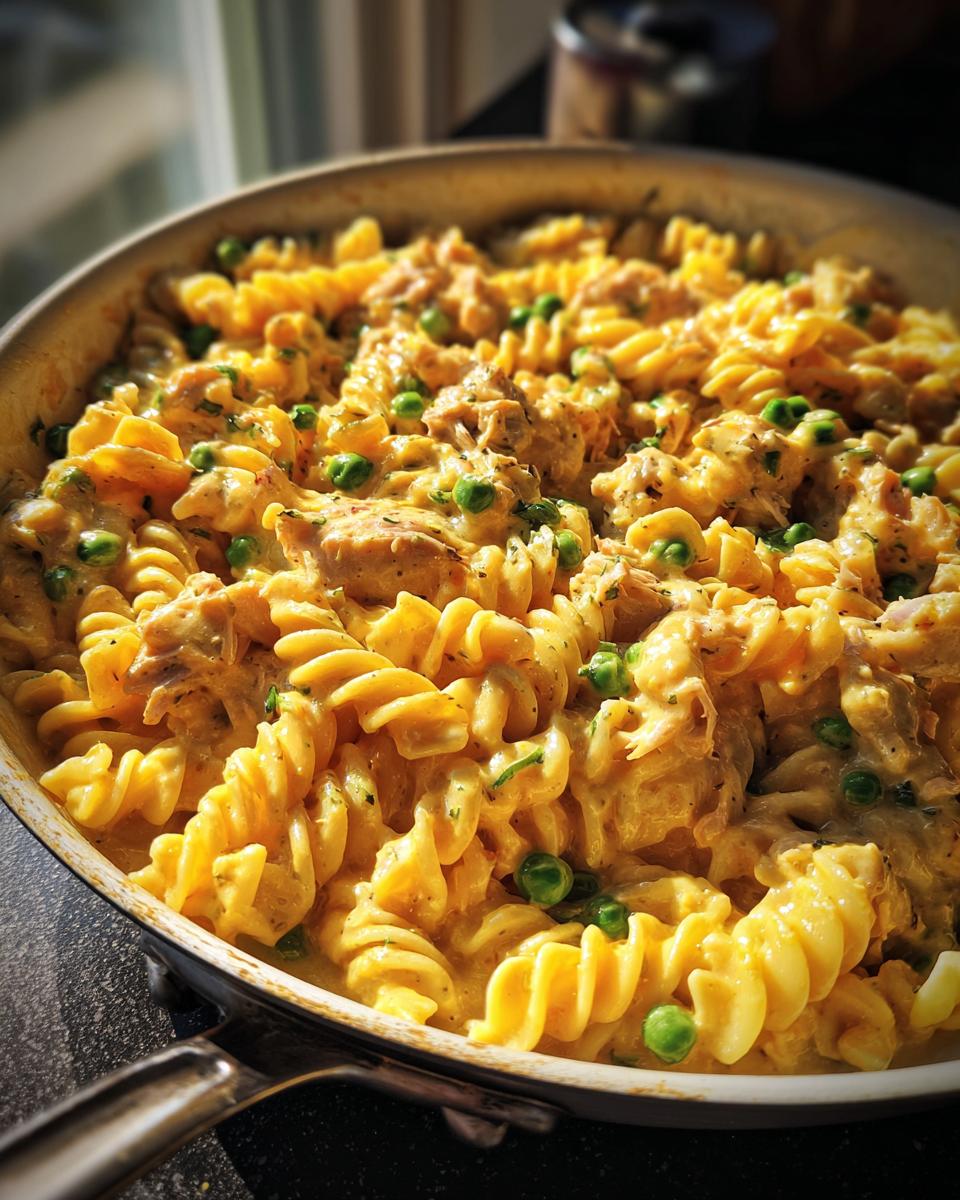
Storing and Reheating Your Tuna Pasta Comfort Food
If you happen to have any leftovers of this glorious **tuna pasta**—which is rare in my house, I’ll tell you that much!—storing it properly ensures it’s still a fantastic **comfort food pasta idea** the next day. Store it in a shallow, airtight container in the fridge. Because this sauce is naturally thick thanks to the flour and cheese, it’s going to seize up and look like a solid block when it chills. Don’t panic; that’s totally normal for creamy skillet meals!
When you’re ready to reheat, you absolutely must introduce some liquid back into the equation. If you just microwave it plain, it’s going to be dry and sticky. I recommend mixing in a splash of extra milk or even just water for every portion you reheat. Stir it well as it warms up on the microwave, maybe in 30-second bursts. If you’re looking for other great ways to use up leftovers or enjoy soft comfort dishes, my old-fashioned creamy rice pudding recipe is another simple favorite.
If you want to refresh the flavor profile when you’re eating leftovers, I often stir in just a tiny squeeze of fresh lemon juice or a dash of black pepper right before serving. It brings back that bright flavor that can sometimes dull slightly in the fridge. It tastes just as comforting the second or third time around!
Frequently Asked Questions About This Dish
I know that when you’re cooking on the fly, you have questions! That’s totally fine. It’s better to ask than to have a kitchen mishap, right? This Creamy Tuna Pasta Skillet is super forgiving, but these little tips might just make the difference between a quick dinner and a *perfect* quick dinner. I pull these thoughts from all the emails I get, and I’m linking to my easy creamy Mexican street corn dip recipe if you’re still craving more cheesy goodness!
Can I use tuna packed in oil instead of water for this tuna pasta?
You absolutely can! We call for tuna packed in water because it’s easier to control the liquid content, but using tuna packed in oil is totally fine for these **canned tuna recipes**. If you use oil-packed, you must drain it extra carefully. Seriously, press down on that lid in the sink! The oil version adds a little more richness to the final product, but if you aren’t careful, your sauce might end up a little too slick rather than creamy. Just be mindful of the extra fat!
How do I make this recipe similar to a homemade tuna helper alternative?
Oh, I totally get the nostalgia factor! If you’re looking to replicate that classic boxed flavor profile in this **homemade tuna helper alternative**, I have two suggestions. First, toss in about half a teaspoon of dried mustard powder when you add your other seasonings—it gives it that tiny, signature tang. Second, instead of just cheddar, try adding about 1 ounce of cream cheese when you melt the cheddar in. It’ll make that sauce unbelievably velvety, just like the kind you remember!
What is the best pasta shape for this creamy skillet?
That’s actually a critical question for skillet meals! You want a pasta shape that can scoop up and cling to that rich sauce without letting it all slip through to the bottom of the bowl. I always recommend shapes with nooks and crannies, like rotini, penne, or even medium shells. If you use long strands like spaghetti, you’ll end up with saucy noodles and pools of sauce, which isn’t what we want for this comforting dish.
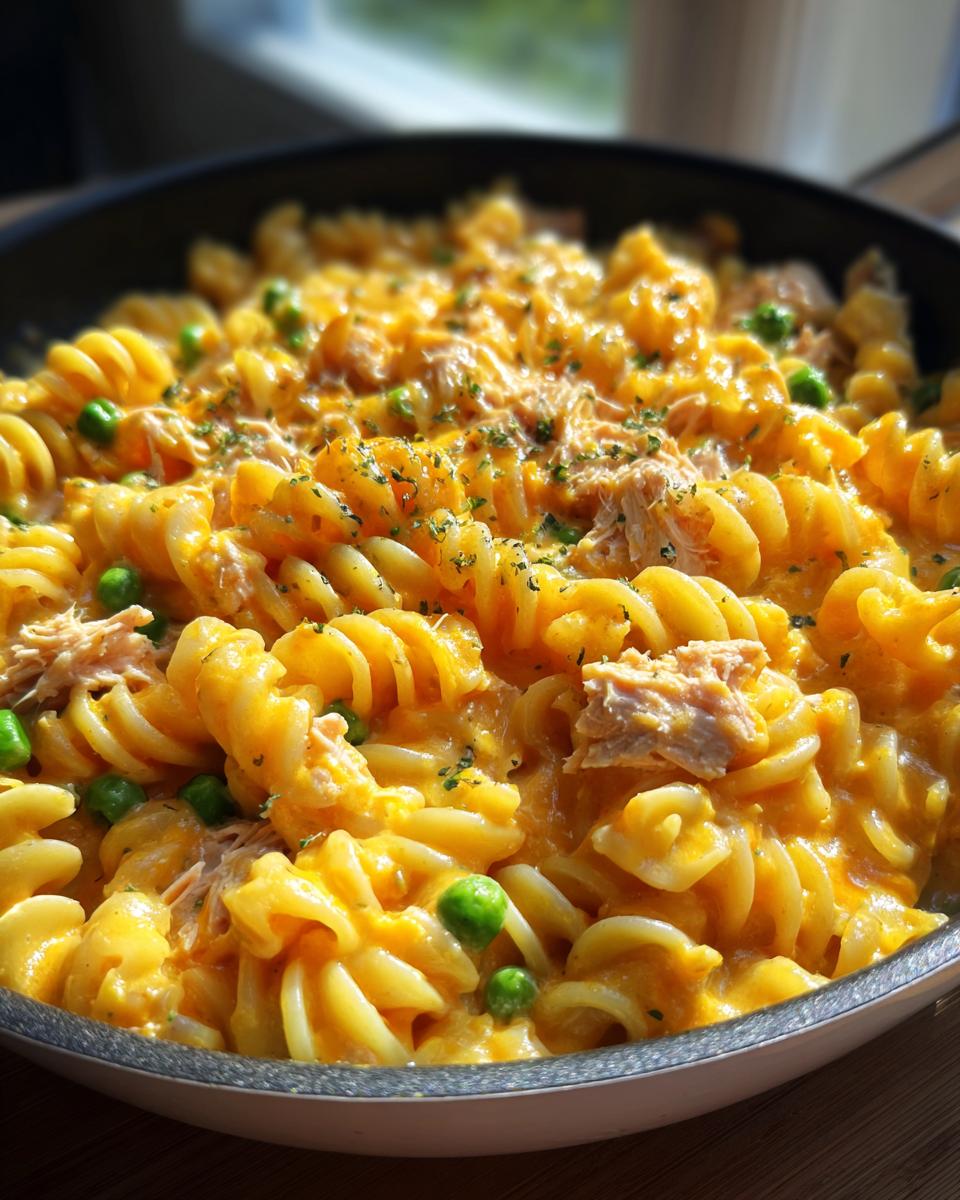
Nutritional Snapshot of This Tuna Pasta
Now, I’m not usually one to obsess over numbers—I’m more about how the food makes you *feel*—but since we’re all tracking things differently, I wanted to give you the rundown on this **tuna pasta**. Remember, these figures are just estimates based on average ingredient values when divided into 4 servings. Think of this as helpful guidance, not a rigid rule! If you’re looking to explore other simple flavor profiles, you might enjoy the insights in my easy creamy garlic sauce recipe.
Here’s what one serving of this skillet dinner generally looks like:
- Calories: 550
- Protein: 35g
- Carbohydrates: 65g
- Fat: 18g
- Saturated Fat: 10g
- Fiber: 4g
Share Your Quick Weeknight Dinner Creations
Okay, that’s it! You’ve got the blueprint for the fastest, most comforting **easy weeknight dinner pasta** you can make with what’s hiding in your pantry. Now comes the best part: I really want to hear about it!
Did you nail that creamy texture? Did the kids actually eat the peas without arguing? When you get a chance to whip up this **quick tuna pasta recipe**, please come back here and leave a rating and a quick comment below. Your feedback is how we all build trust here on the Path; knowing what works—and what substitutions you loved—helps me create even better, more practical recipes for you down the road.
If you snapped a picture of your beautiful, steaming skillet, tag me on social media! I absolutely love seeing these meals come to life in your busy home. If you have any lingering questions you didn’t see answered above, this is the perfect place to ask, or you can always drop me a line directly through the Contact page. Happy cooking, friend—you earned a delicious, easy dinner tonight!
PrintOne-Pan Creamy Tuna Pasta Skillet Dinner
Make weeknight dinners simple with this one-pan creamy tuna pasta. This recipe uses pantry staples to create a comforting, rich meal with minimal cleanup, ready in under 30 minutes.
- Prep Time: 10 min
- Cook Time: 20 min
- Total Time: 30 min
- Yield: 4 servings 1x
- Category: Dinner
- Method: Stovetop
- Cuisine: American
- Diet: Vegetarian
Ingredients
- 12 ounces pasta (like rotini or penne)
- 1 tablespoon olive oil
- 2 cloves garlic, minced
- 1/4 cup all-purpose flour
- 2 cups chicken or vegetable broth
- 1 cup milk (whole or 2%)
- 1 teaspoon Dijon mustard
- 1/2 teaspoon onion powder
- 1/4 teaspoon black pepper
- 1/4 teaspoon salt
- 2 cans (5 ounces each) tuna in water, drained well
- 1 cup frozen peas
- 1 1/2 cups shredded cheddar cheese
- 1 tablespoon fresh parsley, chopped (for garnish)
Instructions
- Cook the pasta according to package directions until al dente. Drain the pasta, reserving about 1/2 cup of the cooking water. Set the cooked pasta aside.
- In the same large skillet or pot used to cook the pasta, heat the olive oil over medium heat. Add the minced garlic and cook for 30 seconds until fragrant.
- Whisk in the flour until combined, cooking for 1 minute. Slowly pour in the broth while whisking constantly to prevent lumps.
- Stir in the milk, Dijon mustard, onion powder, pepper, and salt. Bring the mixture to a simmer, stirring until the sauce thickens slightly, about 3 to 5 minutes.
- Reduce the heat to low. Stir in the drained tuna, frozen peas, and shredded cheddar cheese until the cheese is fully melted and the sauce is smooth.
- Add the cooked, drained pasta back into the skillet. Stir gently to coat everything evenly with the creamy sauce. If the sauce seems too thick, add a splash of the reserved pasta water until you reach your desired consistency.
- Heat through for 1 to 2 minutes. Taste and adjust seasoning if needed.
- Serve immediately, garnished with fresh parsley.
Notes
- For a richer flavor, substitute half of the milk with heavy cream.
- You can add other vegetables like chopped carrots or corn along with the peas.
- If you prefer a tangier flavor, add 1 teaspoon of lemon juice when you add the tuna.
Nutrition
- Serving Size: 1 serving
- Calories: 550
- Sugar: 5
- Sodium: 650
- Fat: 18
- Saturated Fat: 10
- Unsaturated Fat: 8
- Trans Fat: 0
- Carbohydrates: 65
- Fiber: 4
- Protein: 35
- Cholesterol: 55