

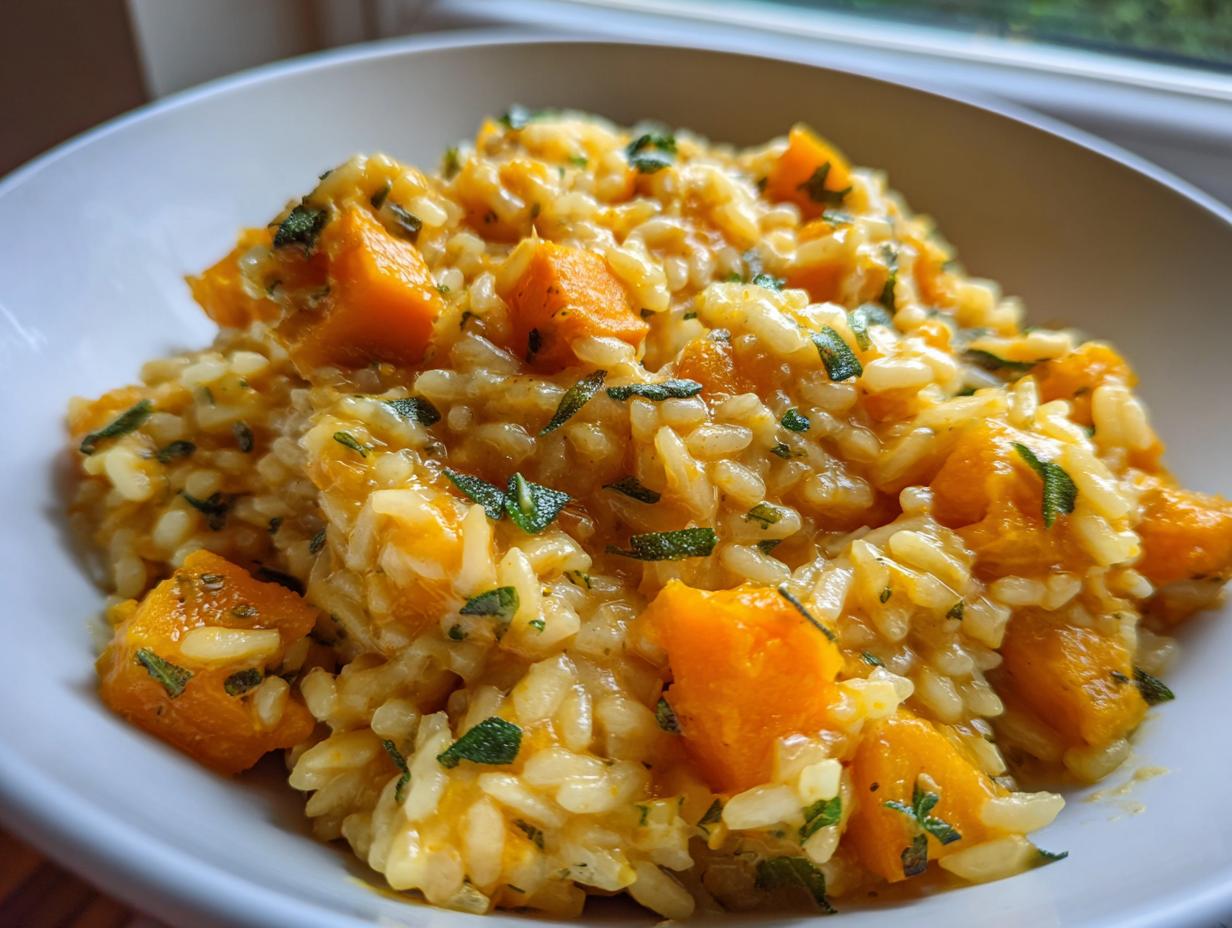
When the air turns crisp and the leaves start decorating the yard, my kitchen instantly shifts gears. Forget those light summer meals; it’s time for heart, soul, and serious warmth on the plate. That’s why I’m absolutely thrilled to share what’s become my go-to comfort food: this incredibly creamy **butternut squash risotto**. I know risotto sounds fussy, but trust me, it’s not! When Sarah Miller started Pure Plate Path, it was precisely because she wanted to prove that beautiful, nourishing food doesn’t need complicated steps under pressure. After years of feeling drained by takeout during busy times, finding the joy in simple, homemade meals like this one changed everything for her. This recipe embodies that philosophy: take gorgeous seasonal ingredients and apply straightforward techniques to get jaw-dropping results. We are focusing on texture here—that velvety, liquid-gold finish that makes risotto famous. You’re going to love how simple it is to achieve that gourmet result right on your stovetop!

- Why This Butternut Squash Risotto Recipe Stands Out
- Essential Ingredients for Your Butternut Squash Risotto
- Mastering the Butternut Squash Preparation for Butternut Squash Risotto
- Step-by-Step How to Make Butternut Squash Risotto
- Tips for Success in Your Homemade Risotto Guide
- Seasonal Pairings and Variations for Butternut Squash Risotto
- Storing and Reheating Your Butternut Squash Risotto
- Frequently Asked Questions About Butternut Squash Risotto
- Share Your Autumn Comfort Food Recipes Experience
Why This Butternut Squash Risotto Recipe Stands Out
I know risotto strikes fear into the hearts of many busy cooks, but I promise this version is designed for real life. It’s incredibly rewarding! This isn’t just another squash dish; it’s an experience that tastes gourmet but relies on simple, trusting techniques. We aim for incredible smoothness every time.
- Perfect Texture: We use roasting *and* mashing to ensure the squash adds flavor *and* body without making the finish soupy.
- Seasonal Flavor: The pairing of sweet squash with earthy sage is pure autumn magic.
- Manageable Steps: Though it requires stirring, the process is straightforward, making it achievable even on a weeknight. Quick dinners don’t always have to sacrifice flavor!
Key Details: Prep Time, Cook Time, and Difficulty
Let’s talk logistics so you can plan your evening. This **butternut squash risotto** keeps things honest:
Prep Time: 20 minutes (Mostly chopping!)
Cook Time: 45 minutes
Total Time: 65 minutes
Difficulty Level: Easy to Medium. The technique is easy, but the stirring requires your consistent attention—but it’s worth every minute!
Essential Ingredients for Your Butternut Squash Risotto
To make this **butternut squash risotto** truly shine, ingredient quality matters. Don’t just grab anything! We are building layers of flavor here, so follow the prep notes for the squash, onion, and garlic precisely. The list might look a little long, but everything plays a vital role in that gorgeous color and creamy consistency we’re chasing. Oh, and this is critical: You absolutely must keep your vegetable broth simmering gently in a separate saucepan nearby. Adding cold broth into hot rice is the quickest way to ruin a good risotto! It shocks the rice and stops that starch release in its tracks.
- 1 medium butternut squash (about 2 lbs), peeled, seeded, and cubed
- 2 tablespoons olive oil, divided
- 1 small yellow onion, finely chopped
- 2 cloves garlic, minced
- 1 1/2 cups Arborio rice
- 1/2 cup dry white wine (like Pinot Grigio)
- 5 cups low-sodium vegetable broth, kept warm
- 1/2 cup grated Parmesan cheese, plus more for serving
- 2 tablespoons unsalted butter
- 1/4 cup chopped fresh sage leaves
- 1/4 cup toasted pecans or walnuts, roughly chopped (optional)
- Salt and black pepper to taste
Ingredient Notes and Substitutions
Let’s talk about a few star players here. You need true Arborio rice recipe quality for this; the high starch content is why we get that luscious texture. When it comes to cheese, I highly recommend a good quality, freshly grated Parmesan—the stuff in the green shaker just won’t emulsify correctly! If you don’t have white wine, use a splash of dry sherry or even just a little extra broth mixed with a squeeze of lemon juice to keep the acidity sharp. And please, toast those nuts! It only takes five minutes, but it makes the pecans or walnuts so much crunchier and deeply flavorful.
Mastering the Butternut Squash Preparation for Butternut Squash Risotto
Before we even touch that pot on the stove, we need to deal with our star vegetable! I know some recipes just tell you to boil or simmer the squash, but please, don’t do that! If you want that wonderful, deep sweetness that kicks this **butternut squash risotto** up to gourmet status, you absolutely have to roast it. Roasting caramelizes the natural sugars, giving you that gorgeous color and a much more intense flavor than just boiling it ever could.
Preheat your oven to 400°F (200°C). Toss those lovely cubes with just a tiny bit of olive oil, salt, and pepper, and spread them on a baking sheet. They only need about 20 to 25 minutes until they are perfectly tender and you see those yummy brown spots—that’s flavor development happening right there! Check out my guide on getting perfect roasted vegetables for extra tips on getting that perfect caramelization.
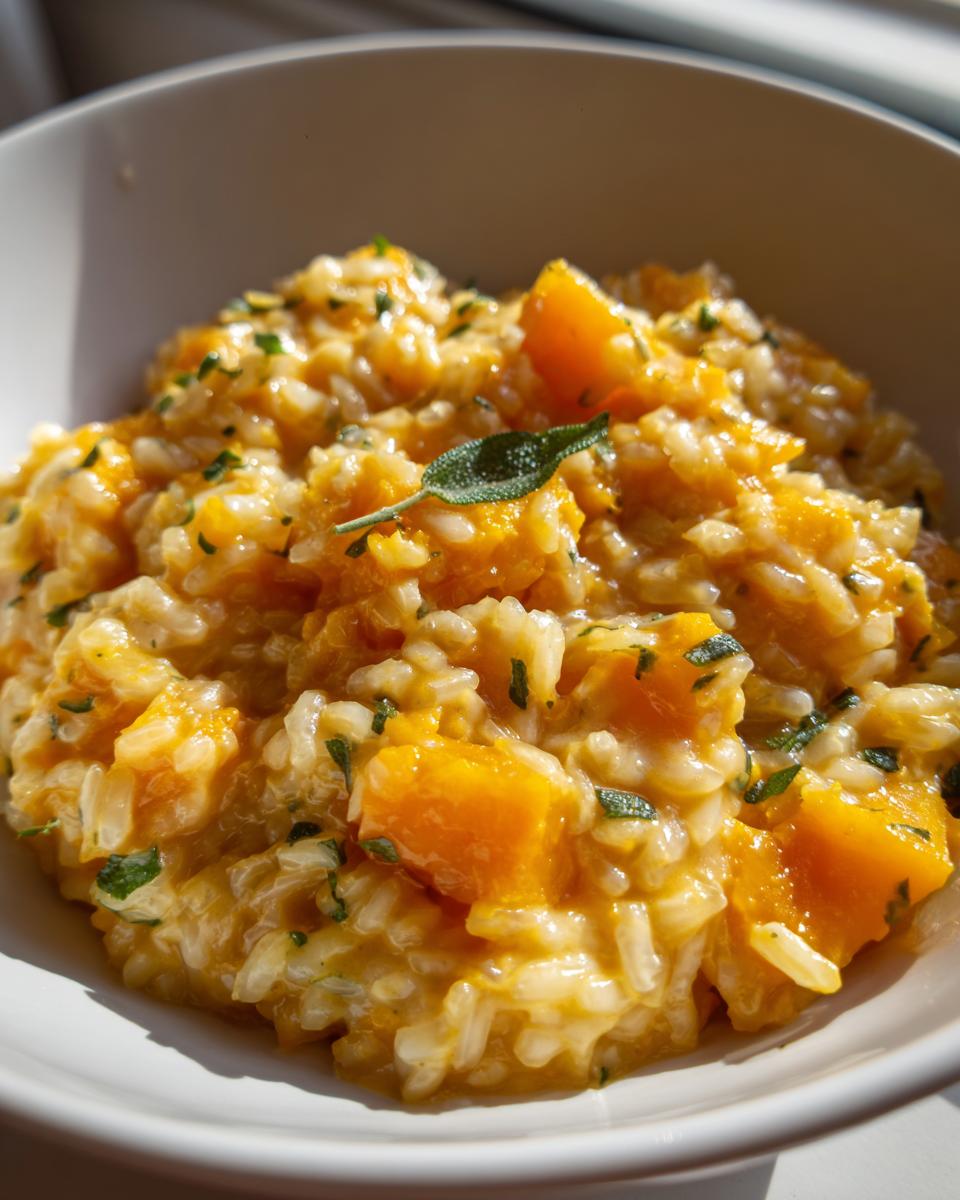
Now here’s a little trick I learned from Sarah’s early experiments: texture contrast! Once the squash is roasted, scoop out about one cup of those tender cubes and leave them whole or roughly chopped. This cup gets stirred in right at the end for little bursts of soft squash throughout the risotto. Then, take the rest of the roasted squash and mash it deeply with a fork until it’s totally smooth. That mash is what we stir in earlier—it dissolves right into the rice, making the entire dish naturally thicker and creamier!
Step-by-Step How to Make Butternut Squash Risotto
Okay, the squash is roasted and waiting, the broth is hot, and we’re ready for the real magic to happen on the stovetop. This phase is where we transform humble rice into that luxurious dish everyone dreams about. It’s all about timing and, honestly, a little elbow grease!
First up, grab your big, heavy pot—the Dutch oven is my favorite here. Heat up 1 tablespoon of olive oil over medium heat, and gently cook your finely chopped onion until it’s soft, which takes about five minutes. Toss in the minced garlic for just one minute until you can really smell it—be careful not to burn it, or the whole dish tastes bitter!
Next comes the secret to that perfect texture—toasting the rice! Add your Arborio rice directly to the pot. You must keep stirring it for two full minutes. I’m talking constantly! The goal here, as detailed in any good homemade risotto guide, is to make the edges of those little rice grains turn translucent. This toasting step seals the outside just a bit so they cook evenly.
Once toasted, pour in that half cup of white wine—yes, the alcohol cooks off, but it adds essential acidity! Stir until that wine is totally gone, absorbed right into the rice. This is called deglazing, and it’s a huge flavor boost. Now, start adding that warm broth one ladleful at a time. And here’s the golden rule for any risotto cooking techniques lesson: Stir, stir, stir until that liquid is almost gone, *then* add the next ladle. It takes about 18 to 20 minutes of this gentle, constant stirring to release all that amazing starch, creating that natural creaminess.
When the rice is almost *al dente*—tender but with a tiny, stubborn bite in the very center—it’s time to bring in the squash! Fold in your smooth mashed squash and those reserved, softer cubes. Add one last splash of broth if it feels too stiff. Remember, risotto should flow gently like a wave on the shore, not sit like a stiff mound.
The Critical Mantecaura Step for Creamy Butternut Squash Risotto
This final push is everything for achieving that signature melt-in-your-mouth consistency. Take the whole pot *off the heat*. Seriously. We’re done cooking the starches now; we’re just finishing the texture. Vigorously stir in your cold butter, the Parmesan cheese, and that fragrant fresh sage. Stirring hard and fast off the heat causes all those fats and starches to emulsify beautifully. It turns that liquidy rice from just “saucy” into truly luscious, velvety **butternut squash risotto**. Taste it here and adjust your salt and pepper. Serve immediately! If you wait, it’ll set up too hard.
Tips for Success in Your Homemade Risotto Guide
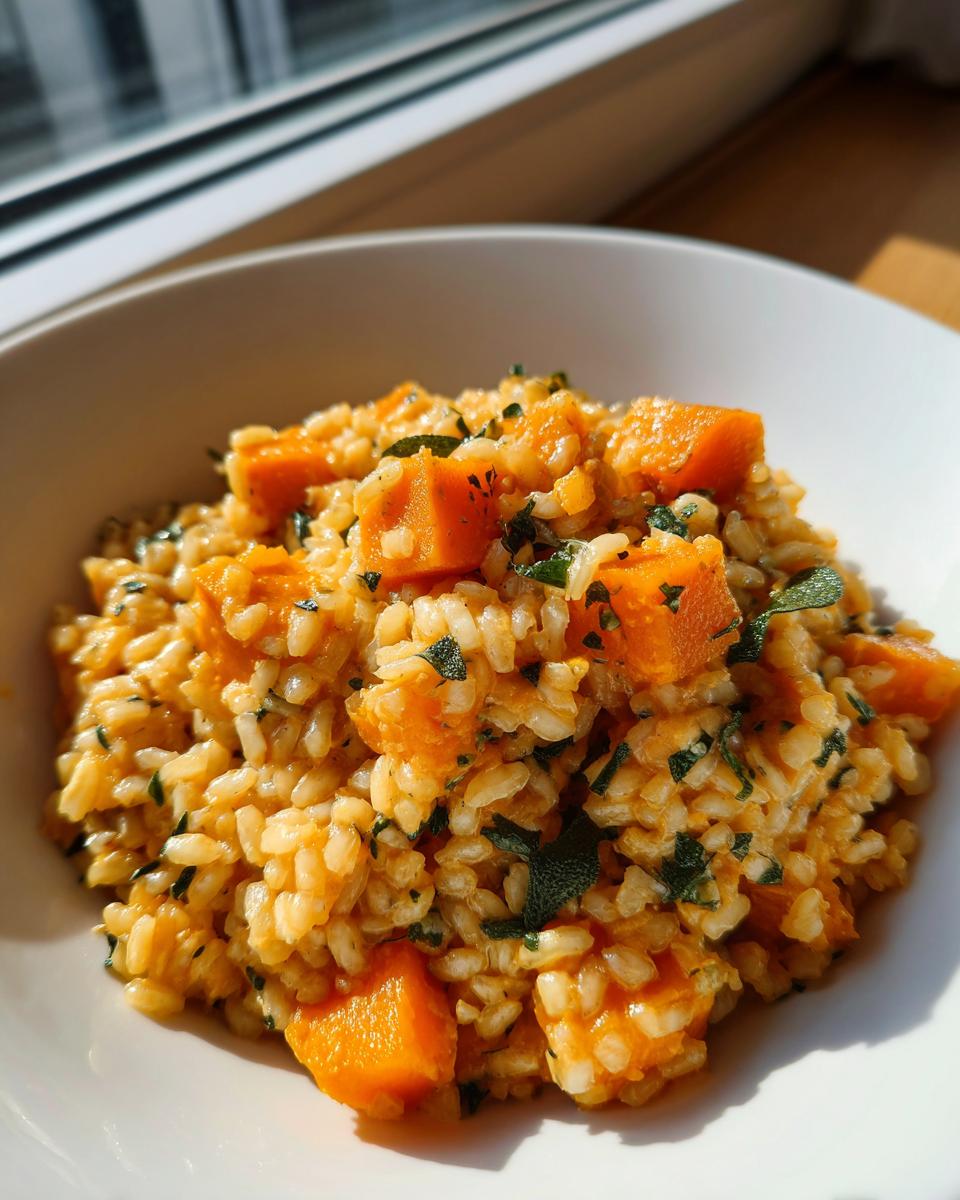
I want you to have success on your first try! Making this **homemade risotto guide** feel less intimidating means sticking to a couple of non-negotiable habits that Sarah learned the hard way. These aren’t complicated steps; they just require paying attention—which is exactly what cooking should be about!
First, please remember the broth rule. I mentioned it before, but I can’t stress it enough: Keep that vegetable broth simmering hot, always! If you pour cold broth into your rice, you instantly stop the cooking and starch-releasing process. It’s like hitting a tiny, flavorful speed bump, and it messes up your creamy timeline. You need that gentle, steady heat exchange.
Second, stirring is non-negotiable. I know you want to walk away to check your phone or tidy up, but resist! You need to stir gently but consistently. This constant agitation is what encourages the rice grains to shed their exterior starch. That released starch is the actual creamy sauce! A good, constant stir prevents sticking, but it doesn’t have to be aggressive—just steady motion is key to achieving an easy creamy risotto.
Finally, taste as you go, especially toward the end. You are aiming for *al dente*—that perfect texture where the grain is cooked through but has that little bit of resistance when you bite it. Don’t overcook it trying to get every drop of liquid absorbed, because once we hit that final Mantecaura stage, the texture firms up perfectly. These small habits separate a gloppy mess from a truly luxurious dinner!
Seasonal Pairings and Variations for Butternut Squash Risotto
Once you nail the method for this perfect **butternut squash risotto**, you can start playing around with flavor additions! That’s the fun part of embracing true sage and squash pairing—it signals that the best of the **Fall harvest recipes** are here. Since this recipe focuses on vegetarian comfort, it’s naturally delicious right off the heat, creamy and earthy. If you love squash this much, you might also want to check out my recipe for an easy squash soup recipe—40 minutes for another winner!
But if you’re hosting a big gathering and want to add a little something extra, I have a few suggestions. For meat-eaters, crispy prosciutto or some diced pancetta rendered separately provide an amazing salty, chewy textural pop against the softness of the risotto. Just drain off most of that fat before adding it in right at the end with the cheese!
If you want a huge flavor upgrade without meat, try browning your butter! Just before you add the butter and Parmesan in that final step, melt the butter gently in a small pan until the solids turn nutty brown and smell amazing. Pour that brown butter right into the risotto instead of the plain butter. It’s a whole new layer of complexity!
Serving Suggestions for a Seasonal Italian Dinner
Since this is pretty rich and filling, we want to keep the sides light and bright. This is meant to be the star of your **seasonal Italian dinner**, not an accompaniment! I usually pair this with something acidic or green to cut through the richness of the cheese and squash. A simple arugula salad tossed with just lemon juice, olive oil, and maybe a shaving of apple works miracles. Or, honestly, a thick slice of crusty sourdough bread is perfect just for scooping up any remaining creamy bits left on the plate after you finish!
Storing and Reheating Your Butternut Squash Risotto
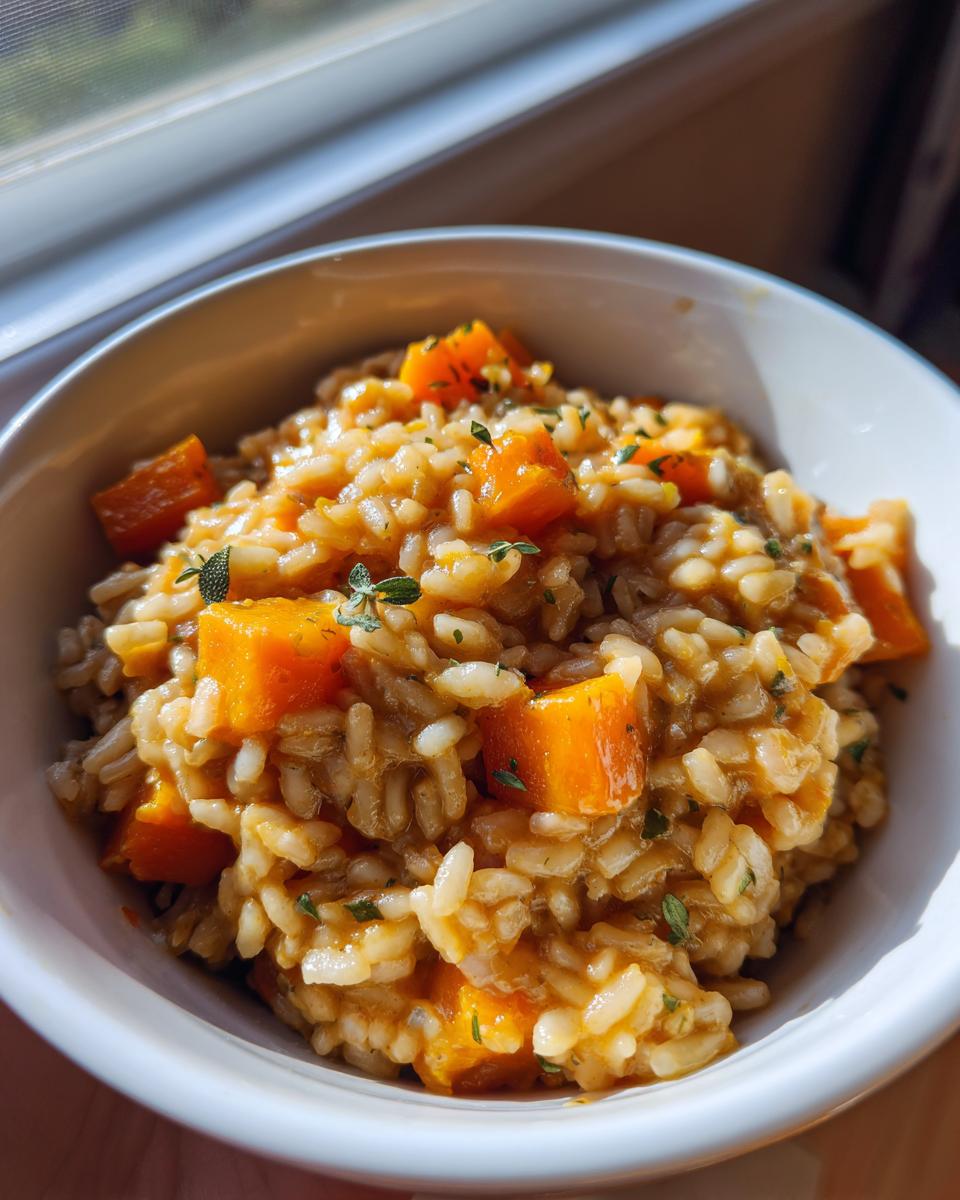
Listen, I hope this **butternut squash risotto** disappears the moment you make it because it’s truly best eaten fresh off the heat. That flowing, creamy texture vanishes surprisingly fast once it cools down!
If you have leftovers, and hey, that’s a good problem to have, you have to know how to handle them. When you chill risotto, the rice continues to absorb liquid, and all those starches tighten up. What you are left with is basically a delicious, cheesy rice cake. Don’t panic! You can bring it back to life.
When you’re ready to eat the leftovers, put the risotto in a small saucepan over medium-low heat. Here’s the trick: add a splash—maybe a couple of tablespoons—of hot water or that simmering broth you hopefully still have half a cup of! You need to stir constantly while it warms up. As it heats, the water/broth loosens everything back up again. Keep adding liquid tiny bit by tiny bit until you get that lovely, soft ‘wave’ consistency back. It takes patience, but it saves you from having to start from scratch for lunch the next day!
Frequently Asked Questions About Butternut Squash Risotto
I always get so many questions when people try this **butternut squash risotto** for the first time, which tells me you guys are serious about your cooking! It’s natural to wonder about substitutions, especially when dealing with something as specific as risotto. Remember, a little tweaking is okay, but we have to respect the rice!
This recipe is fantastic for anyone looking for deeper dives into proper side dishes. If you’ve enjoyed this, you should really check out my other winter squash dinner ideas for more seasonal inspiration!
Can I use Italian short-grain rice other than Arborio?
That’s a common question when people search for a **creamy risotto tutorial**! Yes, you can certainly use Carnaroli or Vialone Nano rice instead of Arborio. Carnaroli is actually my personal favorite if I can find it—it’s sometimes called the ‘superfine’ rice. It holds its shape even better than Arborio when cooked for a long time. Just stick to Italian short-grain rices specifically designed for risotto; long-grain rice like Basmati just won’t release the starch needed for that beautiful, creamy sauce we’re aiming for.
How can I turn this into a vegan butternut squash risotto?
This is an easy swap! Since we roasted the squash, the flavor foundation is already there. To make it vegan, you just need to replace the dairy components. Skip the Parmesan cheese entirely, or use a high-quality vegan Parmesan substitute. For richness, instead of the two tablespoons of butter, melt down about 3 tablespoons of high-quality olive oil or use a vegan butter product during the final *mantecaura* step. That vigorous stirring will still build that creamy texture wonderfully!
Why did my risotto turn out too stiff after 20 minutes?
If it’s too stiff, you probably stopped adding broth too soon, or you didn’t stir enough! Risotto relies on that liquid environment to create the final texture. If you run out of broth, don’t hesitate to use hot water! It’s better to use hot water than to let the rice dry out and stick to the bottom of the pot. If it sets up too hard at that stage, just add another ladleful of hot liquid and keep stirring until it loosens up before moving on to the squash.
Can I make this ahead of time?
I honestly advise against making it *ahead of time* because its glory days are the first five minutes it’s off the heat. However, if you absolutely must, you can cook the rice until it is just shy of *al dente* (maybe 15 minutes into the broth process). Cool it quickly, cover it, and refrigerate. When reheating, you must use the technique I detailed in the storage section—add hot liquid slowly and stir constantly. It won’t be quite as perfect as freshly made, but it’ll still be a delicious **seasonal Italian dinner**!
Share Your Autumn Comfort Food Recipes Experience
Now that you’ve whisked, stirred, and perfected your own batch of this glorious **butternut squash risotto**, I am just dying to know what you think! Honestly, seeing your creations always warms my heart more than eating the delicious food itself.
Did you go for the savory toasted pecans, or did you sneak some crispy prosciutto into the mix? Did you manage to find that perfect *al dente* bite? Don’t keep the success stories, or even the little oopsies, to yourself!
Please, take a moment and drop a rating right down below. If you’ve successfully navigated making this **homemade risotto guide** a winner in your kitchen, leave a comment telling us the highlights. If you need a little extra help, that’s what the contact page is there for! I love hearing how these simple techniques translate into amazing **Autumn comfort food recipes** on your dinner table. Happy cooking, friends!
PrintCreamy Butternut Squash Risotto

Make this comforting and flavorful butternut squash risotto using simple techniques for a perfect creamy texture. This recipe focuses on whole ingredients for a nourishing fall or winter dinner.
- Prep Time: 20 min
- Cook Time: 45 min
- Total Time: 65 min
- Yield: 4 servings 1x
- Category: Dinner
- Method: Stovetop
- Cuisine: Italian
- Diet: Vegetarian
Ingredients
- 1 medium butternut squash (about 2 lbs), peeled, seeded, and cubed
- 2 tablespoons olive oil, divided
- 1 small yellow onion, finely chopped
- 2 cloves garlic, minced
- 1 1/2 cups Arborio rice
- 1/2 cup dry white wine (like Pinot Grigio)
- 5 cups low-sodium vegetable broth, kept warm
- 1/2 cup grated Parmesan cheese, plus more for serving
- 2 tablespoons unsalted butter
- 1/4 cup chopped fresh sage leaves
- 1/4 cup toasted pecans or walnuts, roughly chopped (optional)
- Salt and black pepper to taste
Instructions
- Roast the Squash: Preheat your oven to 400°F (200°C). Toss the cubed butternut squash with 1 tablespoon of olive oil, salt, and pepper. Spread on a baking sheet and roast for 20 to 25 minutes, or until tender and slightly caramelized. Set aside about 1 cup of the roasted squash for stirring in later; mash the remaining squash with a fork until smooth.
- Sauté Aromatics: In a large, heavy-bottomed pot or Dutch oven, heat the remaining 1 tablespoon of olive oil over medium heat. Add the chopped onion and cook until soft, about 5 minutes. Add the minced garlic and cook for 1 minute until fragrant.
- Toast the Rice: Add the Arborio rice to the pot. Stir constantly for 2 minutes until the edges of the grains look translucent. This step is key for creamy risotto.
- Deglaze: Pour in the white wine. Stir until the wine is completely absorbed by the rice.
- Add Broth Gradually: Add one ladleful (about 1 cup) of the warm vegetable broth to the rice. Stir continuously until the liquid is almost completely absorbed before adding the next ladleful. Continue this process, stirring often, for about 18 to 20 minutes. The constant stirring releases the starch, creating the creamy texture.
- Incorporate Squash: When the rice is nearly done (al dente—tender but with a slight bite in the center), stir in the mashed butternut squash and the reserved 1 cup of roasted squash cubes. Add another ladle of broth if needed to maintain a flowing consistency.
- Finish the Risotto (Mantecaura): Remove the pot from the heat. Stir in the butter, grated Parmesan cheese, and fresh sage. Stir vigorously for 1 minute to emulsify the mixture and make it extra creamy. Season with salt and pepper to your taste.
- Serve: Divide the risotto among bowls immediately. Top with extra Parmesan cheese and the toasted pecans or walnuts, if using.
Notes
- Keep your vegetable broth simmering in a separate small pot while you cook. Adding cold broth stops the cooking process and hinders creaminess.
- Stirring is non-negotiable for a proper risotto. Stir gently but consistently to prevent sticking and encourage starch release.
- For a vegetarian main course, this recipe works perfectly as is. If you prefer a richer flavor, substitute half the vegetable broth with mushroom broth.
Nutrition
- Serving Size: 1 serving
- Calories: 550
- Sugar: 10
- Sodium: 450
- Fat: 18
- Saturated Fat: 9
- Unsaturated Fat: 9
- Trans Fat: 0
- Carbohydrates: 80
- Fiber: 8
- Protein: 20
- Cholesterol: 35