

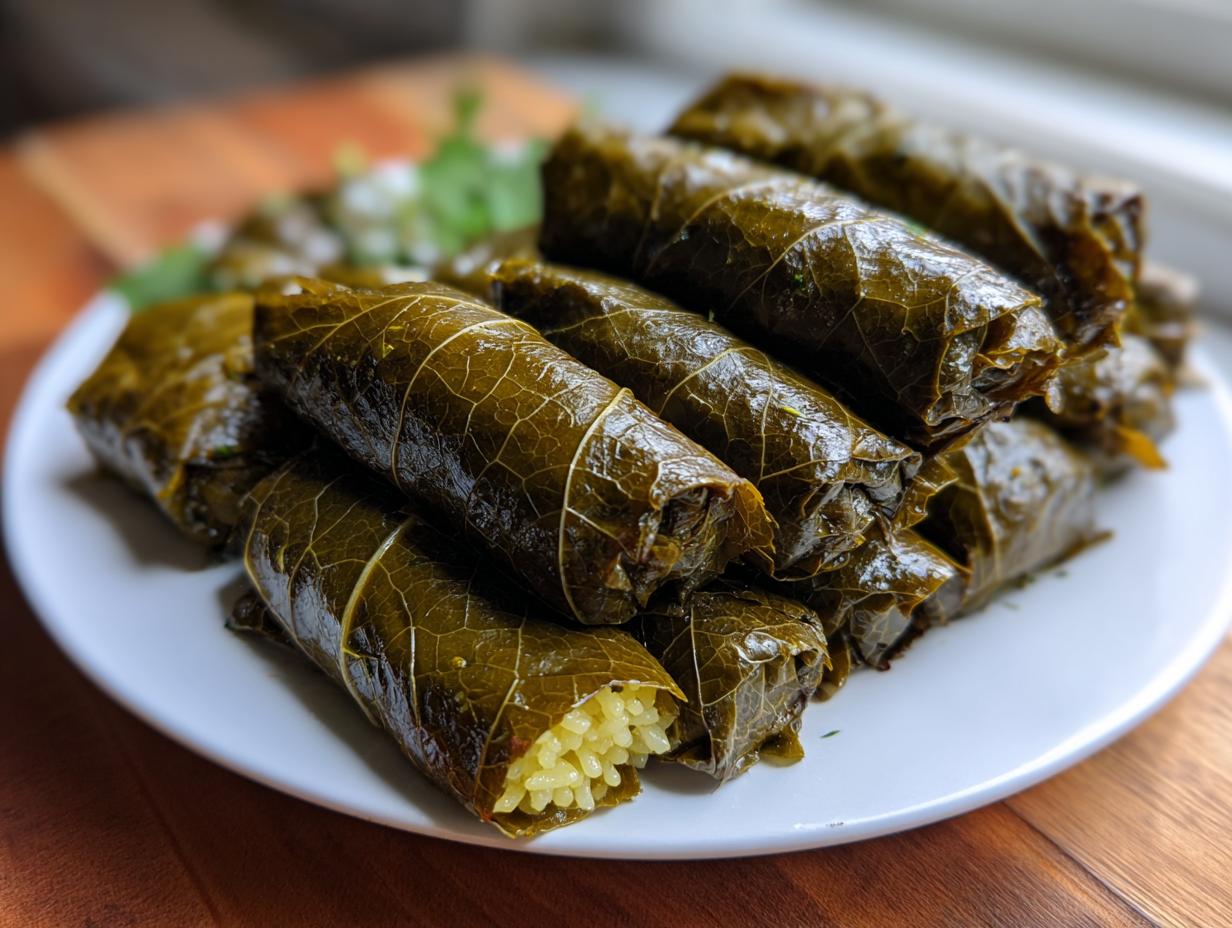
You know those days, right? When you need food that tastes like sunshine and smells like a vacation? I get that craving constantly, especially when the weather warms up. We reach for takeout too often when all we really need is something bright, fresh, and deeply satisfying. That’s exactly why I’m sharing my absolute favorite recipe for lemony rice-stuffed grape leaves. This isn’t just another appetizer; it’s my little kitchen escape! Back when I was juggling that crazy corporate schedule, I realized these simple, zesty wraps brought me back to basics—real ingredients, simple prep, powerful flavor. As I talk about here on Pure Plate Path, connecting with simple, nourishing food is my whole mission. This method keeps things straightforward so you can focus on enjoying the process, not stressing over complicated steps. It’s the taste of genuine Mediterranean comfort, made wonderfully accessible.
- Why This Recipe for Lemony Rice-Stuffed Grape Leaves Stands Out
- Gathering Ingredients for Authentic Lemony Rice-Stuffed Grape Leaves
- Mastering the Art of Rolling Rice Filled Vine Leaves
- The Stovetop Simmer: Cooking Your Lemony Rice-Stuffed Grape Leaves
- Ingredient Notes and Substitutions for Zesty Grape Leaves
- Serving Suggestions for Mediterranean Appetizers
- Storage and Reheating Instructions for Homemade Vine Leaves Wraps
- Frequently Asked Questions About Making Lemony Rice-Stuffed Grape Leaves
- Share Your Delicious Stuffed Leaves Ideas
Why This Recipe for Lemony Rice-Stuffed Grape Leaves Stands Out
There are a million ways to make dolmades, I know, but trust me when I say this version nails exactly what I look for in a summer appetizer. You want bright, you want refreshing, and you definitely don’t want anything fussy. This recipe delivers those requirements every single time. Forget those bland, nearly flavorless rolls you sometimes get out there! If you love lemon, you should really check out my recipe for Easy Chicken Piccata too—it’s got that same vibrant zing!
- Intense, Zesty Lemon Kick: We use lemon juice *in* the filling and lemon slices *on top* while cooking. It’s a double whammy of bright, acidic flavor that truly sings.
- Super Beginner Friendly: If you’re nervous about rolling your first batch of these lemony rice-stuffed grape leaves, don’t be! The rice filling here is stable, and the instructions are broken down so simply.
- Completely Vegan & Naturally Gluten-Free: This recipe relies on short-grain rice, herbs, and bright citrus. It’s naturally plant-based, which makes it perfect for serving everyone at your next gathering.
- Minimal Effort, Maximum Flavor: We’re using a simple stovetop simmer, meaning you don’t have to fuss with oven temperatures or worry about drying them out—the broth does all the work.
Key Benefits of Our Lemony Rice-Stuffed Grape Leaves
What truly sets these apart is that unmistakable citrus punch. That fresh lemon flavor cuts right through the richness of the olive oil and the earthiness of the herbs. It keeps every bite tasting light, which is exactly what you want when you’re serving up a big platter of these delicious wraps.
Gathering Ingredients for Authentic Lemony Rice-Stuffed Grape Leaves
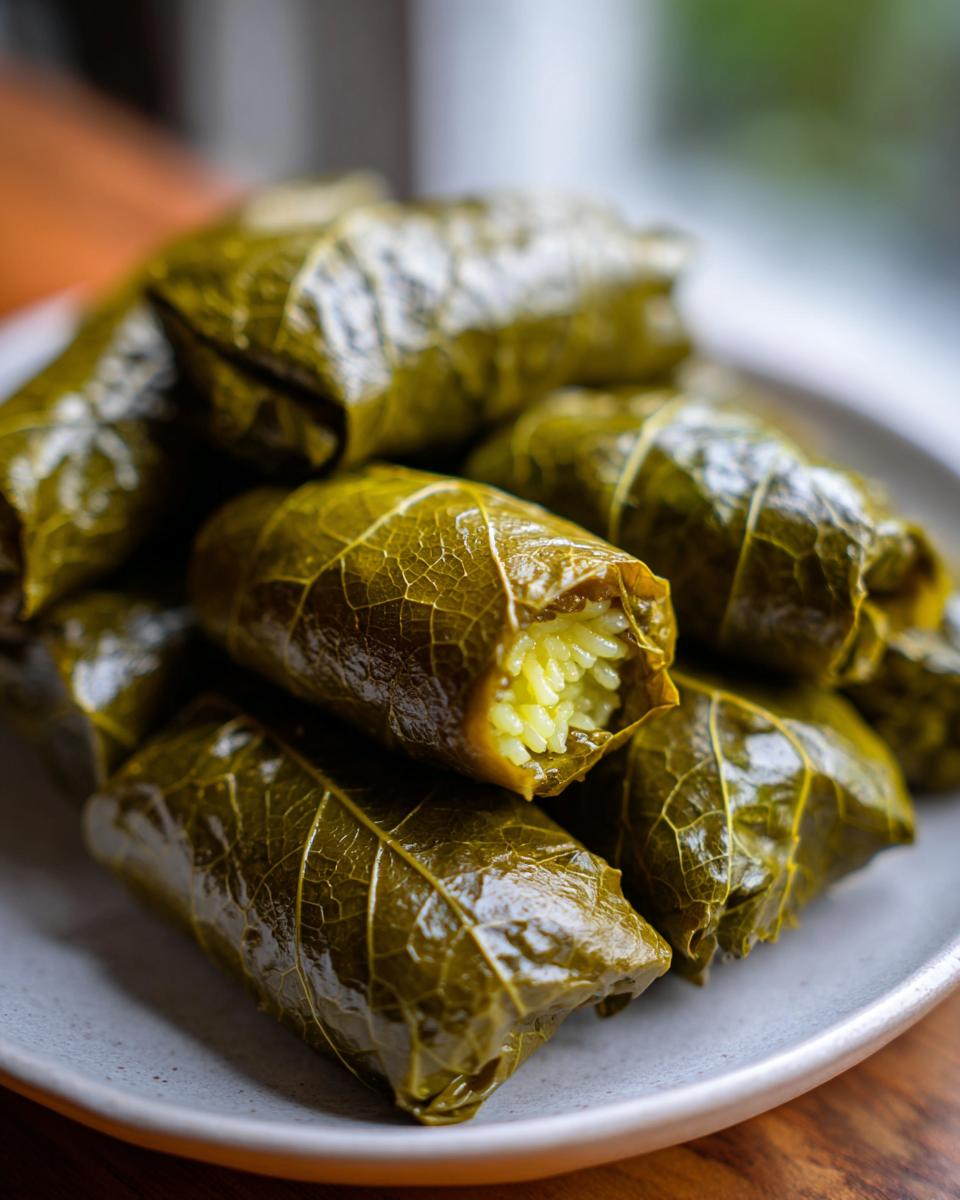
Okay, the key to these bright, zesty bites is making sure you have all your ducks in a row before you even touch a grape leaf. We aren’t making anything complicated here, just using honest ingredients to maximize that fantastic citrus flavor. Speaking of bright flavors, if you ever need a super simple salad pairing, my Kale Salad with Lemon Parmesan Dressing hits all the right notes!
For these lemony rice-stuffed grape leaves, you’ll want everything measured out. Don’t skip preparing the jarred leaves—rinsing off that salty brine is non-negotiable!
- 1 jar (16 ounces) preserved grape leaves, rinsed and drained
- 1 cup short-grain white rice, uncooked
- 1/2 cup fresh lemon juice (Seriously, no bottled stuff here—it’s worth squeezing them!)
- 1/4 cup olive oil, plus more for drizzling
- 1 large yellow onion, finely chopped
- 1/2 cup fresh parsley, chopped
- 1/4 cup fresh mint, chopped
- 1 teaspoon dried dill
- 1 teaspoon salt
- 1/2 teaspoon black pepper
- 4 cups vegetable broth
- 1 large lemon, thinly sliced
See? All simple things you probably have on hand, except maybe the dill—but that little bit of dried herb makes a huge difference in flavor depth against all that fresh lemon!
Mastering the Art of Rolling Rice Filled Vine Leaves
Okay, if there’s one thing that makes people nervous about making dolma, it’s the rolling. I used to feel that way too, but once you get the rhythm down for these rice filled vine leaves, you’ll be rolling them faster than you can chop the next handful of parsley. Seriously, it’s meditative!
First things first: the leaves. You absolutely have to rinse those preserved grape leaves really well. That brine they sit in is way too salty for the filling, so rinse them in cool water a couple of times until they don’t taste overly sharp anymore. Then, lay them flat on a clean cutting board. If they feel huge, just take a knife and trim that thick stem end off, or even cut the leaf in half. We are aiming for manageable sizes.
Now, for the filling. Remember, we’re using uncooked rice here, so don’t overdo it! I use about 1 teaspoon of the lemon herb rice stuffing per leaf. If you pile it on, you won’t be able to close them up, and the rice needs room to expand while it cooks in the broth.
Tips for How to Roll Grape Leaves Perfectly
This is the technique that gets you those adorable little uniform cylinders. We are aiming for snug rolls, not loose burrito shapes. This is one of the things I learned early trying to figure out how to make dolma successfully.
- Lay your leaf shiny-side down. The dull, textured side should face up—that’s the side you’re wrapping around.
- Tuck those sides in first! Fold the left and right edges of the leaf inward over the little pile of stuffing.
- Starting from the stem end (or the wider base), roll the leaf up tightly toward the tip. Roll it firmly but gently. It shouldn’t be so tight that the rice bursts out the ends, but definitely make it compact.
My tip, which I learned from watching my Yiayia, is to make sure the seam of the leaf ends up on the bottom when you place it in the pot. This keeps them sealed tight! Make sure all your rolls look roughly the same size; that’s how you ensure they all finish cooking at the exact same time.
The Stovetop Simmer: Cooking Your Lemony Rice-Stuffed Grape Leaves
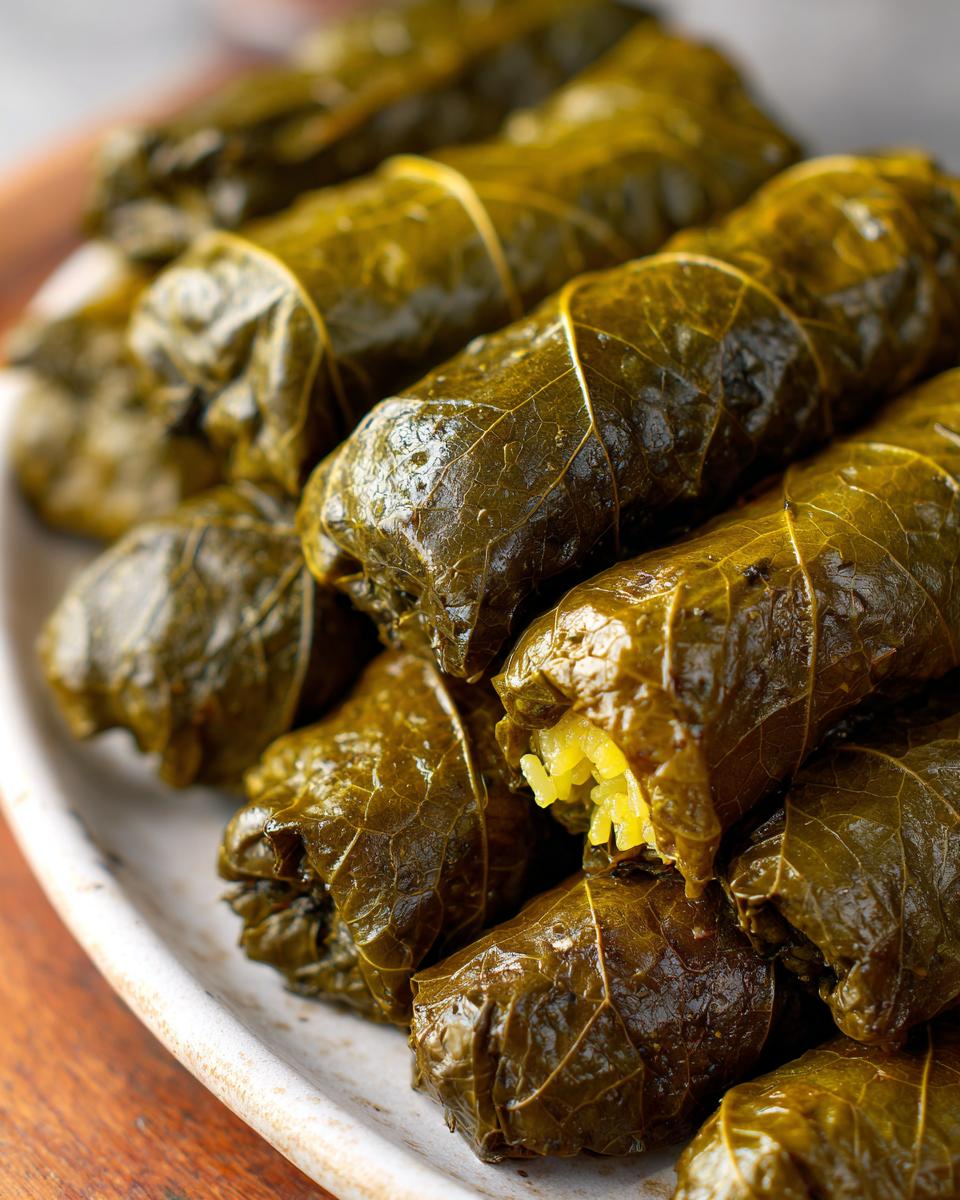
Now that you’ve mastered rolling those perfect little cylinders, it’s time for the magic to happen. This part relies on the classic dolmades cooking method, which ensures the rice cooks perfectly plump and absorbs all that wonderful lemon broth. Arrange your finished lemony rice-stuffed grape leaves snugly in a wide, heavy-bottomed pot. We need tight packing; don’t leave big gaps, or they might unravel! They should fit in tight rows, and sometimes I even make a second layer if I have a lot. If you love one-pot meals as much as I do, you might also want to check out my recipe for One-Pot Mediterranean Rice!
This is where the extra lemon gets involved. Scatter those thin lemon slices right over the very top layer of the rolls. Next, gently pour in the vegetable broth. You want the liquid to just about cover them. If you want true authenticity and to avoid any floating disaster, grab a heat-proof plate—one that fits inside your pot—and set it directly on top of the rolls. This keeps them totally submerged while they boil and simmer. Drizzle that last bit of olive oil over everything, bring it to a boil, and then drop that heat way down low. Cover it tightly and just let them whisper for about an hour until that rice is soft and glorious. This simmering makes these the most tender, bright wraps you’ll ever taste, and don’t forget to let them rest, covered, for a good fifteen minutes after turning off the heat!
Ingredient Notes and Substitutions for Zesty Grape Leaves
The success of truly great zesty grape leaves is all about respecting the core ingredients, especially when you’re chasing that intense lemon flavor everyone loves. I cannot stress this enough: use fresh lemon juice. Bottled juice just doesn’t have the same zing! That freshly squeezed tartness is what balances the richness of the oil and makes this dish pop. If you substitute, you just won’t get that bright finish we’re aiming for. This is a lesson I learned trying to make a quick lemon zucchini bread once—fresh citrus is everything!
Another huge factor here is the rice. We specifically call for short-grain white rice, like Arborio or Calrose, not long-grain or brown rice. Why? Because short-grain rice releases just the right amount of starch as it cooks, which thickens up the remaining broth slightly and gives the filling a tender, slightly creamy texture. Long-grain rice just stays too separate and dry inside the leaf.
Now, I know fresh herbs can sometimes be tough to keep on hand, although they are vital here. If you absolutely must swap the fresh parsley and mint, you can use a dried blend, maybe about 1.5 teaspoons total dried herbs mixed in. But honestly, the flavor profile will change. The fresh herbs add that authentic Mediterranean freshness that complements the lemon so beautifully. For this recipe, the fresh stuff is worth the trip to the market!
Serving Suggestions for Mediterranean Appetizers
When these lemony rice-stuffed grape leaves come out of the pot, they smell incredible—a perfect mix of savory broth, bright lemon, and earthy parsley. That waiting period after they rest is tough, but resist the temptation to rush! You can serve these dolmades beautifully either warm or completely cooled to room temperature. I find that when they cool down a bit, the lemon flavor actually sharpens and becomes even more pronounced.
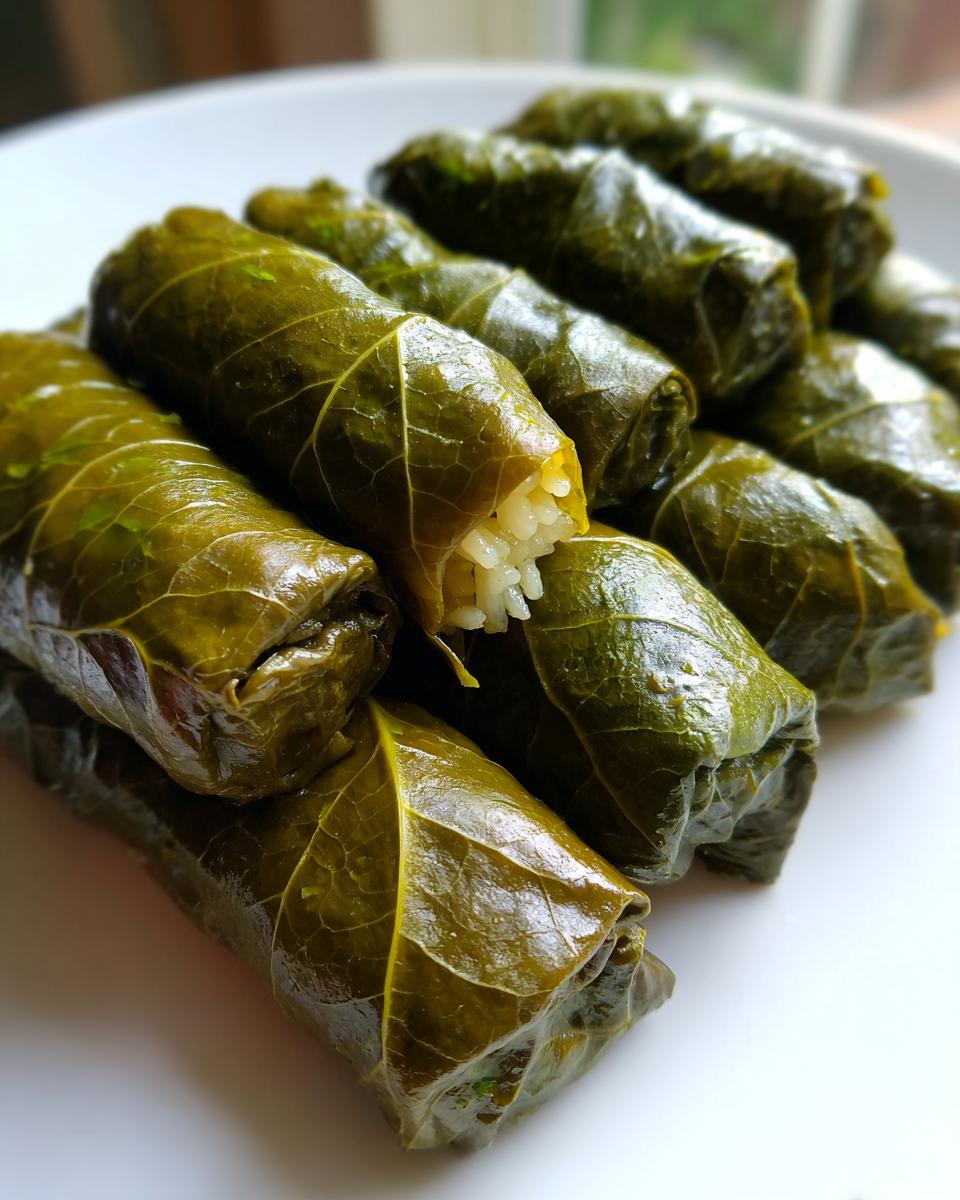
The one non-negotiable accompaniment? Extra lemon wedges. I always set out a little bowl of them right next to the serving platter because everyone wants that extra squirt of zest right before they take a bite. It just elevates the whole experience!
Since these are fantastic as one of many mediterranean appetizers, they pair wonderfully with some other light bites. If you’re putting together a full mezze platter, try setting them alongside some creamy hummus or some fresh olives. For a lighter meal, they make a fantastic, sturdy side dish. If you need a great fresh partner to cleanse the palate between rolls, check out my roundup of simple salad recipes; something light with cucumber and feta really balances the richness of the olive oil in the dolmades.
Storage and Reheating Instructions for Homemade Vine Leaves Wraps
One of the secrets to making truly great homemade vine leaves wraps is knowing they taste just as good—maybe even better—the next day! I often make a double batch because I know lunch tomorrow will be covered, and honestly, that’s peak home cook satisfaction, right? When you have leftovers of these lemony rice-stuffed grape leaves, just let them cool completely to room temperature first.
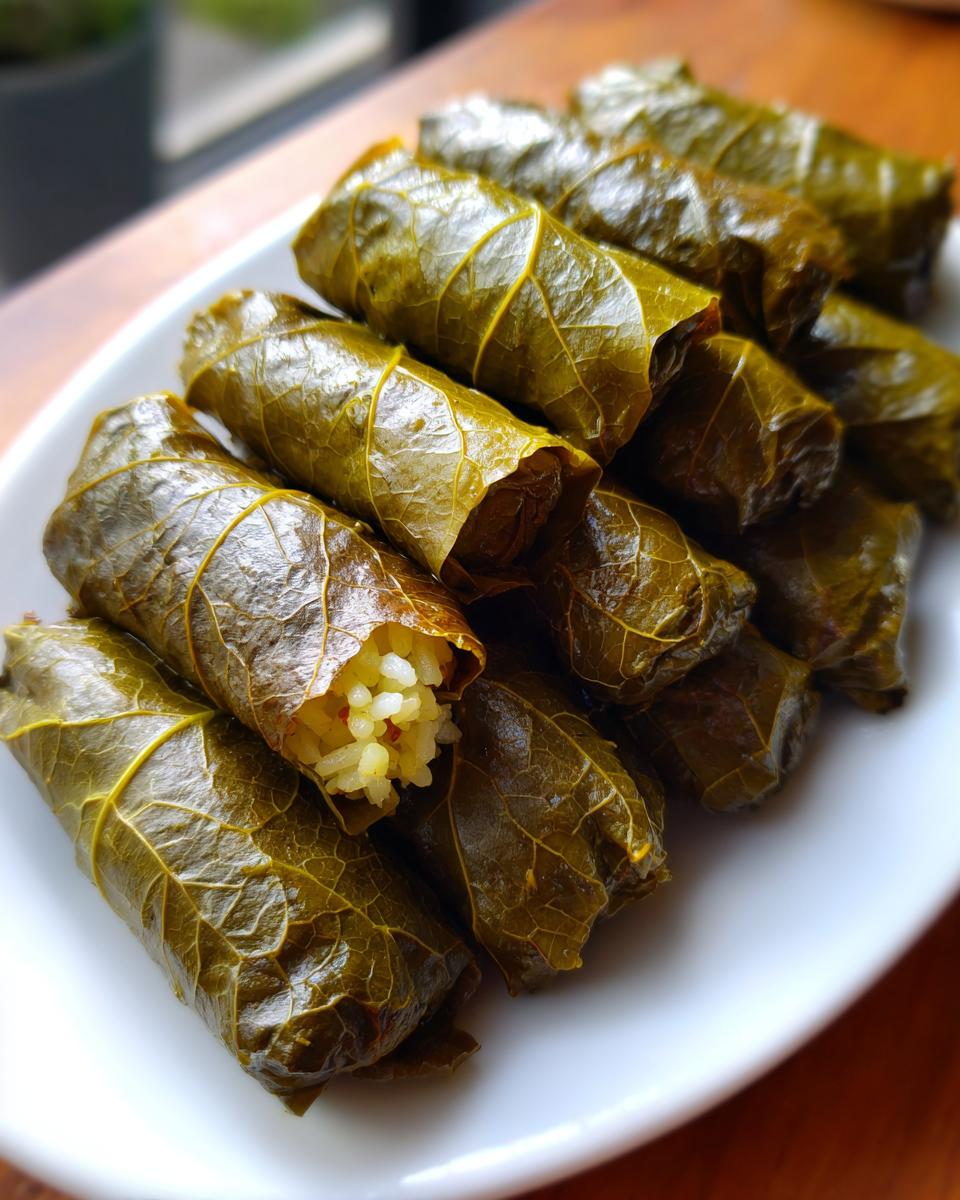
Once cool, transfer them to an airtight container. They hang out in the fridge beautifully for about four or five days. Keep them in the cooking liquid if you can, or at least lay them in a single layer with a piece of damp paper towel over the top before sealing. That little bit of moisture helps keep them plump.
When you’re ready to enjoy them again, reheating needs a gentle touch. Don’t just blast them in the microwave! They’ll get dry and tough fast. Instead, I suggest reheating them gently on the stovetop. Place them in a pan that has a tiny splash—maybe two tablespoons—of water or extra vegetable broth. Cover that pan tightly and use the lowest heat setting possible until they are warmed through. This steam bath rehydrates them perfectly, so you get that same tender bite as when they were fresh!
Frequently Asked Questions About Making Lemony Rice-Stuffed Grape Leaves
I know when I start trying a recipe, especially one as traditional as dolmades, I always have a million little questions swirling around. You want them to turn out just right! This recipe for lemony rice-stuffed grape leaves is pretty foolproof, but here are a few things I get asked about most often when people try making these rice filled vine leaves at home. If you have more questions after trying this out, feel free to reach out through my contact page!
Can I make these vegan stuffed grape leaves ahead of time?
Oh yes, you absolutely can! Since these are already vegan stuffed grape leaves, prepping ahead is super easy. You have two options. For best results, I like to make the entire filling mixture and roll all the leaves the day before. Store the uncooked, rolled dolmades snugly in your pot in the fridge, covered lightly. Then, the next day, just add the broth, place the plate on top, and cook them as directed. If you cook them completely the day before, just make sure to store them in their cooking liquid in the fridge, and reheat gently!
What if my rice filled vine leaves are too sour?
That bright lemon flavor is our goal, but sometimes, depending on the lemons you get, they can lean a little too far into the sour territory. Or maybe you just like things a bit sweeter! If your finished rice filled vine leaves taste a little too sharp for your liking, don’t panic. When you serve them, a tiny sprinkle of granulated sugar mixed with your extra salt on the side can help folks balance it out individually. Or, if you catch it when they are still simmering, adding an extra half cup of plain water or broth will dilute the sourness slightly. I wouldn’t add sugar directly to the cooking pot, though—it can make the liquid sticky!
Can I use precooked rice instead of uncooked rice?
Nope, I strongly advise against it for this specific recipe! We absolutely need that uncooked short-grain rice. When you use raw rice mixed into the filling, as it cooks inside the leaf, the starch that releases helps bind the filling together and keeps it from crumbling out when you eat it. If you use cooked rice, the filling will likely be mushy or fall apart entirely during the hour-long simmer. Stick to the uncooked rice for that perfect interior texture!
Why are my dolmades soggy or falling apart?
This usually comes down to two things: rolling too loose or not weighting them down properly. If you didn’t roll them tightly, the liquid seeps in too easily and puffs them apart. The second common issue is if they float! If the rolls lift, they absorb too much liquid on top unevenly and can soften too much. That heat-proof plate I talk about? That’s crucial! Always press down on your top layer to keep everything submerged in that flavorful, lemony broth until they are done cooking.
Share Your Delicious Stuffed Leaves Ideas
Seriously, I poured my heart into perfecting these lemony rice-stuffed grape leaves, and now it’s your turn! I truly hope you find as much joy serving these zesty, herb-packed wraps as I do making them. They’re such a showstopping addition to any table, whether you’re hosting a big dinner or just treating yourself to a bright, nourishing lunch.
When you try this recipe—and I really hope you do!—please, please come back and leave a rating and a comment. Your notes about how the texture turned out or if you tweaked the lemon amount help the whole Pure Plate Path community immensely. Sharing our successes and troubleshooting tips is how we all get better in the kitchen together. I can’t wait to hear all about your perfectly rolled homemade vine leaves wraps! And hey, if you want to review how we handle user feedback and information, you can always check out our Privacy Policy.
PrintLemony Rice-Stuffed Grape Leaves (Easy Dolmades)

Make bright, zesty stuffed grape leaves using this straightforward recipe for rice-filled vine leaves. This method focuses on achieving a strong lemon flavor perfect for a Mediterranean appetizer.
- Prep Time: 30 min
- Cook Time: 60 min
- Total Time: 90 min
- Yield: About 30 rolls 1x
- Category: Appetizer
- Method: Stovetop Simmering
- Cuisine: Mediterranean
- Diet: Vegan
Ingredients
- 1 jar (16 ounces) preserved grape leaves, rinsed and drained
- 1 cup short-grain white rice, uncooked
- 1/2 cup fresh lemon juice
- 1/4 cup olive oil, plus more for drizzling
- 1 large yellow onion, finely chopped
- 1/2 cup fresh parsley, chopped
- 1/4 cup fresh mint, chopped
- 1 teaspoon dried dill
- 1 teaspoon salt
- 1/2 teaspoon black pepper
- 4 cups vegetable broth
- 1 large lemon, thinly sliced
Instructions
- Prepare the rice filling: In a medium bowl, combine the uncooked rice, chopped onion, parsley, mint, dill, salt, and pepper.
- Add the lemon juice and 1/4 cup of olive oil to the rice mixture. Mix everything well until the rice is evenly coated.
- Prepare the grape leaves: Lay a grape leaf flat on a clean surface, shiny side down. If the leaves are very large, you may cut them in half.
- Place about 1 teaspoon of the rice mixture near the stem end of the leaf.
- Fold the sides of the leaf inward over the filling.
- Roll the leaf tightly from the stem end toward the tip, creating a small, compact cylinder. Repeat with all the leaves.
- Arrange the rolled dolmades snugly in a large, heavy-bottomed pot or Dutch oven. You can layer them in rows.
- Place the thin lemon slices over the top layer of the stuffed leaves.
- Pour the vegetable broth over the leaves. The liquid should almost cover them. If needed, place a heat-proof plate directly on top of the rolls to keep them submerged during cooking.
- Drizzle the remaining olive oil over the top.
- Bring the liquid to a boil over medium-high heat. Once boiling, immediately reduce the heat to low, cover the pot tightly, and simmer for 50 to 60 minutes, or until the rice is tender and all the liquid is absorbed.
- Remove the pot from the heat and let the dolmades rest, covered, for at least 15 minutes before serving.
- Serve warm or at room temperature with extra lemon wedges.
Notes
- For the best flavor, use high-quality preserved grape leaves. Rinsing them removes excess brine.
- If you prefer a tangier flavor, increase the lemon juice in the filling by one tablespoon.
- When rolling, keep the rolls tight; loose rolls tend to fall apart during cooking.
Nutrition
- Serving Size: 3 rolls
- Calories: 110
- Sugar: 1
- Sodium: 280
- Fat: 5
- Saturated Fat: 1
- Unsaturated Fat: 4
- Trans Fat: 0
- Carbohydrates: 15
- Fiber: 1
- Protein: 2
- Cholesterol: 0