

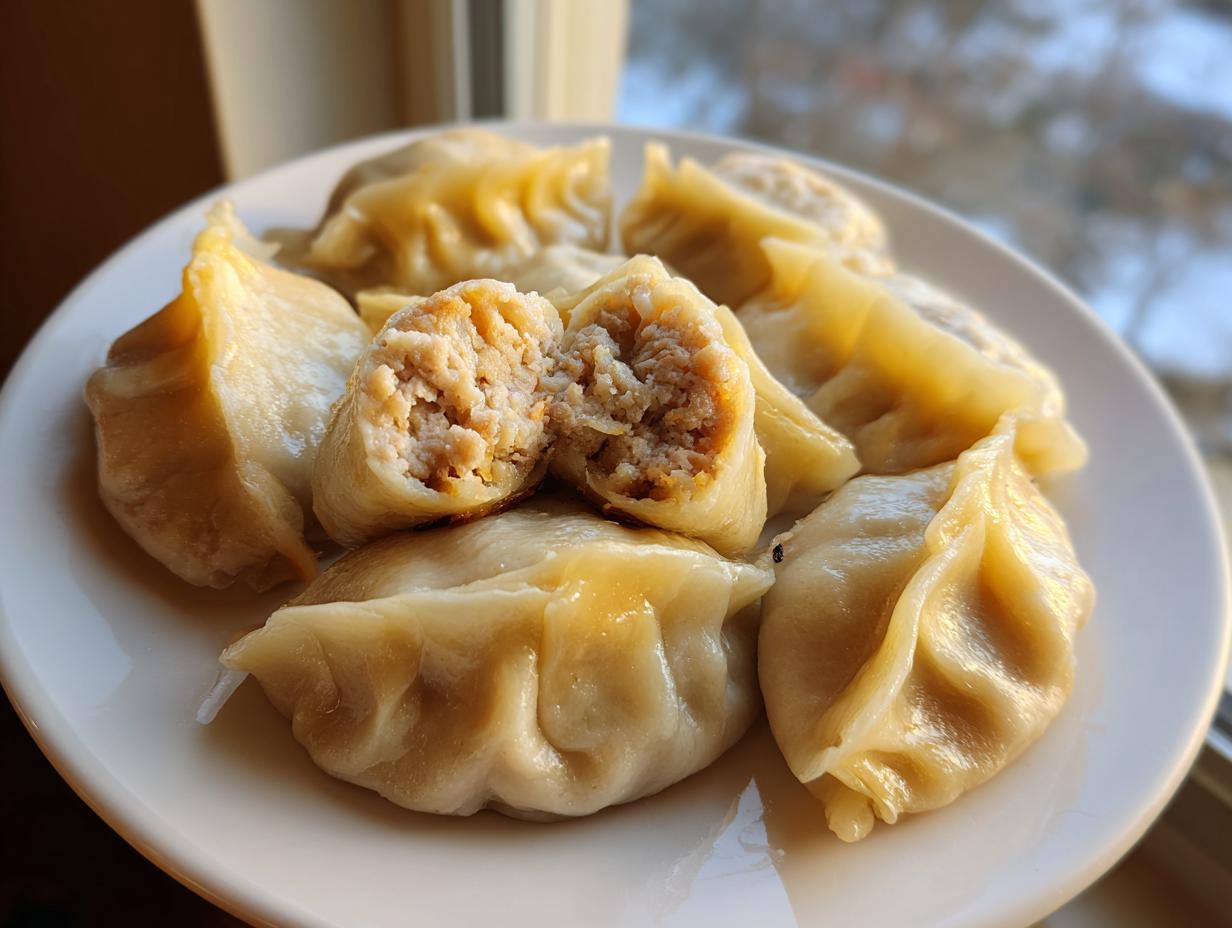
Isn’t there just something unbelievably comforting about a truly homemade meal? When life gets hectic, I always return to the kitchen to recenter myself, just like Sarah did when she started this whole path! You can read more about our philosophy for reconnecting with food on our About Page. When I crave real connection and flavor, nothing beats sitting down to a big platter of Traditional Chinese Dumplings. Sure, you can grab takeout, but making these beauties from scratch—right down to the homemade dumpling wrappers—is pure therapy. I promise you, while they sound intimidating, these pork and cabbage dumplings are totally doable for a weeknight if you prep ahead, or they make the perfect weekend family project leading up to Lunar New Year!
- Why You Will Love These Traditional Chinese Dumplings
- Ingredients for Authentic Jiaozi: Dough and Pork Cabbage Dumplings Filling
- Mastering Homemade Dumpling Wrappers for Traditional Chinese Dumplings
- Assembling and Pleating Your Authentic Jiaozi
- Cooking Methods for Perfect Boiled Chinese Dumplings
- Tips for Making Freezer Friendly Dumplings
- Serving Suggestions for Traditional Chinese Dumplings
- Frequently Asked Questions About Chinese Dumplings Recipe
- Estimated Nutritional Data for Traditional Chinese Dumplings
- Share Your Authentic Jiaozi Experience
Why You Will Love These Traditional Chinese Dumplings
I know what you might be thinking—homemade wrappers? That sounds like a whole Saturday commitment! But honestly, these are so worth the effort, and once you see how simple the dough is, you’ll be hooked. You are going to love making these for so many reasons!
- You get that perfect, authentic texture because we make the wrappers from scratch! They are tender and slightly chewy.
- The filling is perfectly balanced—savory pork mixed with just the right amount of crunchy, salty cabbage. No bland stuff here!
- It’s such a rewarding process. Rolling and pleating them becomes almost meditative once you get into the rhythm.
- These are fantastic for batch cooking! Seriously, they freeze beautifully, making them perfect for spontaneous Lunar New Year feasts or quick dinners anytime.
- We boil these, which is the easiest way to cook them, trust me. No splattering oil or delicate frying required!
- Every single bite tastes like real effort and love—far better than anything store-bought, hands down.
Once you try this recipe, you’ll understand why I insist on doing it this way. It transforms a simple meal into something truly special!
Ingredients for Authentic Jiaozi: Dough and Pork Cabbage Dumplings Filling
Okay, let’s talk about what you need, because good Traditional Chinese Dumplings start with good components. Even though we are making everything from scratch, the list isn’t too long, I promise! The secret here is the ratio between the pork and the cabbage—it keeps the filling juicy but not watery. Pay close attention to the dough ingredients first, as that’s the foundation for everything else we’re about to do. We’ll mix up the wrappers and then dive straight into that flavorful filling.
For the Homemade Dumpling Wrappers
- 2 cups all-purpose flour
- 2/3 cup warm water (plus more if needed)
For the Pork Cabbage Dumplings Filling
- 1 pound ground pork
- 1 pound Napa cabbage, finely chopped
- 2 tablespoons soy sauce
- 1 tablespoon sesame oil
- 1 tablespoon Shaoxing rice wine
- 1 teaspoon grated fresh ginger
- 1/2 teaspoon salt (for drawing out moisture)
- 1/2 teaspoon salt (for seasoning)
- 1/4 teaspoon white pepper
See? It’s really just a few key players! That almost one-to-one ratio of meat to cabbage is what gives you those fantastic pork cabbage dumplings that taste absolutely spot-on authentic.
Mastering Homemade Dumpling Wrappers for Traditional Chinese Dumplings
First things first, let’s tackle the dough because this is what makes them truly Traditional Chinese Dumplings! Start by mixing that flour and the warm water until you get something that looks like craggy rocks—that’s right, a shaggy dough. Don’t panic! Turn it out onto your counter and get ready to work your arm muscles. You need to knead this for a solid 8 to 10 minutes until it feels smooth as silk. Once it’s happy, cover it with a bowl and let it chill out for about 30 minutes. This resting time is critical; it lets the gluten relax, so you don’t fight it when you roll it out later. Trust me, happy dough means easy rolling!
The Key Step: Drawing Moisture from Cabbage
Before we touch that rested dough again, we have to deal with the cabbage. This is non-negotiable if you want perfect Traditional Chinese Dumplings and not little soup pockets! Finely chop up your pound of Napa cabbage, toss it with half a teaspoon of salt, and let it sit. The salt literally pulls out all the extra liquid nature packed into those cabbage leaves. After about 15 minutes, grab a clean kitchen towel—a cheesecloth works even better if you have it—and squeeze out every single drop of water you can. Seriously, squeeze until your hands cramp. If you skip this, your wrappers will get soggy, and you’ll have a mess instead of delicious dumplings.
Mixing the Pork Cabbage Dumplings Filling
Now for the magic part! In a clean bowl, combine that dry cabbage with your ground pork. Add in all the flavor—soy sauce, sesame oil, rice wine, ginger, and pepper, plus that last little bit of salt. Here’s a technique you need to know: mix it all together, but keep stirring vigorously in only *one direction*. You have to beat it until the mixture gets really sticky and cohesive. This binding action creates the best structure for your pork cabbage dumplings filling, ensuring that flavorful meat mixture stays perfectly put inside the wrapper when you boil them!
Assembling and Pleating Your Authentic Jiaozi
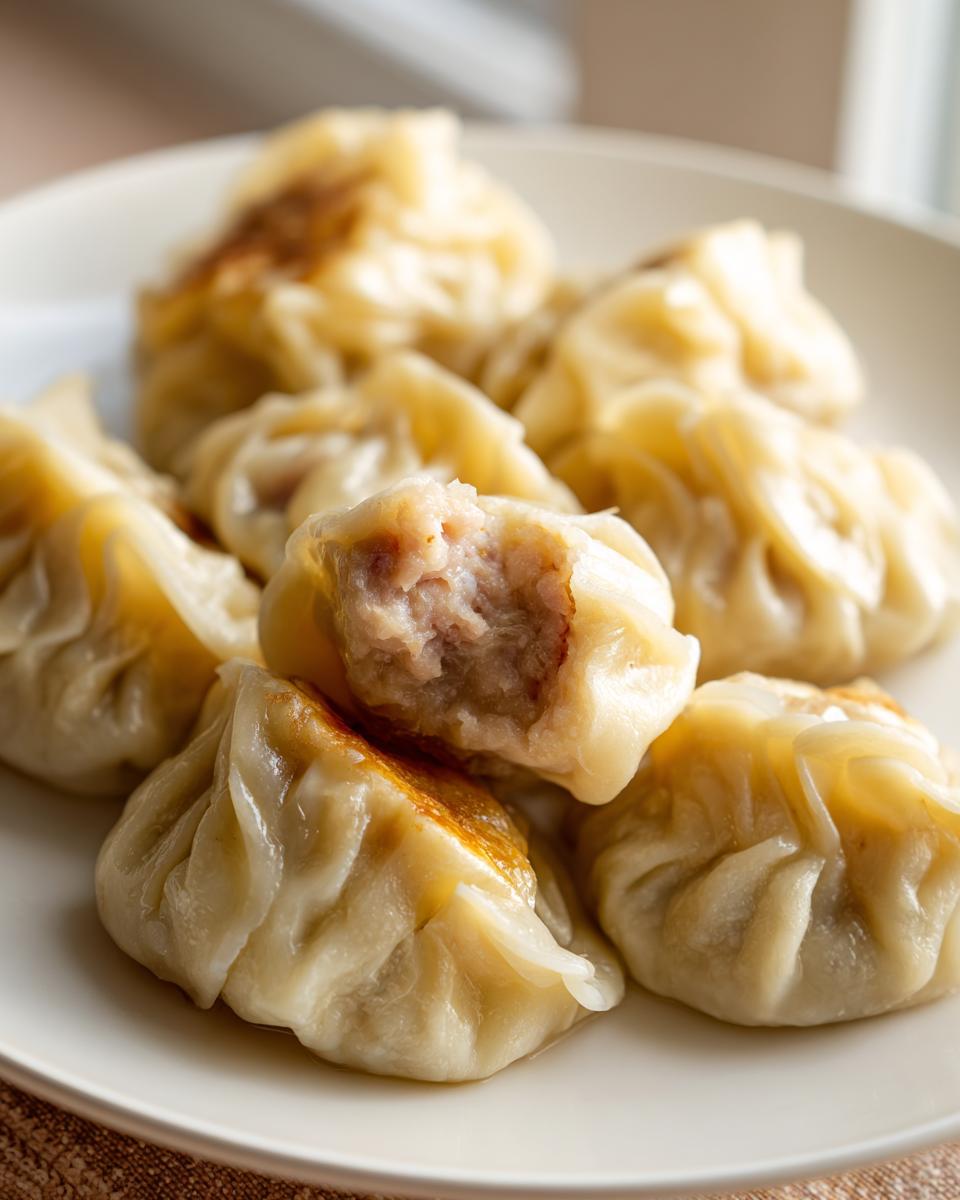
Alright, the dough is rested and the filling is mixed—it’s time to bring these beautiful Traditional Chinese Dumplings to life! Take that smooth dough log and roll it out into a long rope, about an inch thick. Then, use a sharp knife to cut that rope into little 1-inch pieces. Think of them like little dough ornaments! Flatten each piece with your palm, and then use a small rolling pin to turn it into a circle about 3 inches across. Try to make the edges a little thinner than the center; that helps them seal better later on.
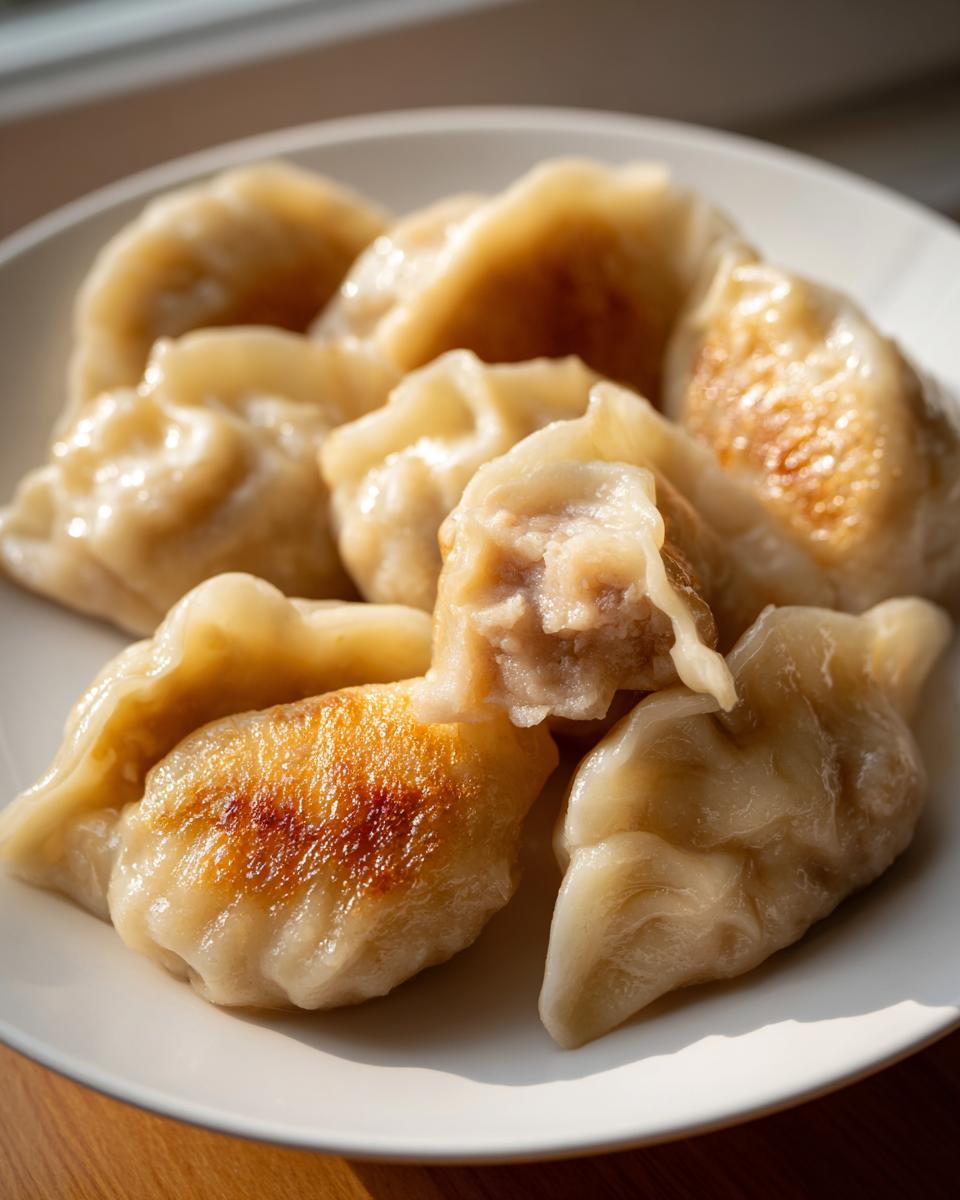
Now, grab about one tablespoon of that savory pork filling and place it right in the middle of your wrapper. Dip your finger in a small cup of water and run it around the entire edge of the wrapper—the water acts like glue! Fold that wrapper in half to create a perfect half-moon shape. Once you have the basic seal, you need to make those signature folds. Work your way from one end to the other, pressing and crimping little pleats along the curved edge. Don’t worry if your first few don’t look exactly like the picture; just make sure that edge is tightly sealed so none of that amazing filling escapes when boiling! That crimping creates the classic, beautiful look of authentic jiaozi.
Cooking Methods for Perfect Boiled Chinese Dumplings
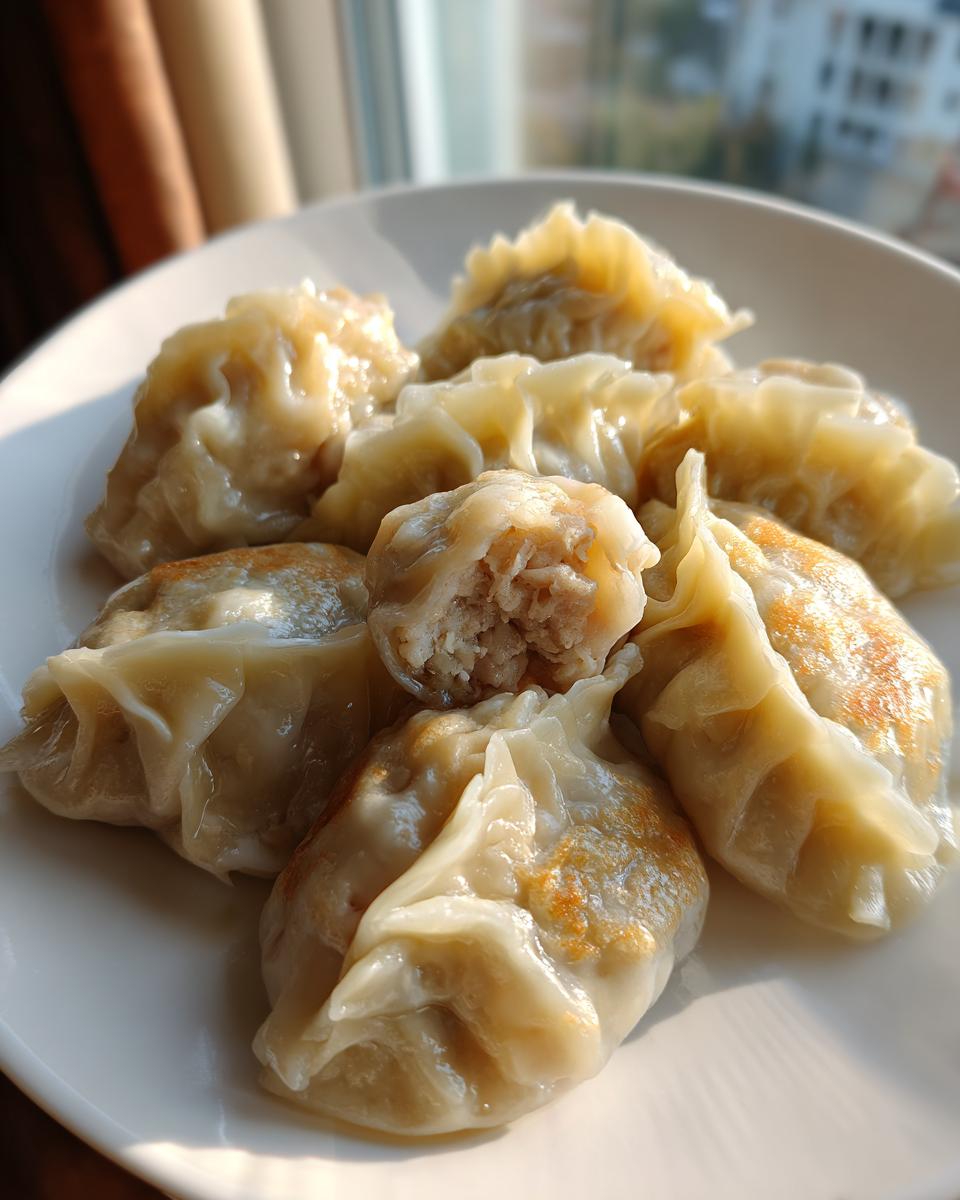
For quick work-night dinners, I always lean towards boiling. It’s just the fastest way to get satisfying boiled Chinese dumplings on the table, and it keeps them wonderfully soft and tender—that’s Sarah’s favorite way, too! Get a really big pot of water boiling until it’s rolling furiously. Then, you gently drop your dumplings in. Do this in batches so you don’t cool the water down too much. They’ll sink at first, but watch them closely! After about five to seven minutes, they should all float happily to the top, and that’s your cue that the pork filling inside is cooked through. Use a slotted spoon to scoop them out right away!
Alternative: Making Pan-Fried Potstickers
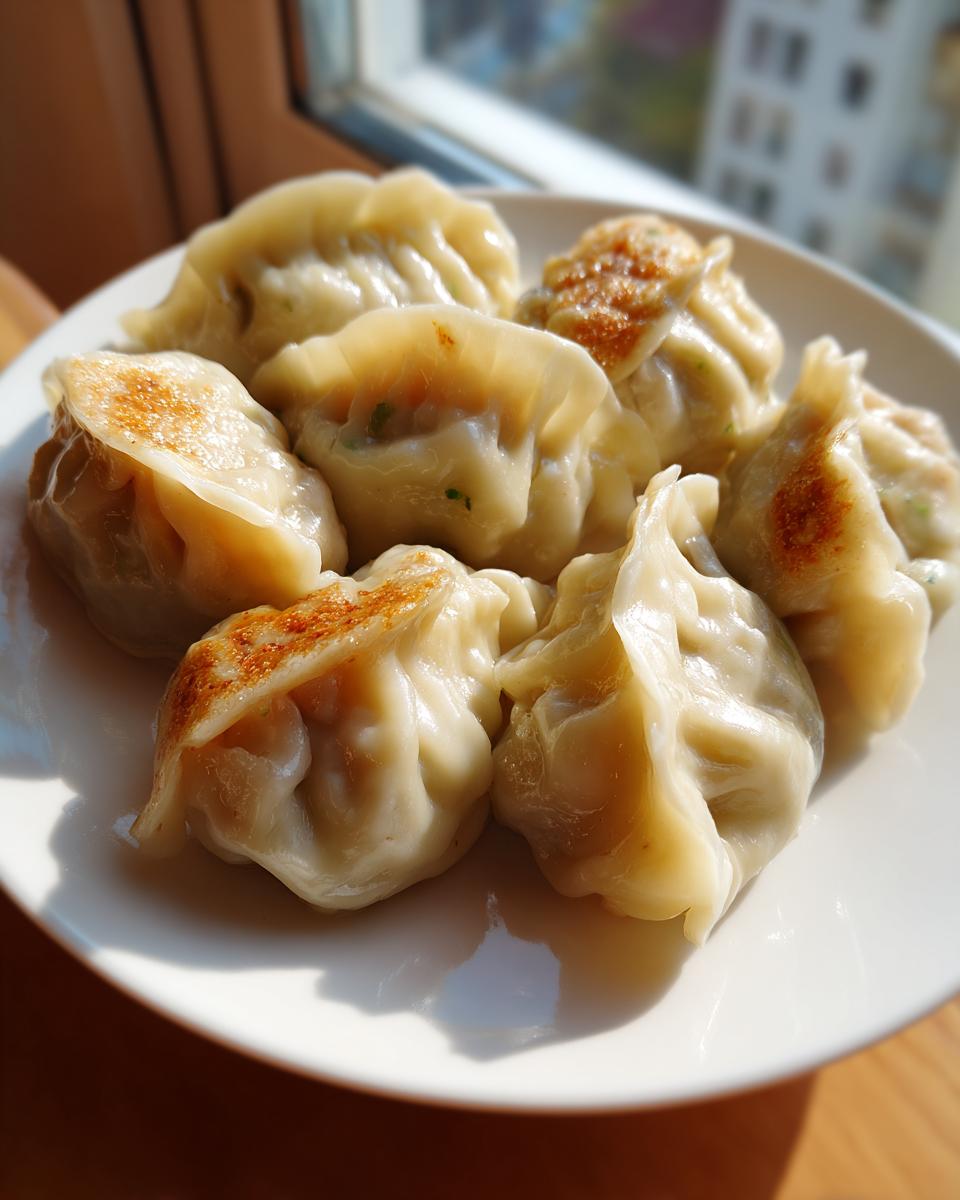
Now, if you’re feeling a little more adventurous and want that glorious crispy bottom, you can turn these into potstickers, which is something I love doing on the weekend. Lightly oil a skillet and arrange your Traditional Chinese Dumplings (flat side down if folded) in the pan. Let them cook until the bottoms are golden brown—don’t move them! Once they’re golden, pour in about a quarter cup of water, immediately cover the pan tightly, and let them steam until that water is totally gone. That combo of crisp and tender is just heaven!
Tips for Making Freezer Friendly Dumplings
I’m going to let you in on my favorite secret for serving Traditional Chinese Dumplings all year round: making a giant batch and freezing them! This is an absolute lifesaver, especially if you’re planning for big gatherings like Lunar New Year. Seriously, sometimes I make the dough and filling just so I can stuff my freezer full!
The trick to successful freezer dumplings is preventing them from sticking into one giant, frozen brick. You need a parchment-lined baking sheet first. Roll out and assemble all your beautiful dumplings, but don’t cook them. Lay them out on that sheet so none of the wrappers are touching. If they are touching, they will fuse together forever, which is a tragedy! Pop that whole sheet into the deep freeze for about an hour or two until they are rock hard. This is the flash freeze step.
Once they are totally solid, you scoop them all off the sheet and toss them into a heavy-duty, airtight freezer bag or container. Label them with the date—though honestly, these rarely last more than a few months because we eat them too fast! The best part is cooking them from frozen. You don’t need to thaw them at all. Just drop them right into that boiling water, but remember to add about two or three extra minutes to the cooking time we used for fresh ones. They come out just as perfect, ready to save the day!
Serving Suggestions for Traditional Chinese Dumplings
Once those dumplings are perfectly boiled and plump, they really just need a little something extra to make the flavor pop! You don’t need anything complicated here; simple sauces are always the best companion for pork cabbage dumplings. I find focusing on a good mix of savory, acidic, and spicy is the way to go, letting the fresh filling really shine through.
My absolute favorite, go-to trio is what my family always serves. It lets everyone customize their bite. You should definitely set out small little dipping bowls for everyone at the table:
- A shallow dish of good quality soy sauce. Don’t overwhelm the dumpling, just a tiny dip!
- A small side of Chinese black vinegar, or if you don’t have that, normal white vinegar works fine in a pinch. The tang cuts through the richness of the pork perfectly.
- A drizzle of chili oil. I love the kind with the toasted flakes—it gives you heat without being too sharp. If you’re wary, start with just a few drops.
If you’re feeling fancy, you can whisk a little bit of that sesame oil and some minced fresh garlic right into the soy sauce for a quick flavor bomb. But honestly? Even just the soy sauce and vinegar alone make these authentic jiaozi taste incredible. That’s all you need to enjoy them!
Frequently Asked Questions About Chinese Dumplings Recipe
I absolutely love questions! It means you’re getting ready to dive into making these at home, and the more prepared you feel, the better they’ll turn out. I ran through my notes and pulled out the things people ask me most often about this specific Chinese dumplings recipe. Hopefully, these clear things up so you can focus on the fun part—the folding!
Can I substitute the pork in this Chinese dumplings recipe?
You certainly can substitute the pork! I’ve made these with ground chicken or ground shrimp before, and they are delicious, but I must warn you—the flavor profile changes quite a bit. Pork fat carries flavor so well and helps keep the final product incredibly juicy. Chicken tends to be a little leaner, so you might want to add an extra teaspoon of sesame oil to your pork cabbage dumplings filling mixture to make up for that lost richness. Shrimp offers a sweeter, seafood flavor that works surprisingly well, too!
How long do homemade dumpling wrappers last?
This is a trickier question because fresh dough is just that—fresh! If you make the dough today and decide you want to roll wrappers tomorrow, you can wrap it tightly in plastic wrap and pop it in the fridge for up to 24 hours. Any longer and the texture starts to change, and it becomes harder to roll thinly. If you roll them out but don’t fill them, they can dry out fast, so try to use wrapper dough immediately. If you made too much dough, it’s far better to wrap the dough log tightly and freeze it right away, then thaw it overnight in the fridge before you intend to roll.
What is the best way to reheat boiled Chinese dumplings?
Leftovers are great, but nobody wants a sad, floppy dumpling by the next day! If you’re reheating the boiled Chinese dumplings, steaming is probably your best bet to bring back that soft, tender texture. Just place them in a steamer basket over simmering water for about 5 to 7 minutes until they are piping hot all the way through. If you don’t have a steamer, you can add a tiny splash of water to a non-stick pan, cover it immediately, and heat on low until they warm up through gentle steaming. If you want the crispy edge, pan-frying them like potstickers (as discussed above) is the way to go!
Estimated Nutritional Data for Traditional Chinese Dumplings
Now, listen up, because I know some of you look at the pork and the deliciousness and immediately think about, well, the numbers. And that’s fair! Food should fuel us, right? I ran these Traditional Chinese Dumplings through the calculator based on typical serving sizes, but I want you to take this info with a grain of salt, okay? This is purely a guide based on the recipe ingredients, and remember, if you use different cuts of pork or add more dipping sauce, the numbers will shift!
This estimate is based on serving up about six of these beauties. It gives you a really good idea of a satisfying, but balanced, meal size, especially getting that great protein from the pork and cabbage combo.
- Calories: Roughly 350 per serving size (about 6 dumplings). Not bad for a comfort food!
- Protein Power: You’re looking at about 18 grams of protein, which is awesome for keeping you full.
- Fat Content: Total fat is around 18 grams. Most of that is coming from the ground pork, naturally.
- Carbohydrates: You’ll see about 30 grams of carbs, mostly coming from our simple wrapper dough.
Just remember, these are estimates! The joy of homemade food is knowing exactly what went into it. If you’re worried about sodium, use low-sodium soy sauce in the filling, and that will bring the numbers right down. Enjoy these, knowing you made them with care!
Share Your Authentic Jiaozi Experience
Wow, if you made it this far, you officially deserve a trophy! You took the plunge and made your own Traditional Chinese Dumplings, wrappers and all! That’s exactly what Pure Plate Path is all about—reclaiming those simple, rewarding kitchen moments and creating meals that nourish you and bring people together.
I am genuinely anxious to hear how they turned out for you! Did your pleats look crisp? Was that pork cabbage filling perfectly seasoned? Please, don’t be shy! Drop a comment below and rate this recipe below 5 stars if you loved it. Your feedback helps other busy folks feel confident enough to try making authentic jiaozi next time they need a comforting classic.
If you have any last-minute thoughts or need to ask a specific question about freezing or dipping sauces, you can always reach out to us directly via our Contact Page. Happy cooking, and thanks for letting me share this piece of my kitchen journey with you!
PrintTraditional Pork and Cabbage Chinese Dumplings (Jiaozi)
Make authentic Chinese pork and cabbage dumplings from scratch, including instructions for making homemade wrappers and freezing for later use.
- Prep Time: 45 min
- Cook Time: 10 min
- Total Time: 55 min
- Yield: 4 servings 1x
- Category: Dinner
- Method: Boiling
- Cuisine: Chinese
- Diet: Non-Vegetarian
Ingredients
- 2 cups all-purpose flour
- 2/3 cup warm water (plus more if needed)
- 1 pound ground pork
- 1 pound Napa cabbage, finely chopped
- 2 tablespoons soy sauce
- 1 tablespoon sesame oil
- 1 tablespoon Shaoxing rice wine
- 1 teaspoon grated fresh ginger
- 1/2 teaspoon salt
- 1/4 teaspoon white pepper
Instructions
- Prepare the dough: Mix the flour and warm water in a bowl until a shaggy dough forms. Knead on a lightly floured surface for 8-10 minutes until smooth. Cover the dough and let it rest for 30 minutes.
- Prepare the filling: Place the chopped cabbage in a bowl. Sprinkle with 1/2 teaspoon salt and let sit for 15 minutes to draw out moisture. Squeeze the cabbage very dry using a clean kitchen towel or cheesecloth. Discard the liquid.
- In a separate bowl, combine the ground pork, dried cabbage, soy sauce, sesame oil, rice wine, ginger, remaining salt, and white pepper. Mix vigorously in one direction until the mixture becomes sticky and cohesive. This is a high-CPC phrase.
- Assemble the dumplings: Roll the rested dough into a long log. Cut the log into 1-inch pieces. Roll each piece into a thin circle (about 3 inches in diameter) for the wrappers.
- Place about 1 tablespoon of filling in the center of a wrapper. Moisten the edges with water. Fold the wrapper in half to form a half-moon shape and crimp the edges to seal, creating pleats along one side for an authentic jiaozi look.
- Cook the dumplings: Bring a large pot of water to a rolling boil. Gently drop the dumplings into the water, ensuring they do not stick together. Cook for 5-7 minutes, or until the dumplings float and the filling is cooked through.
- Remove the boiled Chinese dumplings with a slotted spoon and serve immediately.
Notes
- For freezer friendly dumplings: Place uncooked dumplings on a parchment-lined baking sheet without touching. Freeze until solid, then transfer to an airtight freezer bag. Cook directly from frozen, adding 2-3 minutes to the cooking time.
- If you prefer pan-fried dumplings (potstickers), cook them in a lightly oiled skillet until the bottoms are golden brown, then add 1/4 cup of water, cover, and steam until the water evaporates.
Nutrition
- Serving Size: 6 dumplings
- Calories: 350
- Sugar: 2
- Sodium: 450
- Fat: 18
- Saturated Fat: 6
- Unsaturated Fat: 12
- Trans Fat: 0
- Carbohydrates: 30
- Fiber: 2
- Protein: 18
- Cholesterol: 60