

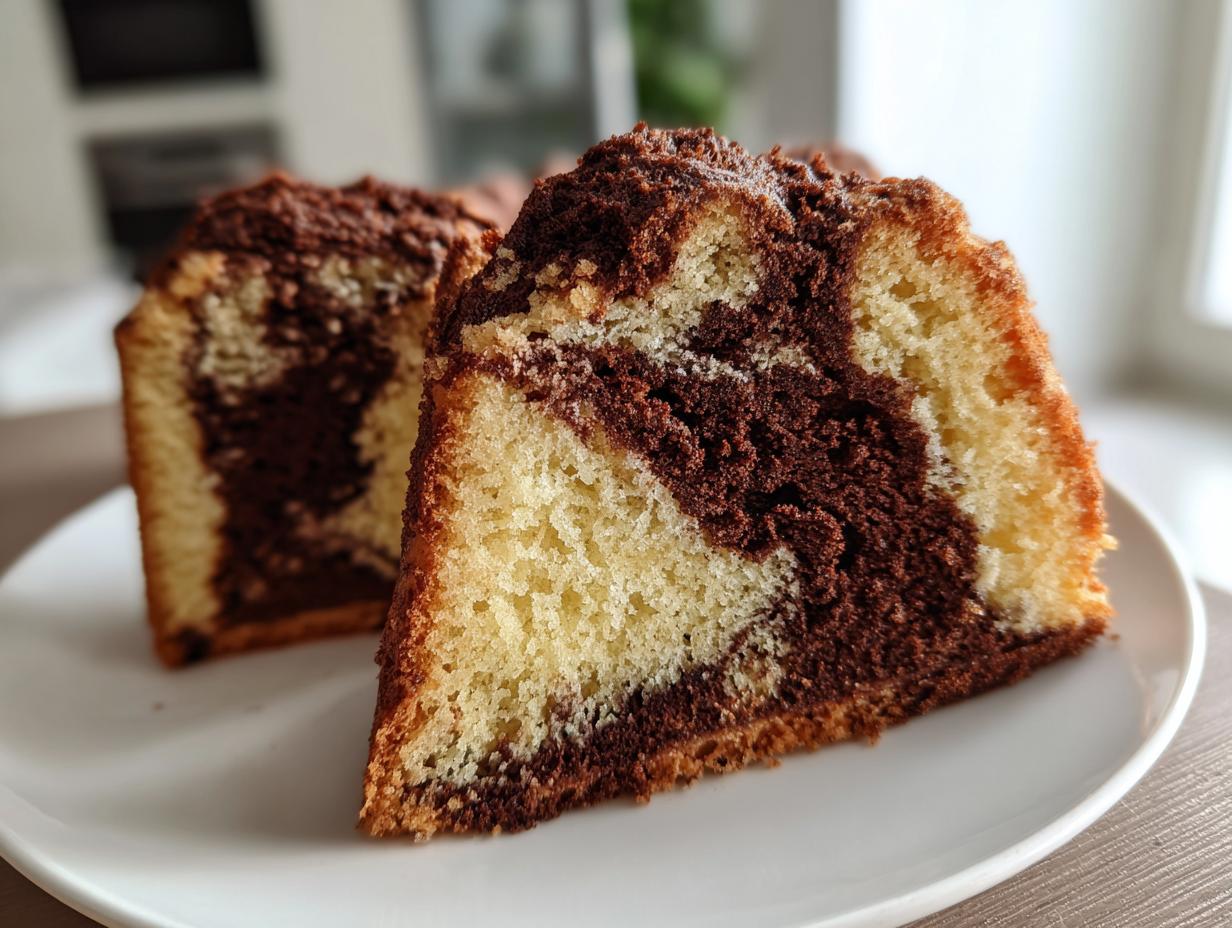
There’s just something about pulling a freshly baked cake from the oven that stops the whole house. It’s pure, simple comfort, right? That’s exactly why I adore this german marble cake recipe. It takes me right back to the notion that food should connect us. This isn’t some fussy dessert; it’s a deeply buttery, amazingly moist classic known as Marmorkuchen. I developed this version because I needed reliability when my schedule was crazy, focusing only on timeworn techniques that ensure a stunning swirl every single time. If you’re looking for that perfect balance of vanilla and rich chocolate flavor, you’ve absolutely found your new favorite piece of German home baking.
If you want to know more about why I focus on these straightforward, reliable recipes, you can always check out my little story on the About Page!
- Why This Traditional German Marble Cake Recipe Stands Out
- Ingredients for Your Authentic Marmorkuchen Baking Guide
- How to Make Perfect Marble Cake Swirl: Step-by-Step german marble cake Instructions
- Baking Tips for a Classic German Cake
- Storage and Reheating Instructions for german marble cake
- Serving Suggestions for Homemade Marmorkuchen Instructions
- Frequently Asked Questions About german marble cake
- Nutritional Estimate for german marble cake
- Share Your German Home Baking Classics Experience
Why This Traditional German Marble Cake Recipe Stands Out
When I set out to create my Traditional German Marble Cake Recipe, I wasn’t interested in recipes that dried out overnight. Nope! This is one of those Moist Marble Loaf Cake Baking treasures that tastes just as good on day three. My focus was simple: capture that buttery, tender crumb that defines authentic German baking while making sure the marbling was dramatic enough to brag about.
- It uses four full eggs, which gives the structure the right density without being heavy.
- We alternate wet and dry ingredients carefully—that’s the real secret to avoiding toughness!
- The chocolate swirl gets its deep color and flavor from cocoa mixed with just a splash of hot water.
Achieving the Perfect Moist Texture
You need that perfect ratio of fat to liquid, trust me. We use a full cup of softened butter, and we beat it forever with the sugar until it’s practically white. That air you’re whipping in? That’s what stops the cake from becoming dense bricks when it cools. Also, don’t even think about overmixing once the flour goes in; just stir until you barely see streaks, then move on!
The Secret to the Best German Coffee Cake Flavor
What makes this the Best German Coffee Cake? It’s the quality of the contrast. You get that deep, slightly bitter cocoa against the bright, bold vanilla in the plain batter. They play off each other beautifully. It’s rich enough for dessert but refined enough to serve alongside your afternoon coffee. No weak flavors here—just pure, comforting contrast!
Ingredients for Your Authentic Marmorkuchen Baking Guide
Pulling together the right supplies is half the battle when making an Authentic Marmorkuchen Baking Guide. I want you to have success right out of the gate, so please, please make sure your butter and your eggs are sitting out on the counter for at least an hour before you start. Room temperature ingredients mix together so much more gently, which is key for this batter!
Here is exactly what you’ll need for your german marble cake:
- 1 cup unsalted butter, softened
- 1 1/2 cups granulated sugar
- 4 large eggs
- 1 teaspoon vanilla extract
- 2 1/2 cups all-purpose flour
- 1 tablespoon baking powder
- 1/2 teaspoon salt
- 1 cup milk
- 1/4 cup unsweetened cocoa powder
- 2 tablespoons hot water
- 1 tablespoon granulated sugar (this goes only into the chocolate batter!)
Ingredient Notes and Substitutions for german marble cake
Let’s talk specifics so you get that classic flavor profile. I insisted on unsalted butter because we control all the salt ourselves with that half-teaspoon measurement. This gives us control!
For the chocolate part, you must use plain, unsweetened cocoa powder. Don’t grab Dutch-processed if you can avoid it for this vintage recipe; the unsweetened kind gives you that traditional, slightly sharp chocolate note that truly contrasts the sweet vanilla base. Also, when I say milk, I mean regular whole milk is best for richness here. Low-fat milk tends to thin out the batter too much and affects that beautiful density we’re aiming for.
How to Make Perfect Marble Cake Swirl: Step-by-Step german marble cake Instructions
Okay, this is where the magic happens! Getting the texture right is step one, but creating that signature look is what makes this german marble cake so special. Don’t panic, though! We are going to take this slow and steady. Remember, if you’re looking for more background on gentle mixing and batter consistency, I have a whole piece on making a perfectly moist batter that might help you out!
First things first: get your oven hot! Preheat your oven to 350°F (175°C) right now. Make sure you grease and flour that 10-cup bundt pan, or if you’re using a loaf pan, get that prepped too. You want everything ready because the batter comes together fast once you start adding those dry ingredients.
Preparing the Rich Vanilla Chocolate Cake Batter
We already talked about creaming the butter and the main sugar until it’s fluffy—that’s our foundation! Now, beat in those four eggs one at a time. Don’t rush this part! Give each egg a good minute to fully incorporate before adding the next.
Next, we handle the dry stuff. Whisk your flour, baking powder, and salt in a bowl first. Now, you’re going to alternate adding the dry mixture and the milk into your creamed butter mixture, starting and ending with the dry. Mix it on low speed, or gently by hand, until it’s *just* combined. Seriously, stop mixing when you still see a few flour streaks. Overmixing is the enemy of tender cake!
Once the main vanilla batter is ready but still a little shaggy, scoop about one-third of it into a separate bowl. This is crucial if you want that beautiful contrast!
The Simple Marble Cake Batter Technique for Swirling
Now, take that smaller bowl of batter and mix in that cocoa powder, the extra tablespoon of sugar, and the two tablespoons of hot water until it’s completely, beautifully chocolate brown. That hot water helps the cocoa bloom, giving you a richer color and flavor!
To execute the How to Make Perfect Marble Cake Swirl, you need to alternate big scoops of the vanilla batter and the chocolate batter right into your prepared pan. Think big dollops, not little drizzles. We want distinct patches of color.
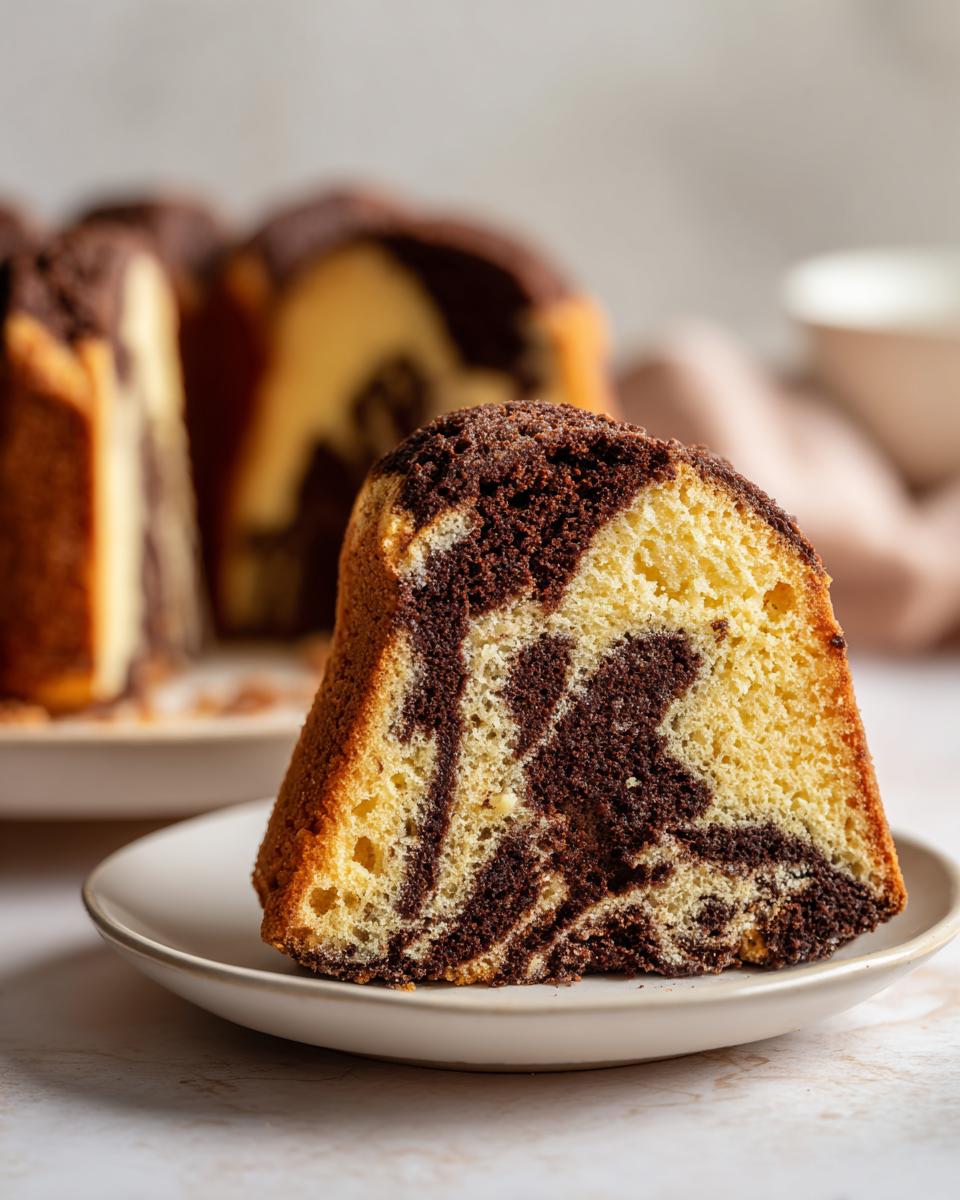
This is the moment for the Simple Marble Cake Batter Technique: grab a knife or a long skewer. Gently run it through the batter in a figure-eight motion, maybe 3 or 4 times total. That’s it! Do not go crazy here! If you over-swirl, you’ll just end up with a boring, uniform light-brown cake, and we want that gorgeous contrast. After you swirl, slide that pan right into your preheated 350°F (175°C) oven. It’ll need 50 to 60 minutes, but check it with a skewer around the 50-minute mark!
Baking Tips for a Classic German Cake
Mastering any of these Classic German Cake Recipes takes a little bit of feel, not just following steps exactly. When I first started baking Marmorkuchen years ago, I remember being so proud of my batter—but I swirled it way too much! I thought more swirls meant more marble, right? Wrong!
The result was a sad, pale tan cake with no definition. I learned that less is truly more when you’re creating that contrast. I actually ended up pulling that slightly over-mixed cake from the oven too early because I was too frustrated to wait for the full time. Next time, I waited the full 60 minutes, even though it looked the same in the center, and it came out perfectly cooked.
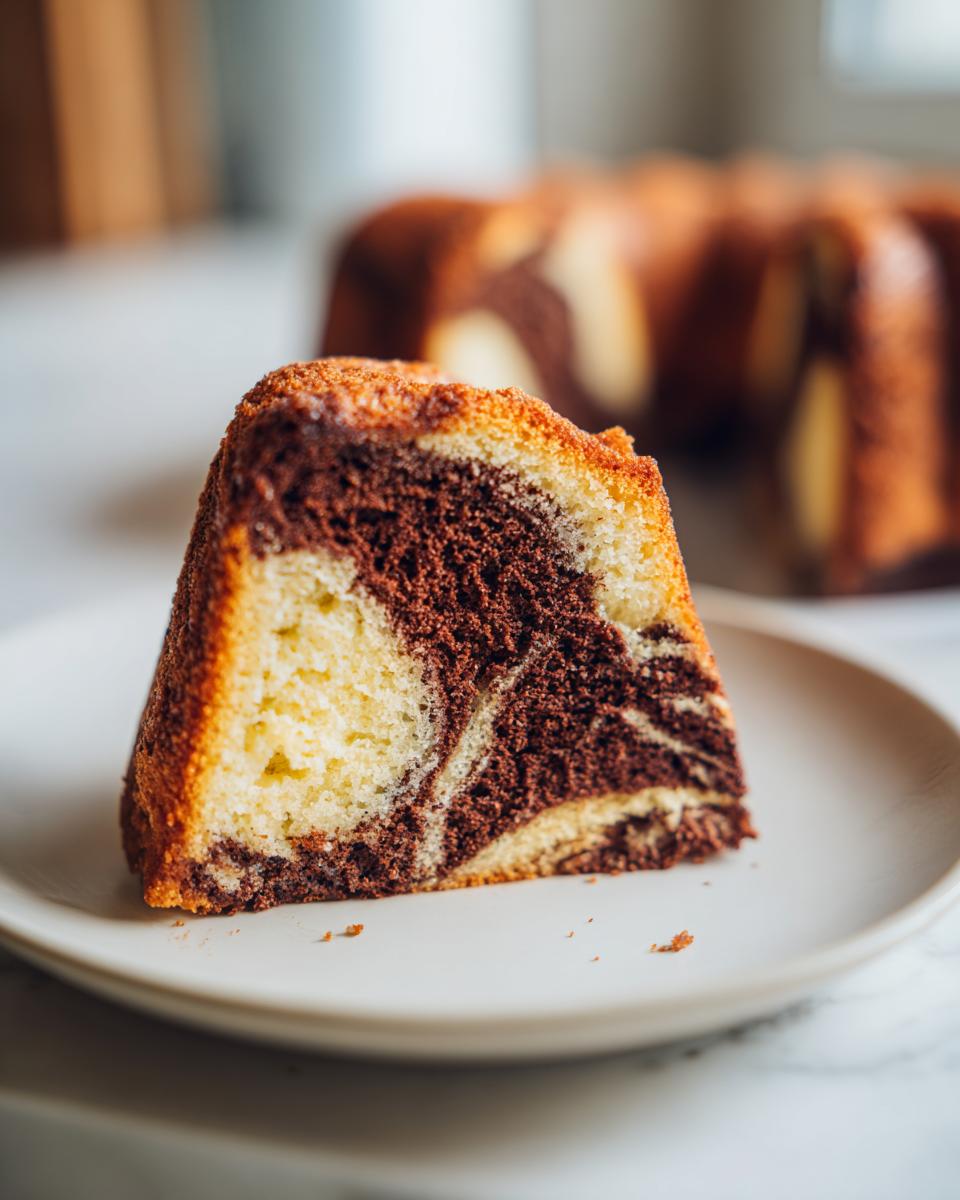
So, my biggest tip for this german marble cake is patience, especially during the swirl and the bake time! If you want to see some of my other old-school favorites that require a similar touch, check out my post on Vintage German Cake Recipes.
Storage and Reheating Instructions for german marble cake
One of the absolute best things about this rich butter cake is that it improves over time! Unlike a light sponge that gets dry fast, this german marble cake stays beautifully moist for days, thanks to all that butter and milk we packed into it. You definitely don’t need to rush to eat the whole thing in one sitting!
The key for keeping that perfect texture is air exclusion. You need a good, airtight container. Don’t just wrap it loosely in plastic wrap; the air will sneak in and dry out those edges fast.
For short-term storage—say, the first three days—just leave the cooled cake on the counter at room temperature in that sealed container. It keeps its softest texture this way. If you need to keep it longer, maybe four or five days, the fridge is fine, but I usually warm slices up slightly before serving, just to bring back that fresh-from-the-oven buttery flavor.
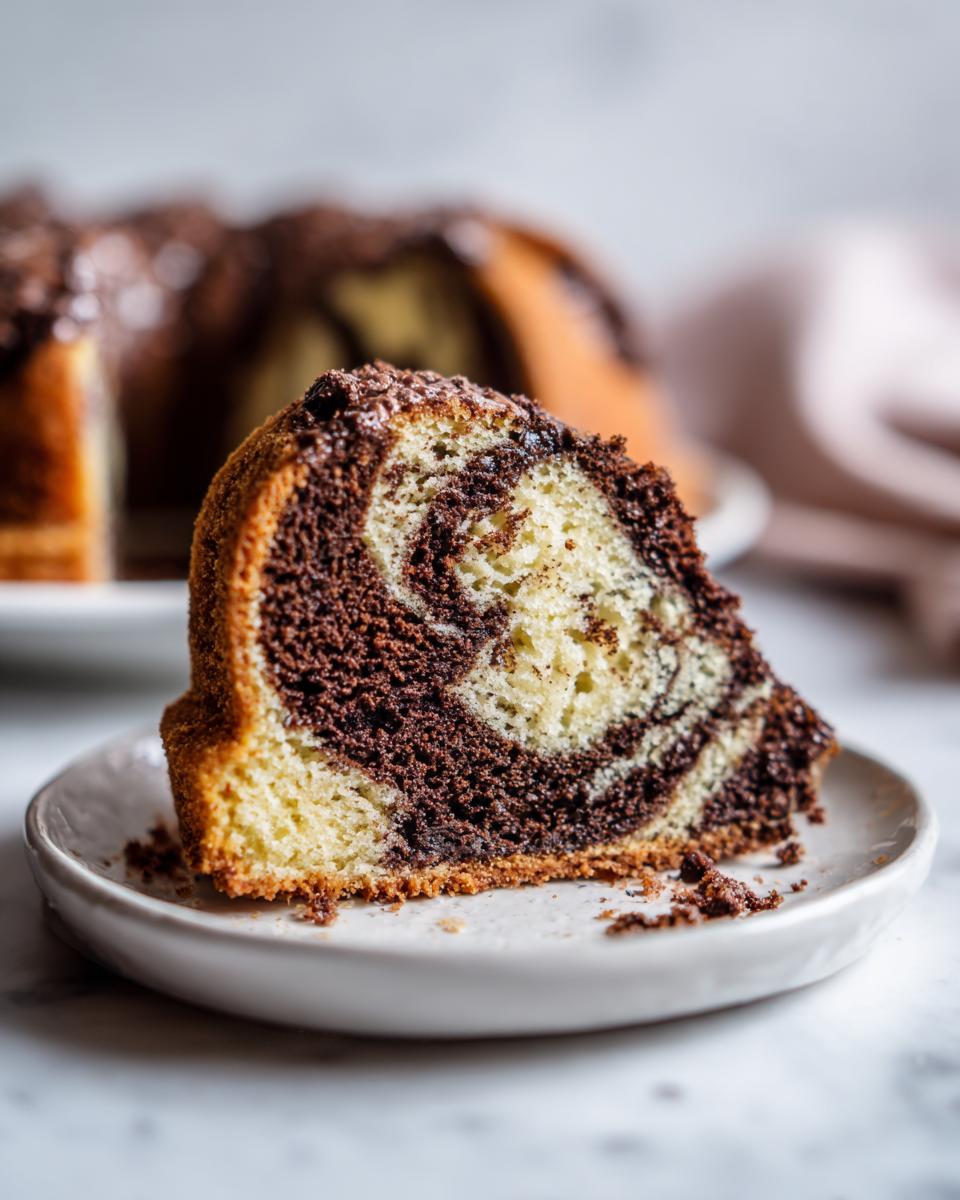
When you take a slice out of the fridge, don’t eat it cold! Pop the individual slice into the microwave for just 10 to 15 seconds. Trust me, that little bit of warmth wakes up all those vanilla and chocolate notes again. You’ll forget it was ever refrigerated!
Serving Suggestions for Homemade Marmorkuchen Instructions
Once your german marble cake has completely cooled—and I mean completely, or your dusting sugar will melt into a sticky mess—it’s time to enjoy it! This cake really doesn’t need much fanfare because the flavor is so rich and satisfying on its own, but that doesn’t mean we can’t dress it up a little for special moments.
For the most authentic experience following these Homemade Marmorkuchen Instructions, keep it simple, just like they do back in Germany. A light, delicate dusting of powdered sugar is often all you need. It looks pretty, and it adds just a whisper of extra sweetness without hiding that beautiful swirl pattern we worked so hard to achieve.
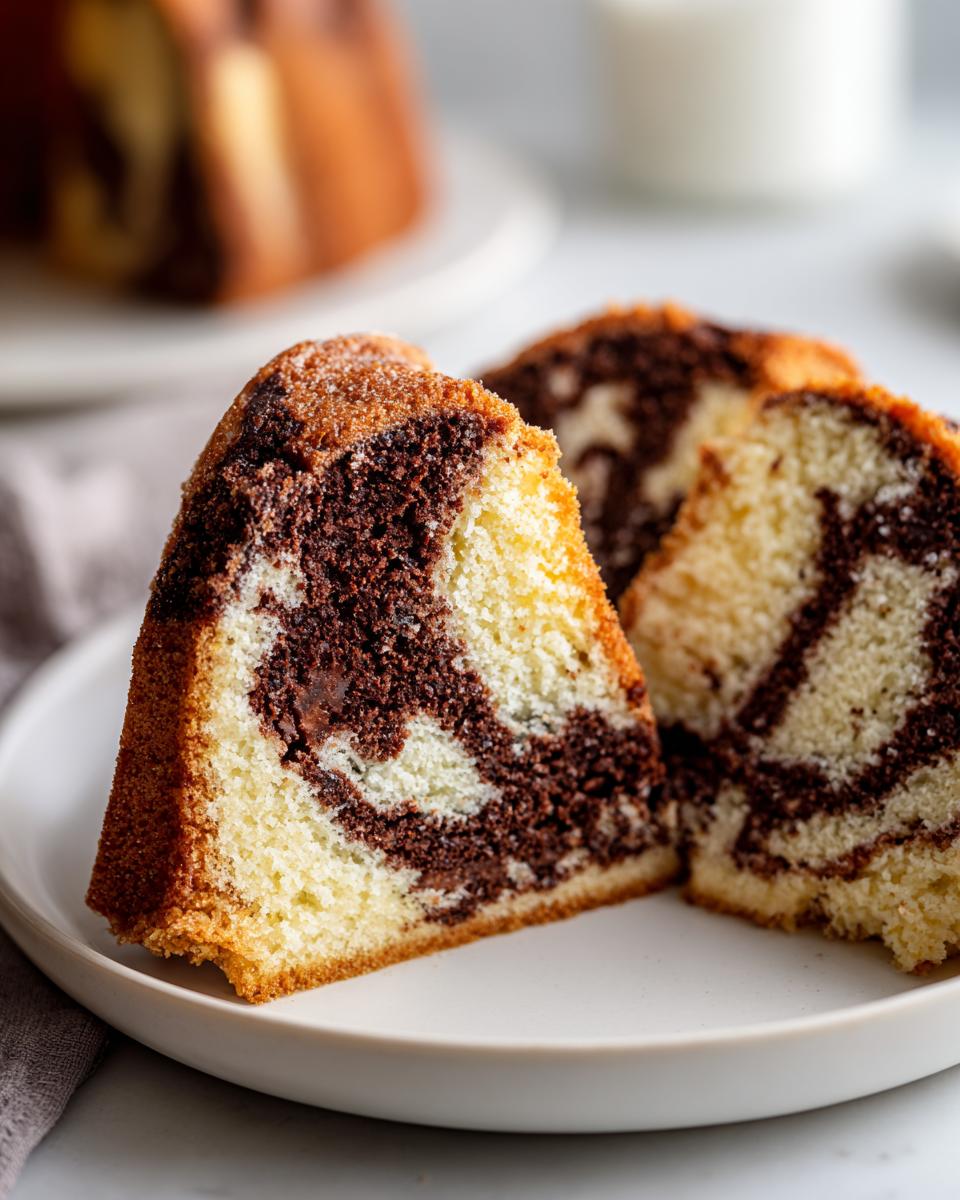
If you’re serving this up for brunch or mid-afternoon coffee, you can’t beat a hot beverage! Since this is essentially the Best German Coffee Cake, a strong, dark roast coffee is always the winner here. If you want to get a little cozy, I recently played around with making a Cookie Butter Latte, and pairing that creamy spice with the simple vanilla and chocolate of the cake is just heavenly.
For a bit more indulgence in the evening, try a small accompanying dollop of slightly tart whipped cream or even some fresh raspberries. The tartness of the berries cuts through the richness of the butter cake perfectly. Honestly though, even sinking your teeth into a thick slice on a plain white plate, nothing beats it!
Frequently Asked Questions About german marble cake
I totally get it—baking can sometimes feel like chemistry, and you want to make sure you nail this perfect german marble cake! I’ve gathered the questions I hear most often from folks trying this recipe for the first time. Getting these little details right is how we ensure your cake shines, just like a true German Home Baking Classic.
Can I use a loaf pan instead of a bundt pan for this german marble cake?
Yes, absolutely! You can definitely use a standard loaf pan. Because loaf pans are deeper than a Bundt pan, you will need to increase your baking time. Your Bundt pan typically bakes in 50 to 60 minutes, but a loaf cake might need closer to 65 or even 70 minutes. Always rely on that skewer test, though! If the skewer comes out with moist crumbs attached after 55 minutes, start checking every five minutes until it’s clean.
How do I prevent the chocolate batter from sinking?
This is a super common worry when doing the swirl! The main reason the chocolate batter sinks is usually because it ends up being thinner than the vanilla batter. In our recipe, we get around this by mixing the cocoa with that quick splash of hot water, which helps “bloom” the cocoa and makes the chocolate portion thick and rich.
Also, make sure you are plopping big, generous mounds of both batters into the pan alternately. If you put down a thin layer of vanilla and then a thin spooning of chocolate, gravity will win every time. Use big scoops, and don’t over-swirl! Keep those big contrast pockets intact, and you’ll see those beautiful swirls stay right where you put them.
If you’re looking for other great chocolate surprises, I have a fantastic No-Bake German Chocolate Pie recipe that skips the oven entirely!
Nutritional Estimate for german marble cake
I always want to be upfront with you all: I’m a home cook, not a certified nutritionist! But since so many of you ask about this kind of stuff when you’re packing lunches or planning meals, I ran the ingredients through a basic calculator to give you a general idea of what’s in a slice of this wonderful german marble cake. Remember, these are just estimates based on the recipe card, and your actual numbers will change depending on exactly what brand of flour or butter you use.
If you’re tracking things closely, this should give you a helpful baseline for enjoying this rich dessert responsibly!
- Serving Size: 1 slice
- Calories: 320
- Sugar: 28g
- Fat: 18g
- Carbohydrates: 37g
- Protein: 5g
It’s a butter cake, so naturally, it has some fat, but look at that sweetness—it’s perfectly balanced for a satisfying treat! Enjoy that slice without guilt; you baked it with love!
Share Your German Home Baking Classics Experience
So there you have it! My secret to making a wonderfully moist, dramatically swirled german marble cake that tastes like it came straight from an old German bakery. I truly hope giving this German Home Baking Classics recipe a try brings as much comfort to your kitchen as it does to mine.
Now, I’m dying to know: How did your swirl turn out? Did you use the Bundt pan or a loaf pan? Don’t be shy—head down to the comments section below and let me know! I love seeing your successes (and troubleshooting any hiccups, because we all have them!).
If you’re ready to share your beautiful creation online, please tag me! It makes my day to see your baking come to life. And if you need to get in touch with me directly for a specific question or recipe request, you can always reach out through my Contact Page. Happy baking, friends!
PrintTraditional German Marble Cake (Marmorkuchen)

Bake a moist, classic German Marble Cake using simple techniques to achieve a perfect vanilla and chocolate swirl in your bundt or loaf pan.
- Prep Time: 20 min
- Cook Time: 60 min
- Total Time: 80 min
- Yield: 10 servings 1x
- Category: Dessert
- Method: Baking
- Cuisine: German
- Diet: Vegetarian
Ingredients
- 1 cup unsalted butter, softened
- 1 1/2 cups granulated sugar
- 4 large eggs
- 1 teaspoon vanilla extract
- 2 1/2 cups all-purpose flour
- 1 tablespoon baking powder
- 1/2 teaspoon salt
- 1 cup milk
- 1/4 cup unsweetened cocoa powder
- 2 tablespoons hot water
- 1 tablespoon granulated sugar (for chocolate batter)
Instructions
- Preheat your oven to 350°F (175°C). Grease and flour a 10-cup bundt pan or a standard loaf pan.
- In a large bowl, cream together the softened butter and 1 1/2 cups sugar until light and fluffy.
- Beat in the eggs one at a time, mixing well after each addition. Stir in the vanilla extract.
- In a separate bowl, whisk together the flour, baking powder, and salt.
- Gradually add the dry ingredients to the wet ingredients, alternating with the milk, mixing until just combined. Do not overmix the batter.
- Remove about one-third of the batter and place it in a separate bowl.
- Whisk the cocoa powder, 1 tablespoon of sugar, and hot water into the smaller portion of batter until smooth and fully chocolate-colored.
- Spoon alternating dollops of the vanilla batter and the chocolate batter into the prepared pan.
- Take a knife or skewer and gently run it through the batters in a figure-eight motion several times to create the marble effect. Do not over-swirl.
- Bake for 50 to 60 minutes, or until a wooden skewer inserted into the center comes out clean.
- Let the cake cool in the pan for 10 minutes before inverting it onto a wire rack to cool completely.
Notes
- For a distinct marble swirl, alternate large scoops of the two batters rather than small ones.
- Use room temperature ingredients for the best batter consistency.
- This cake is excellent served plain or dusted lightly with powdered sugar.
Nutrition
- Serving Size: 1 slice
- Calories: 320
- Sugar: 28g
- Sodium: 180mg
- Fat: 18g
- Saturated Fat: 11g
- Unsaturated Fat: 7g
- Trans Fat: 0.5g
- Carbohydrates: 37g
- Fiber: 1g
- Protein: 5g
- Cholesterol: 90mg