

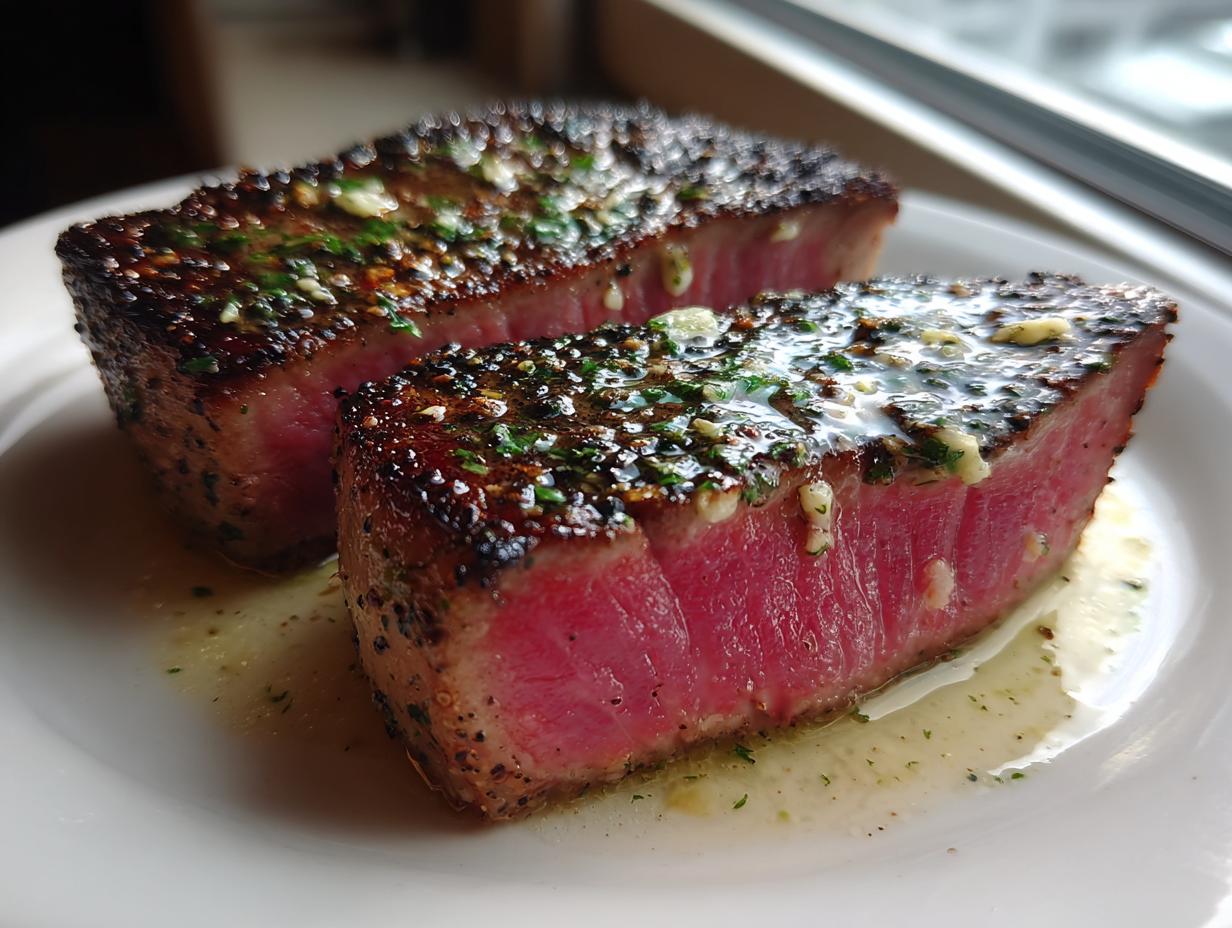
I swear, perfectly cooking seafood is where most home cooks throw their hands up in defeat. You’ve got this gorgeous, expensive-looking tuna steak, and you’re terrified of turning it into dry, chalky sadness. We’ve all been there! When I was juggling that demanding marketing career and trying desperately to eat well, I needed seafood that felt gourmet but could be done faster than takeout could arrive. That’s why I spent months perfecting this technique. Trust me, getting that restaurant-quality, perfectly seared tuna steak with a rosy, tender center is absolutely within your reach, and we’ll nail it in under 15 minutes using nothing more than a screaming hot pan and a killer garlic herb butter baste. You deserve a truly elegant weeknight seafood meal without the stress!
- Why This Garlic Butter Tuna Steak is Your New Favorite 15 Minute Tuna Recipe
- Gathering Ingredients for Your Perfect Tuna Steak
- Mastering the Pan Seared Tuna Steak Technique
- Tips for Success When Cooking Rare Tuna Steak
- Flavor Variations Beyond Garlic Butter Tuna Steaks
- Serving Suggestions for Your Elegant Weeknight Seafood
- Storage and Reheating Instructions
- Frequently Asked Questions About Cooking Tuna
- Nutritional Snapshot of This Lean Protein Fish Meal
- Share Your Perfectly Seared Tuna Steak Success
Why This Garlic Butter Tuna Steak is Your New Favorite 15 Minute Tuna Recipe
My whole philosophy here at Pure Plate Path is making wellness accessible, and nobody has time for complicated dinners during the week. This specific recipe is my silver bullet for those nights when I want something that tastes like I spent hours on it but took mere minutes to execute. We are talking about a lean protein fish meal that is quick, healthy, and looks absolutely stunning on the plate.
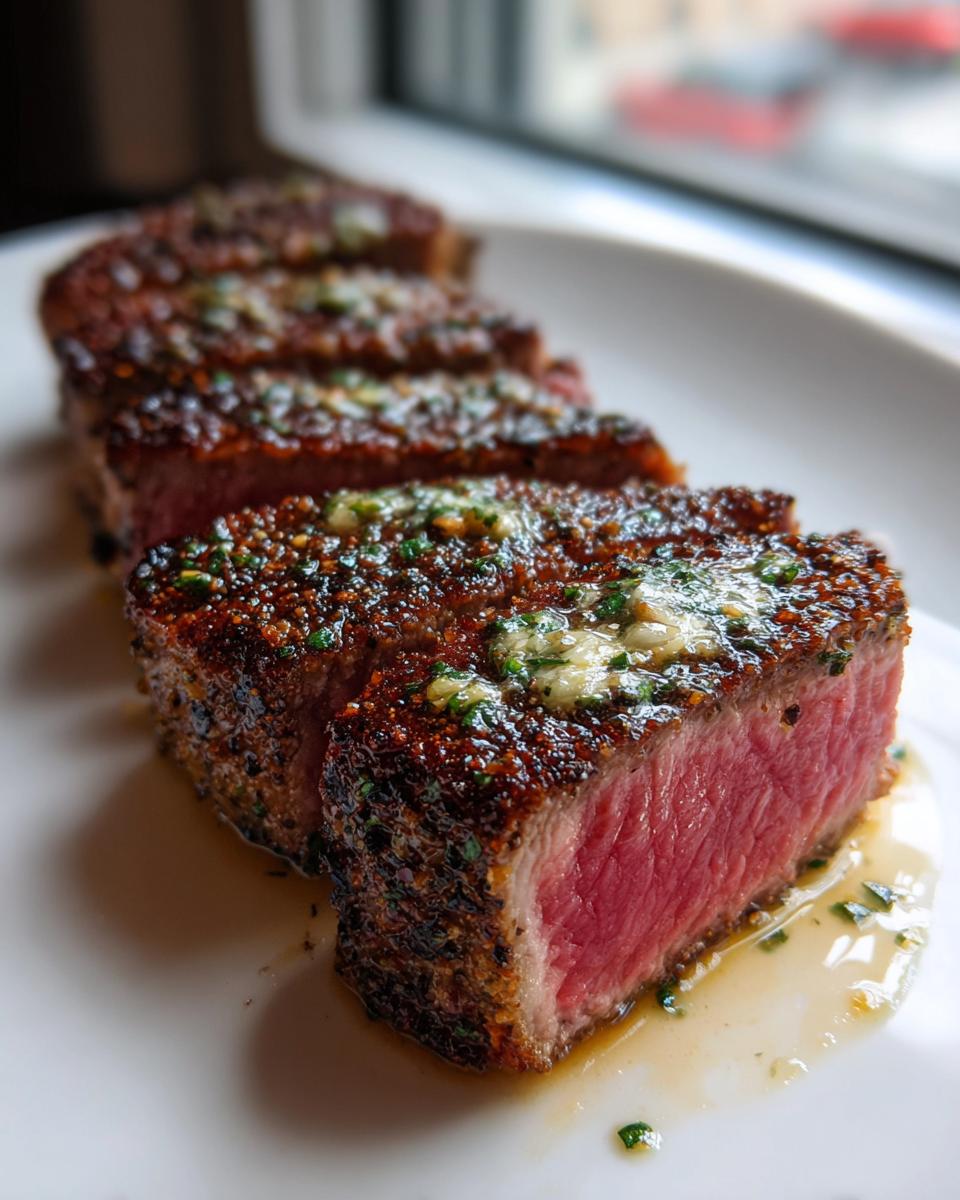
- It’s truly a 15 minute tuna recipe—prep time is minimal, cook time is almost nothing!
- It’s incredibly healthy, packing a serious punch of lean protein.
- It delivers uncompromising texture. Say goodbye to dry fish forever!
Speed and Simplicity: The Quick Seafood Dinner Promise
If you can boil water, you can handle this! Seriously, this is the ultimate easy tuna steak recipe for busy schedules. From the moment you pull your steaks out of the fridge to the moment you’re sitting down to eat, we’re looking at about 13 minutes if you hustle. It’s the perfect solution for a weeknight when you need an elegant upgrade without the typical hour commitment. This is my go-to move for a quick seafood dinner.
Gourmet Flavor Profile: Restaurant Quality Tuna Steak Finish
The secret weapon that takes this from simple fish to gourmet is that garlic herb butter baste. It infuses every fiber of the tuna steak with savory richness as it cooks. That combination of high heat and rich fat creates that crackly, dark crust you only see in fancy restaurants, while leaving the inside perfectly tender. Nobody will believe this restaurant quality tuna steak was ready before your favorite show started!
Gathering Ingredients for Your Perfect Tuna Steak
Okay, the magic of cooking a tuna steak perfectly—especially when going for that rosy, rare center—starts long before it hits the heat. Because we’re cooking this fish so fast, every single ingredient matters. Unlike a slow-cooked meal where flavors have time to meld and cover for lesser ingredients, here, the quality needs to shine through. We are relying on simplicity and freshness to give us that incredible, healthy high protein dinner boost.
Here is exactly what you’ll need on your counter. Make sure you have everything ready because once that pan gets hot, things move fast. Don’t forget your salt and pepper! They might seem basic, but they are crucial for drawing out moisture so we can get that crust.
You need:
- 2 (6-ounce) tuna steaks, aiming for about 1 inch thick. Thickness is key—too thin and you’ll overcook it instantly!
- 1 tablespoon of good olive oil—don’t skimp here, we need that high smoke point.
- 1/2 teaspoon coarse salt and 1/4 teaspoon black pepper.
- 4 tablespoons of unsalted butter. Yes, four! This is for flavor and basting later.
- 3 cloves garlic, minced very finely.
- 1 tablespoon fresh parsley, chopped—freshness makes a huge difference.
- 1 teaspoon fresh thyme leaves, picked right off the stem.
If you’re looking for something new for your meal rotation, you can check out some of my favorite simple lunch recipes later, but for now, focus on getting these items ready!
Ingredient Notes and Sourcing Tips for Ahi Tuna Recipe
Listen, if you take one thing away from this, let it be this: use the best tuna you can find. Since we are only cooking the outside and leaving the center rare, that tuna steak needs to be top tier. I always look for sushi-grade or sashimi-grade Ahi tuna—that usually means it’s been handled correctly and is safe to eat beautifully rare. This high-quality piece of fish is what sets the stage for that perfectly seared tuna steak.
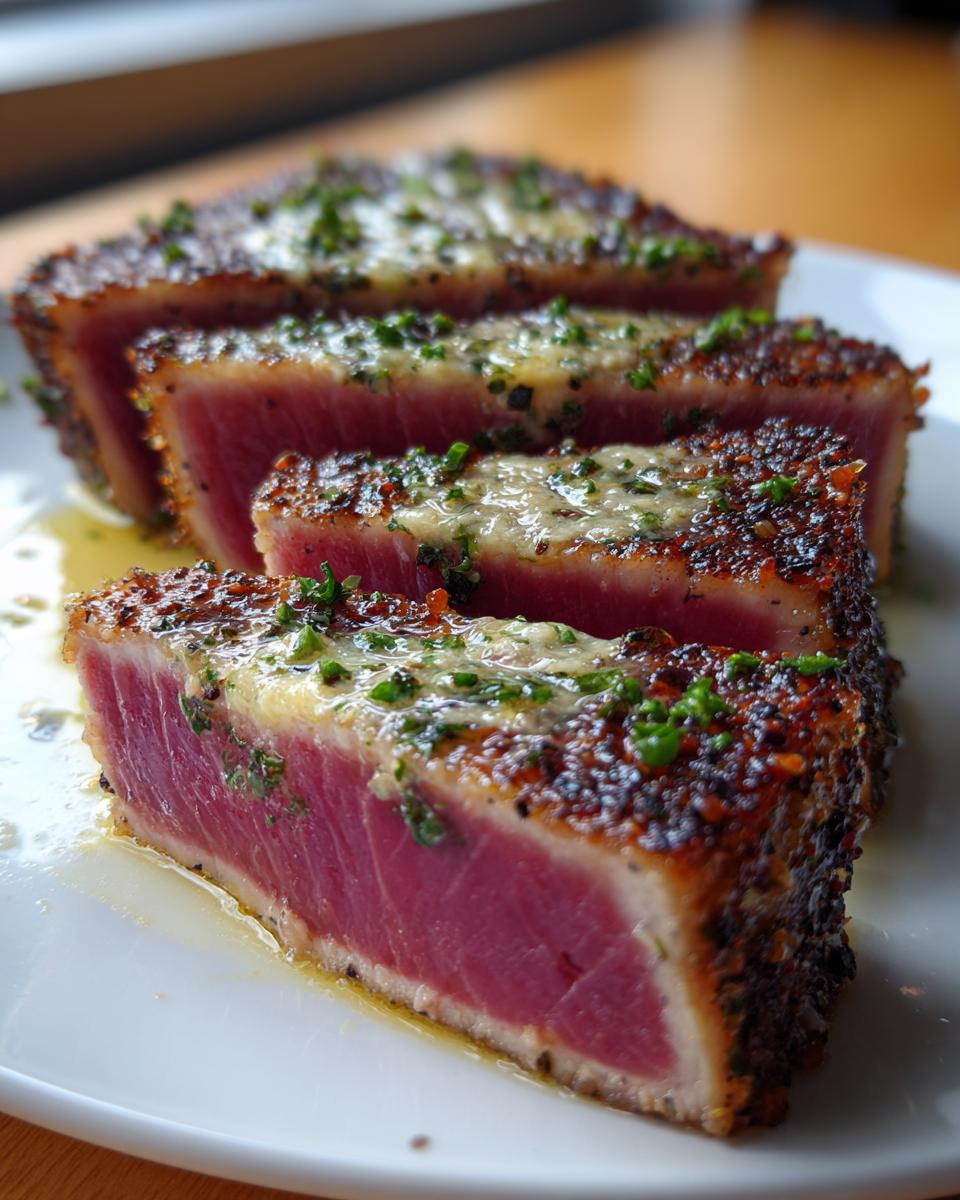
Don’t worry about marinating this one for hours; the magic happens fast right in the pan with the butter and herbs. That butter melts down with the garlic and coats the fish, locking in tenderness and adding huge flavor to what would otherwise just be seasoned fish. The garlic butter isn’t just for taste; it’s part of our secret technique for that tender tuna steak tips finish!
Mastering the Pan Seared Tuna Steak Technique
Alright, this is where we earn that beautiful mahogany crust and that perfectly pink center. Cooking a tuna steak to be rare inside isn’t magic, it’s just physics and timing! Since we are moving so quickly—we are talking less than five minutes of active cooking—heat management is everything. If your pan isn’t hot enough, the fish steams instead of searing, and we absolutely cannot have that. We are aiming for that incredible crust usually reserved for professional chefs.
Step 1: Preparation for a Flawless Tuna Steak Sear
You simply must pat the tuna steaks bone dry. I mean, use several paper towels and press firmly! Any residual moisture on the surface boils away instead of caramelizing, which completely destroys the crust we are chasing. Once they are dry as a bone, season both sides generously with salt and pepper. Don’t be shy with the salt; it helps draw out just enough surface liquid to ensure that beautiful Maillard reaction happens when it hits the heat.
Step 2: Achieving the Perfect Crust on Your Tuna Steak
Get your heaviest pan—cast iron is my favorite here—over high, high heat. Add your olive oil and wait until it’s shimmering, almost smoking faintly. That’s your signal! Carefully lay the seasoned tuna steak into that screaming hot pan. This is the hardest part: you absolutely cannot touch it for 1.5 to 2 minutes whatsoever. Resist the urge! This stationary time is what develops the deep color we want on the outside. Flip it over gently, and now we move fast to lock in that moisture and create that perfectly seared tuna steak look.
Step 3: The Garlic Butter Basting for Tender Tuna Steak
The second you flip the fish, drop in that butter, garlic, parsley, and thyme right around the edges of the pan. Tilt the pan toward you slightly so the butter pools. Now, grab a large spoon and scoop the hot, fragrant, foaming butter continuously over the top of the tuna steak for another 1 to 1.5 minutes. This technique is called basting, and it cooks the top surface gently while the bottom holds its crust. This infusion of flavor is making these garlic butter tuna steaks legendary!
Tips for Success When Cooking Rare Tuna Steak
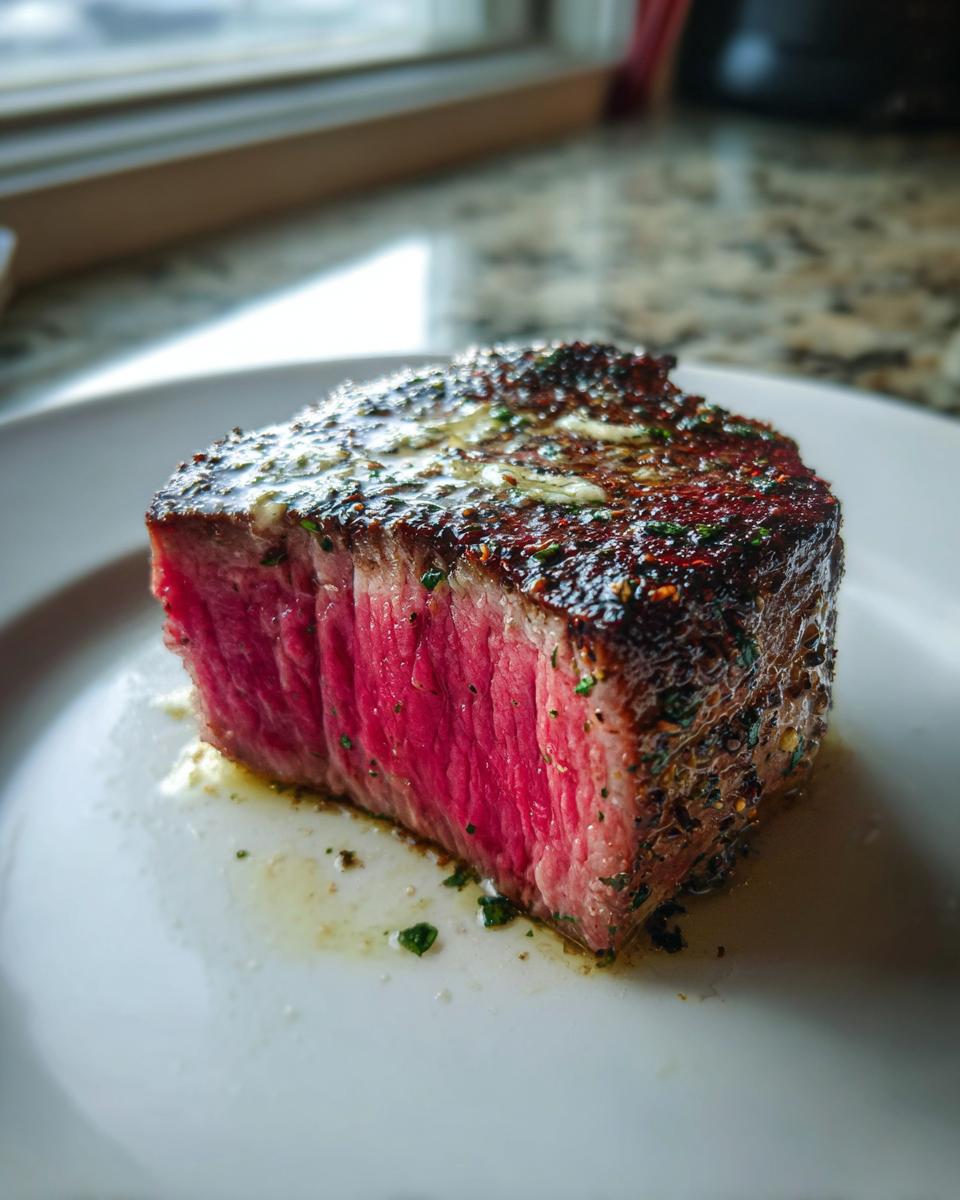
We’ve done the searing, and those gorgeous brown crusts are perfect. Now, we need to respect the fish! The number one way people ruin a beautiful, tender tuna steak is by cutting into it immediately or handling it too roughly after cooking. Since we cooked this fish hot and fast, the internal juices are running wild and need time to settle back into the muscle fibers. Trust me on this one; waiting just a few minutes transforms the texture from good to downright spectacular.
Remember, we are aiming for how to cook rare tuna steak, which means we need to be precise about temperature. If you have a meat thermometer handy (which I highly recommend for any fancy fish!), you are looking for 120°F for truly rare, or maybe 125°F if you creep into medium-rare territory. Pull it OFF the heat just before it hits that number because it will continue to cook while resting!
Resting and Slicing Your Tuna Steak
Once that gorgeous tuna steak is out of the garlic butter bath, you must let it rest for at least 3 minutes on a clean cutting board. Don’t cover it tightly, just let it hang out. This resting phase is non-negotiable if you want that succulent, rosy center to stay moist. If you slice it too soon, all that beautiful moisture you worked so hard to keep inside will just run out onto the board, leaving you with a slightly drier bite. Nobody wants that!
When it’s rested, grab your sharpest knife. You need to slice the tuna steak against the grain. If you look closely, you’ll see the muscle fibers running in one direction—always slice perpendicular (across) those lines. Slicing against the grain shortens those fibers, which is the secret to making every single piece of your perfectly seared tuna steak incredibly tender, almost melt-in-your-mouth easy to chew. It’s the final step to mastering this whole process!
Flavor Variations Beyond Garlic Butter Tuna Steaks
I absolutely love our garlic herb butter—it’s classic, right? But sometimes, you just need a flavor shake-up! Since you’ve mastered that base searing technique, adapting your tuna steak is shockingly easy. You are already using high heat and cooking fast, so changing the flavor profile just means swapping out the additions you throw in during the last minute of basting. This means you can pivot from elegant herb to punchy Asian flavors instantly. This is why learning how to cook a tuna steak well is so valuable—it opens up so many doors for a healthy high protein dinner.
Quick Sesame Ginger Tuna Alternative
If you’re leaning towards something brighter with a little umami kick, try this Asian swap. When you flip your tuna steak and add your fats in the pan, skip the butter, garlic, and herbs entirely. Instead, use 1 tablespoon of soy sauce and 1 teaspoon of sesame oil right into the hot pan. It will sizzle immediately! Tilt the pan and just baste the steak quickly with that soy-sesame mixture for about 60 seconds. It gives you that distinct salty, nutty flavor profile that works so beautifully with raw fish. You can even sprinkle some sesame seeds on top right before slicing for a little extra texture.
Ideas for a Blackened Tuna Steak Crust
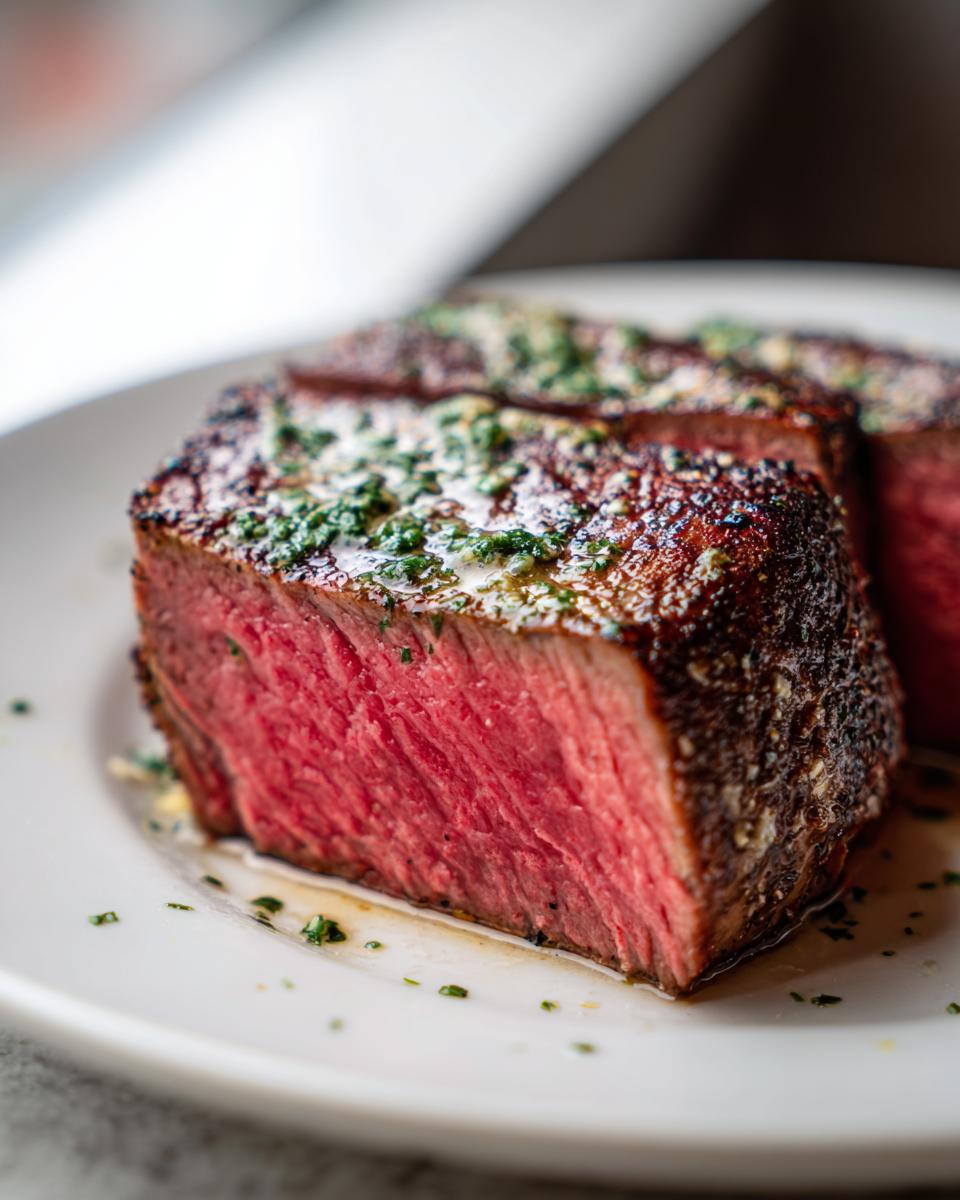
Okay, for those days when you want something bold and spicy, we pivot away from elegance toward intensity! This change happens *before* it hits the heat. Instead of just using plain salt and pepper in your initial seasoning rub, grab a pre-mixed blackened seasoning blend from the spice aisle. Pat your steaks totally dry, then rub that spicy blend all over them first—really press it in there. When you drop that tuna steak into the hot oil, you’ll get an incredible, smoky heat on that crust. Just cook as directed, skipping the herb basting step since you already have huge flavor built into the crust. It’s a fantastic way to get a different kind of perfectly seared tuna steak experience!
If you’re looking for ways to use up those bold flavors in another format, you should absolutely check out my recipes for steak tacos or maybe try incorporating those spices into a comforting tuna pasta bake later in the week!
Serving Suggestions for Your Elegant Weeknight Seafood
Now that you’ve mastered that incredible sear on your tuna steak, you need something equally quick and bright to serve it with! Honestly, a steak this flavorful doesn’t need much distraction, but a couple of simple sides can transform this into a complete, beautiful plate. We’re keeping these suggestions light and fresh so they complement the richness of the garlic butter, keeping the whole meal in line with a healthy high protein dinner vibe.
If I’m being quick, I always pair this with sharp greens. A simple, zesty kale salad with lemon parmesan is fantastic because the acidity cuts right through the creamy butteriness of the fish. For something a little warmer, I whip up some fluffy turmeric rice. It takes almost no hands-on time, adds a gorgeous golden color to the plate, and soaks up any leftover garlic butter that drips off the cutting board. Perfect!
Storage and Reheating Instructions
Even the best-cooked meal sometimes leaves delicious leftovers, and that’s true for our gorgeous tuna steak! But here’s a little heads-up: since we specifically cooked this fish to be perfectly rare or medium-rare inside, reheating it is tricky business. If you blast it in the microwave or throw it back in a hot pan, that residual heat will push the steak past rare and right into overdone town, making it dry and tough. Nobody wants that second-day sad fish!
The best advice I can give you for leftover tuna steak is to embrace it cold. Slice up any extras thinly—against the grain, remember?—and use it the next day on a salad. It’s fantastic chilled, almost like a rich, high-protein addition to your lunchtime greens. It’s great mixed into a little bit of soy sauce and sesame oil to turn it into a makeshift poke bowl component!
If you absolutely must reheat it, do it as fast and gently as possible. I mean lightning fast. Use a non-stick pan over medium-low heat, add literally one teaspoon of water or broth (not fat, we don’t want it to cook more!), and just warm the pieces through for about 20 seconds total, flipping once. You are just trying to take the chill off, not cook it again. It’s always safer just to enjoy that chilled, perfectly seared tuna steak the next day!
Frequently Asked Questions About Cooking Tuna
I know when you’re making something this quick and elegant, little questions can pop up right when you’re about to start! That’s why I wanted to gather a few quick answers here. When you’re aiming for that restaurant quality tuna steak finish, you don’t want guesswork—you want confidence. Hopefully, these tips ease any lingering worries about your seared ahi tuna recipe experience!
Can I use frozen tuna steaks for this recipe?
You absolutely can start with frozen, but you have to thaw them completely first. You cannot try to sear a partially frozen or even slightly cold tuna steak—it just won’t work with this high-heat method. For the best results, always use fully thawed fish. The best way to thaw is slowly in the refrigerator overnight. If you’re in a rush, place the sealed package in a bowl of cold water, changing the water every 30 minutes. Remember, the drier the surface is when you season it, the better that crust will form, so even after thawing, give those steaks a good, hard pat dry!
What is the best internal temperature for seared ahi tuna recipe?
This is the crucial part for nailing that perfect texture! Since we want a tender, rosy interior—the hallmark of a great seared ahi tuna recipe—you need to pull it off the heat when it’s slightly underdone. For truly rare, aim for an internal temperature of 120°F. If you are worried about eating fish rare, push it just a tiny bit further to 125°F for medium-rare. That residual heat, which we call carryover cooking, will nudge it up a degree or two while it rests. Anything over 130°F and you risk turning that beautiful tuna steak tough.
What kind of pan is best for a pan seared fish guide?
If you only take one piece of advice from this whole pan seared fish guide, make it this: use cast iron. Seriously, throw away the cheap aluminum pans for this job! Cast iron holds massive amounts of heat and distributes it evenly—that’s what gives you that deep, dark, even crust without overcooking the interior. If you don’t have cast iron, use the heaviest stainless steel skillet you own. Whatever pan you choose, you need it ripping hot before that oil goes in, and you need it to keep that temperature stable when you introduce the cold fish.
Nutritional Snapshot of This Lean Protein Fish Meal
One of the reasons I love this easy tuna steak recipe so much is that it fits perfectly into nearly any health-conscious plan. It’s such a powerful source of lean protein, and we aren’t bogged down with starches or high amounts of sugar, especially if you skip the optional glaze!
Since this is an estimate based on the plain steak and the garlic butter baste (excluding any heavy sauces), these numbers are fantastic for fitting into a clean eating framework. Remember, because we’re using high-quality tuna steak and just a bit of good fat for searing and basting, the results are impressively clean for such a flavorful meal. These figures are based on one 6-ounce steak serving.
Here is the nutritional rundown for this lean protein fish meal:
- Calories: Approximately 350 per serving
- Protein: A whopping 40 grams! That helps keep you full for hours.
- Total Fat: Around 20 grams (mostly healthy fats from the butter and oil, which we measure closely).
See? It’s a guilt-free indulgence that tastes like something from a fancy seaside restaurant. You get all that immense flavor from the garlic and herbs without ruining your macros! It’s simple, powerful eating, which is exactly what Pure Plate Path is all about.
Share Your Perfectly Seared Tuna Steak Success
Now that you’ve conquered the heat and achieved that gorgeous, rosy interior on your tuna steak, I really want to hear about it! Cooking is a journey, and seeing your successes is what keeps me motivated to share these simple, powerful ways to eat well without stress. Did you nail that high-heat sear? Was the garlic butter bath as fragrant as you hoped?
Please drop a rating below—five stars if your kitchen smelled like a five-star restaurant! And if you took a picture of that beautiful crust and tender center, I would absolutely love to see it. Tag us on social media so I can see your perfectly seared tuna steak masterpiece. It makes my entire week to know that these quick dinners are making it onto your real-life, busy dinner tables. Have questions or want to suggest another quick flavor swap? The comments section below is the perfect spot to connect!
If you need to get in touch directly about anything at all, feel free to reach out through my contact page. Happy cooking, and enjoy your new favorite easy seafood dinner!
PrintPerfect Pan-Seared Tuna Steak with Garlic Herb Butter
Learn the simple technique for achieving restaurant-quality, perfectly seared tuna steak with a rosy center in under 15 minutes. This quick recipe uses a rich garlic herb butter baste for incredible flavor, making it an elegant, healthy, high-protein dinner.
- Prep Time: 5 min
- Cook Time: 5 min
- Total Time: 13 min
- Yield: 2 servings 1x
- Category: Dinner
- Method: Pan-Searing
- Cuisine: American
- Diet: Low Fat
Ingredients
- 2 (6-ounce) tuna steaks, about 1 inch thick
- 1 tablespoon olive oil
- 1/2 teaspoon coarse salt
- 1/4 teaspoon black pepper
- 4 tablespoons unsalted butter
- 3 cloves garlic, minced
- 1 tablespoon fresh parsley, chopped
- 1 teaspoon fresh thyme leaves
Instructions
- Pat the tuna steaks completely dry using paper towels. Season both sides evenly with salt and pepper.
- Place a heavy-bottomed skillet (cast iron is best) over high heat. Add the olive oil. Wait until the oil is shimmering, almost smoking.
- Carefully place the tuna steaks into the hot skillet. Sear for 1.5 to 2 minutes without moving them to develop a dark crust.
- Flip the tuna steaks. Immediately add the butter, minced garlic, parsley, and thyme to the pan around the steaks.
- Tilt the pan slightly and use a spoon to continuously baste the melting garlic butter over the top of the tuna steaks for another 1 to 1.5 minutes for a rare center.
- Remove the tuna steaks from the pan immediately. Let them rest on a cutting board for 3 minutes before slicing against the grain.
- Serve immediately, spooning any remaining garlic butter from the pan over the sliced tuna steak.
Notes
- For a medium-rare center, aim for an internal temperature of 125°F. For rare, aim for 120°F.
- Use high-quality, sushi-grade ahi tuna steak for the best results when searing.
- If you prefer Asian flavors, substitute the herbs with 1 tablespoon of soy sauce and 1 teaspoon of sesame oil in the butter basting step.
Nutrition
- Serving Size: 1 steak
- Calories: 350
- Sugar: 0
- Sodium: 450
- Fat: 20
- Saturated Fat: 10
- Unsaturated Fat: 10
- Trans Fat: 0
- Carbohydrates: 1
- Fiber: 0
- Protein: 40
- Cholesterol: 100