

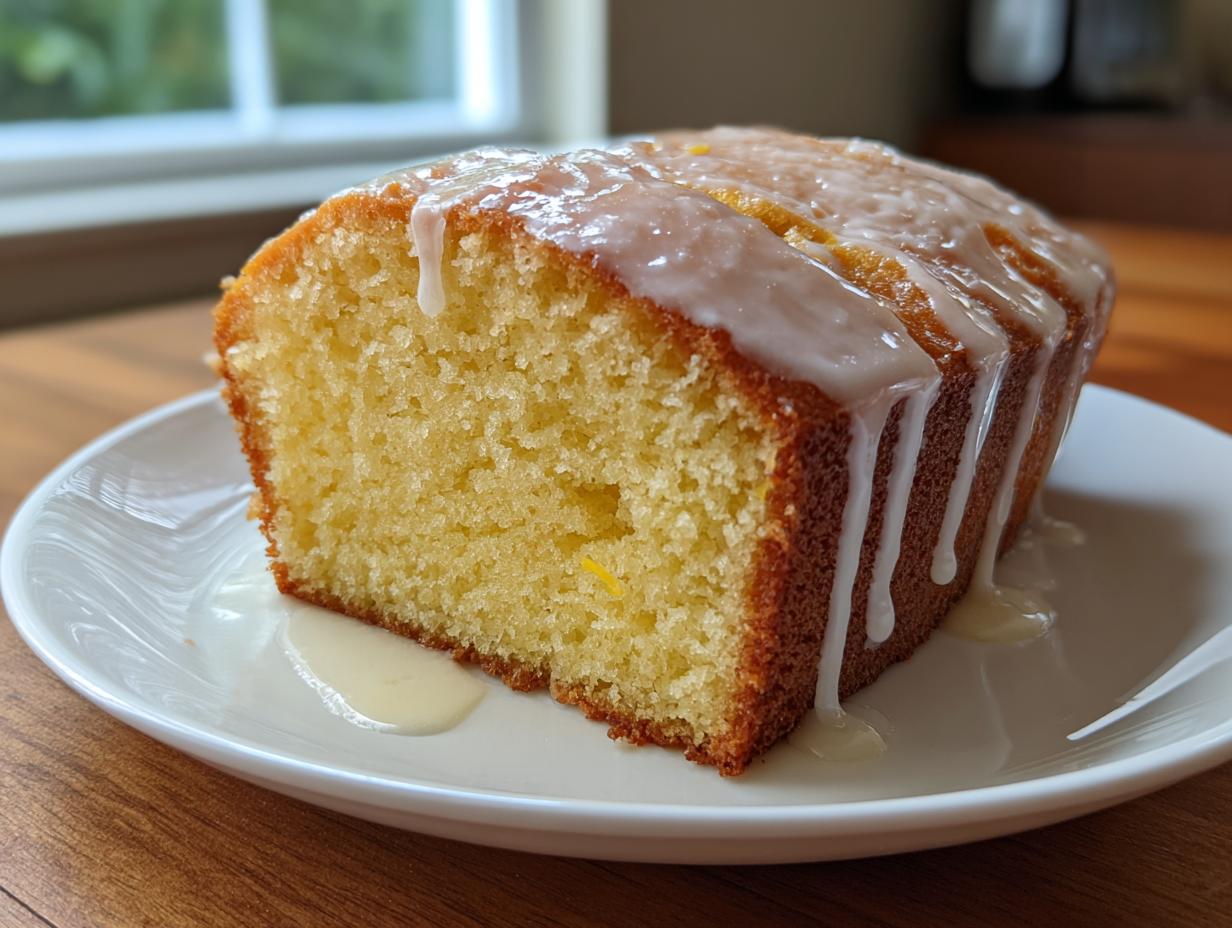
Oh, I know that craving! Sometimes you just need something utterly bright and comforting all at once, right? That’s why I’m practically bursting to share this lemon pound cake recipe with you today.
For me, baking is about reclaiming a moment of peace, and this cake delivers pure sunshine without any fussy steps. This isn’t just another citrus recipe; this is truly the Classic Moist Lemon Pound Cake that guarantees that rich, buttery texture you expect from a proper pound cake, paired with an intense, unforgettable lemon flavor.
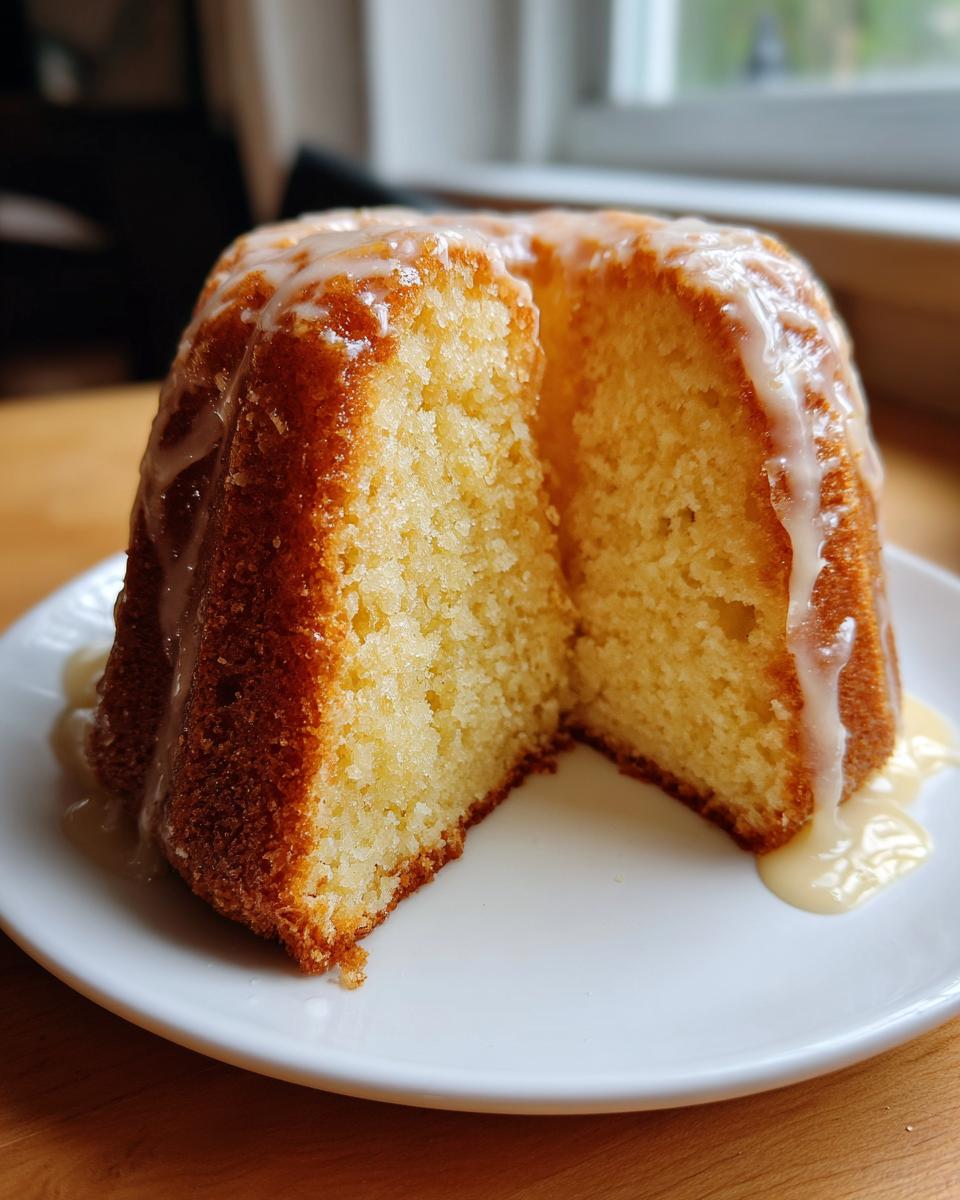
When I was navigating those crazy marketing years, baking something simple—but deeply flavorful like this—was my reset button. It proves you don’t need complicated techniques to achieve that bakery-quality result. Trust me, you’ll want to keep this foolproof recipe close by!
- Why This Is the Best Lemon Pound Cake You Will Ever Bake
- Gathering Ingredients for Your Classic Lemon Pound Cake
- Step-by-Step Instructions for the Perfect Lemon Pound Cake
- Tips for Success with Your Homemade Lemon Cake
- Variations on the Classic Lemon Pound Cake
- Serving Suggestions for Your Zesty Lemon Pound Cake
- Storage and Reheating Instructions for Lemon Pound Cake
- Frequently Asked Questions About Lemon Pound Cake
- Find Simplicity in Your Kitchen
Why This Is the Best Lemon Pound Cake You Will Ever Bake
Okay, so why am I insisting you drop everything and make this specific moist lemon pound cake recipe? Because it checks every single box for pure, uncomplicated joy in a dessert. Forget dry, crumbly cakes; we are aiming for that dense, satisfying bite that only a true buttery pound cake can provide.
It’s just a few key choices that make all the difference, and I walked through all the details so you don’t miss a trick. This cake keeps so well, too!
Achieving Ultra-Moist Texture
My biggest rule: everything has to be at room temperature! I know it seems finicky, but room-temperature butter and eggs whip up beautifully, which traps all that air needed for tenderness. Plus, using whole milk or, even better, a scoop of sour cream, ensures this cake stays unbelievably moist for days. Honestly, that slight tang from the sour cream just elevates the whole experience.
Intense, Bright Lemon Flavor in Your Lemon Pound Cake
We aren’t playing around with the flavor here. We use the zest *and* the juice. The zest is where all those beautiful aromatic oils live, giving you that immediate, bright lemon punch the second you cut a slice. The juice handles flavor while also working with the fat to keep the crumb tender. For a sweet and tart cake that truly sings, you need both!
If you want to bake another incredibly moist citrus delight, you have to try my olive oil cake recipe next!
Gathering Ingredients for Your Classic Lemon Pound Cake
Okay, let’s get our mise en place sorted! You know I always preach about using good ingredients, and for a citrus dessert recipe like this, fresh lemons are non-negotiable. They are the soul of this whole thing. Don’t even think about that bottled stuff; we want that bright lemon flavor that only real fruit can give you! Gathering everything first is one of the easiest steps to make sure this turns out to be a foolproof pound cake recipe.
For the Lemon Pound Cake Batter
Here is what you need to pull together for the main event. Remember what I said about temperature? Make sure your butter is actually soft, not melted, and those eggs have been sitting out on the counter for just a bit.
- 1 1/2 cups (3 sticks) unsalted butter, softened
- 3 cups granulated sugar
- 4 large eggs, room temperature
- 1 tablespoon lemon zest (from about 2 large lemons—get that yellow part only!)
- 1/4 cup fresh lemon juice
- 1 teaspoon vanilla extract
- 1/2 cup whole milk or sour cream (the sour cream makes it extra decadent!)
- 3 cups all-purpose flour
- 1 teaspoon baking powder
- 1/2 teaspoon salt
For the Zesty Lemon Glaze
This glaze is so simple, but wow, it makes all the difference when you drizzle it over the warm cake. It sets up beautifully and gives you that perfect sweet and tart finish.
- 2 cups powdered sugar
- 1/4 cup fresh lemon juice
If you decide you want a really thick, opaque coating—more of a frosting than a drizzle—just keep whisking in powdered sugar until you reach that perfect texture. If it gets too thick, a tiny splash more lemon juice loosens it right up!
Step-by-Step Instructions for the Perfect Lemon Pound Cake
Now for the fun part—watching this gorgeous batter come together! Remember, baking is a process, not a race. If we follow these steps carefully for our lemon pound cake, you’ll get that coveted tender crumb every single time. Don’t rush the waiting part; that’s crucial for structure!
Preparing the Pan and Creaming the Base
First things first: get that oven warmed up to 325°F (160°C). You want it ready when the batter is. Prep your pan now—lube it up good with butter and flour, especially if you’re using a tube pan. Then, we start the real magic in Step 2. Using your mixer, cream that softened butter and the sugar together for a full five minutes. Seriously, use a timer! This aeration step is what prevents a dense, heavy cake and gives us that light interior texture we are aiming for.
Combining Wet and Dry Elements for the Lemon Pound Cake
Once the butter is pale and fluffy, we beat in those room-temperature eggs, one at a time, making sure each one is fully incorporated before adding the next. Scrape the bowl down; we don’t want any unmixed butter hiding out! Next, mix in your lemon zest, juice, and vanilla. Now, for my favorite part: we alternate adding the dry mix (flour, powder, salt) and the milk or sour cream. Always start and end with the dry ingredients. Mix on low, and I mean *low*, just until the streaks disappear. You absolutely cannot overmix here, or you’ll activate too much gluten and end up with a tough cake!
Baking and Cooling Procedures
Pour that beautiful batter into your prepared pan and smooth the top. This monster cake usually takes 60 to 75 minutes to bake in a tube pan. If the top starts looking too dark around the 45-minute mark, don’t panic—just lay a piece of foil loosely over it. When a skewer comes out clean, it’s done! Let it cool right there in the pan on a wire rack for exactly 15 minutes. This slight cooling period gives the cake structure before we flip it over. If you try to drop it immediately, it might stick or break.
Applying the Zesty Lemon Glaze
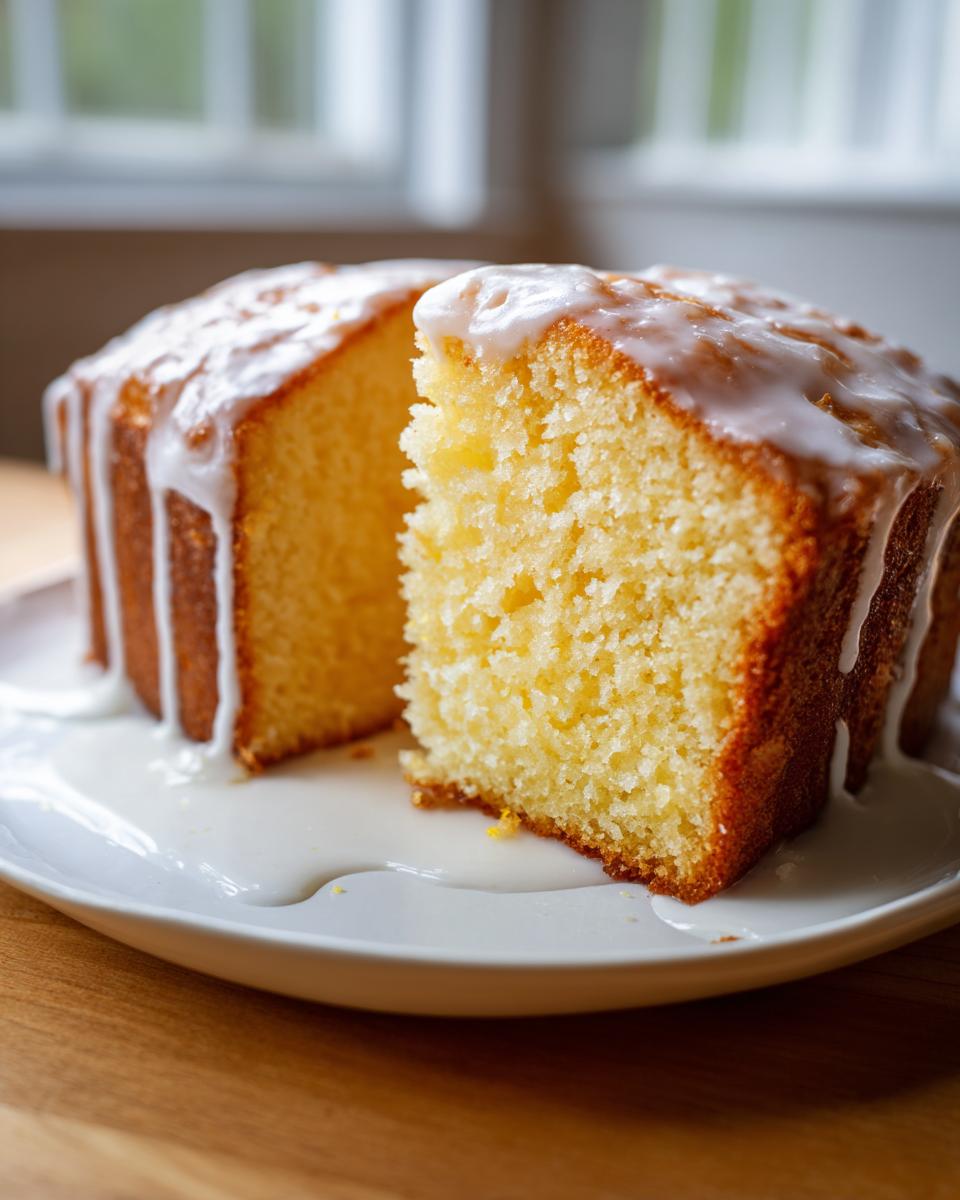
While that cake is cooling its heels for 15 minutes, whisk up your zesty lemon glaze. Just mix the powdered sugar and lemon juice until it’s totally smooth. If you want it thinner, add a bit more juice; if you want it thick and opaque, add a bit more sugar. Once you invert the cake onto that clean rack, drizzle that glaze right over the top while the cake is still a little warm. That warmth lets the glaze soak in just a tiny bit before it sets up perfectly. You can see my steps for making a simple chocolate frosting here, but honestly, for this lemon cake, you want the glaze!
Tips for Success with Your Homemade Lemon Cake
Even with this foolproof pound cake recipe, a few little insights from my own kitchen can make the difference between a good cake and a show-stopper. I learned these hard-won lessons so you don’t have to wreck a batch!
Remember those notes I gave you? First, using room temperature ingredients really is key for structure. Also, please, please use fresh lemons for that true, bright intensity. You simply can’t beat the flavor contrast in this citrus dessert recipe.

Here’s my personal trick to avoid that dreaded sinkhole in the middle: make sure you really scrape down the bowl after adding the eggs. If cold butter piles somehow pool at the bottom, they will bake unevenly, causing the center to collapse later. Also, don’t peek before the 60-minute mark! A sudden burst of cool air can deflate your beautiful work. If you love this style of moist treat, you might also enjoy my recipe for easy moist oatmeal muffins, which also relies on careful temperature control!
Variations on the Classic Lemon Pound Cake
I love making this base recipe work in different ways, too! Sometimes you walk into the kitchen needing a specific texture or flavor profile, right? While this version is the classic—using milk or sour cream—I’ve played around with additions that bring in those rich, decadent elements people go crazy for. Think about it: why not make it even more luxurious?
Making a Lemon Cream Cheese Pound Cake
If you absolutely love that denser, slightly richer texture you get from cheesecake elements, adding cream cheese is a fantastic move. You can easily transform this into a cream cheese pound cake hybrid. My favorite way is to substitute half (or even a whole 8-ounce block!) of the butter with full-fat cream cheese. Make sure the cream cheese is soft, too, just like your butter! Beat it right in when you start creaming the fats and sugar. It adds a wonderful tang that is just divine with the lemon.
Creating a Bakery Style Lemon Loaf Cake
If you’re planning on slicing this up for brunch or packing it for an afternoon treat, sometimes a loaf pan just feels right. Switching to a loaf pan means you’ll need to watch the oven diligently. The batter will be deeper in the pan, so while the outside might look done, the center will take longer to reach temperature. You might be looking at an extra 10 to 15 minutes on the baking time, depending on how deep your pans are.

This modification still gives you that gorgeous, bakery style lemon cake experience without needing that big tube pan. Just use the skewer test! If it comes out clean, those loaves are ready to be smothered in the glaze.
Serving Suggestions for Your Zesty Lemon Pound Cake
This beautiful, bright dessert deserves the right stage! Since this lemon pound cake is so wonderfully buttery and vibrant, it works perfectly for so many occasions. It’s definitely not just a dinner dessert, that’s for sure.
If you’re serving it up for a morning affair, think of it as the star of your next brunch spread. It pairs absolutely amazingly with strong coffee or maybe even a crisp mimosa. For something a little sweeter in the morning, try serving a thin slice next to some fresh berries—the tartness of the cake cuts right through the sweetness of the fruit.
And of course, it is my favorite kind of tea time cake! The deep yellow color and the glossy glaze look stunning just sitting on a simple plate next to an afternoon cup of Earl Grey. If you’ve got guests coming and want more citrus in your spread, you should check out my recipe for lemon scones. They use many of the same bright flavors, making for a lovely matching spread!
Storage and Reheating Instructions for Lemon Pound Cake
One of the biggest joys of a truly moist cake like this lemon pound cake is that it actually tastes better the next day! Because we put so much care into keeping the texture right—using all that butter and the milk or sour cream—it holds moisture beautifully.
But you do need to store it correctly, especially since we topped it with that lovely, slightly soft glaze. The glaze can get sticky if you wrap it too tightly when it’s still fresh, so give it at least an hour or two for the glaze to set up firm before you cover it.
For short-term storage, simply wrap the entire cooled cake snugly in plastic wrap, and then pop it into an airtight container. If you used a tube pan, keeping it on the removable bottom helps maintain its shape. It’ll stay wonderfully fresh on the counter at room temperature for about three days. After that, you might notice the intensity of the lemon flavor dropping just a little bit, but it will still be perfectly edible.
Now, if you made this gorgeous homemade lemon cake for a crowd and have leftovers, freezing is your best friend! I always slice my pound cakes before freezing; it makes thawing single servings so much easier later on. Wrap each slice individually, very tightly, in plastic wrap, and then put those wrapped slices into a heavy-duty freezer bag. It keeps perfectly fine for up to three months, and the texture bounces right back when thawed on the counter for a few hours!
Frequently Asked Questions About Lemon Pound Cake
I know when you’re diving into a new recipe, especially one you really want to get right—like this beautiful lemon pound cake—you might have a few little questions pop up at the last minute. That’s totally normal! Baking is just like any other skill; it takes a little practice. Here are the things I get asked most often about achieving that perfect sweet and tart cake at home.
Can I use bottled lemon juice instead of fresh lemons in this lemon pound cake recipe?
Oh, I really wish I could say yes, but if you want the *best* flavor, you’ve got to use fresh! The bottled stuff just doesn’t have those bright, volatile oils from the zest, and sometimes it has a slightly metallic edge that ruins that pure citrus note we’re aiming for. If you are truly stuck and it’s an emergency, use bottled juice for the glaze, but for the cake batter itself, try to stick to the fresh juice and zest for the full experience. For more ideas on easy dinner solutions after your sweet baking, check out my easy pizza pasta bake!
Why did my pound cake sink in the middle?
That is the absolute worst moment, isn’t it? Most of the time, sinking happens for one of two reasons, both related to structure. First, if you didn’t cream the butter and sugar long enough at the start—remember that full five minutes?—you didn’t create enough stable air pockets to hold the cake up. Second, if you open the oven too early or too often, the temperature suddenly drops and deflates the structure before it’s fully set. Make sure you test doneness only after 60 minutes and don’t rely on peeking!
How do I make the glaze thicker for a more opaque pound cake with lemon drizzle?
That’s easy! You just control the ratio of sugar to liquid. If your glaze is too thin and just running off the sides like a clear coat, simply whisk in more powdered sugar, one tablespoon at a time, until it starts looking thick and slightly paste-like. It should move slowly, like thick honey. When you pour it over the cake, it will create that beautiful, opaque white coat that looks exactly like the coffee shop versions of this amazing lemon loaf cake!
Find Simplicity in Your Kitchen
Baking this classic pound cake recipe really shows that nourishment doesn’t have to equal complexity. Creating something this vividly flavorful right from your own oven is such a rewarding moment of peace, isn’t it? That’s the core philosophy behind Pure Plate Path—finding that simple, beautiful connection to the food we eat, even when life gets busy.
I truly hope this lemon pound cake brings a little burst of sunshine into your week, whether you’re enjoying it for a weekend brunch or just pairing a slice with a quiet cup of tea. It’s moments like these that remind us why cooking from scratch is so important.
Now, I really want to hear what you think! Did you manage to get that perfect, zesty lemon flavor? Did you try the sour cream version? Please drop a star rating below and let me know how your beautiful cake turned out. Your feedback helps me keep sharing recipes that are genuinely practical and delicious! You can always read more about my own journey and why I believe in simple, whole ingredients over here. And if you loved this, don’t forget to check out that great lemon recipe I tagged for you!
PrintClassic Moist Lemon Pound Cake with Zesty Glaze

Bake this classic lemon pound cake from scratch for an ultra-moist, buttery texture and bright citrus flavor. The simple, zesty lemon glaze makes this dessert perfect for brunch or tea time.
- Prep Time: 20 min
- Cook Time: 70 min
- Total Time: 90 min
- Yield: 10 servings 1x
- Category: Dessert
- Method: Baking
- Cuisine: American
- Diet: Vegetarian
Ingredients
- 1 1/2 cups (3 sticks) unsalted butter, softened
- 3 cups granulated sugar
- 4 large eggs, room temperature
- 1 tablespoon lemon zest (from about 2 large lemons)
- 1/4 cup fresh lemon juice
- 1 teaspoon vanilla extract
- 1/2 cup whole milk or sour cream
- 3 cups all-purpose flour
- 1 teaspoon baking powder
- 1/2 teaspoon salt
- For the Glaze: 2 cups powdered sugar
- For the Glaze: 1/4 cup fresh lemon juice
Instructions
- Preheat your oven to 325°F (160°C). Grease and flour a 10-inch tube pan or a standard loaf pan.
- In a large bowl, cream together the softened butter and granulated sugar with an electric mixer until the mixture is light and fluffy, about 5 minutes.
- Beat in the eggs one at a time, mixing well after each addition. Scrape down the sides of the bowl as needed.
- Mix in the lemon zest, 1/4 cup lemon juice, and vanilla extract until just combined.
- In a separate bowl, whisk together the flour, baking powder, and salt.
- Gradually add the dry ingredients to the wet ingredients, alternating with the milk or sour cream, beginning and ending with the flour mixture. Mix on low speed until just combined; do not overmix.
- Pour the batter into the prepared pan and spread evenly.
- Bake for 60 to 75 minutes, or until a wooden skewer inserted into the center comes out clean. If the top browns too quickly, loosely tent it with foil.
- Let the cake cool in the pan on a wire rack for 15 minutes.
- While the cake cools slightly, prepare the glaze: Whisk together the powdered sugar and 1/4 cup lemon juice until smooth. Add more powdered sugar for a thicker glaze or more juice for a thinner one.
- Invert the cake onto the wire rack. Drizzle the lemon glaze evenly over the warm cake, allowing it to soak in and drip down the sides.
- Let the glaze set before slicing and serving.
Notes
- Use room temperature ingredients, especially butter and eggs, for the best cake structure and moisture.
- For an extra bright lemon dessert flavor, use fresh lemons for both the zest and juice.
- If you prefer a loaf cake, bake time may be closer to 50–60 minutes depending on the pan size.
Nutrition
- Serving Size: 1 slice
- Calories: 450
- Sugar: 45g
- Sodium: 250mg
- Fat: 25g
- Saturated Fat: 15g
- Unsaturated Fat: 10g
- Trans Fat: 0.5g
- Carbohydrates: 58g
- Fiber: 1g
- Protein: 5g
- Cholesterol: 90mg