
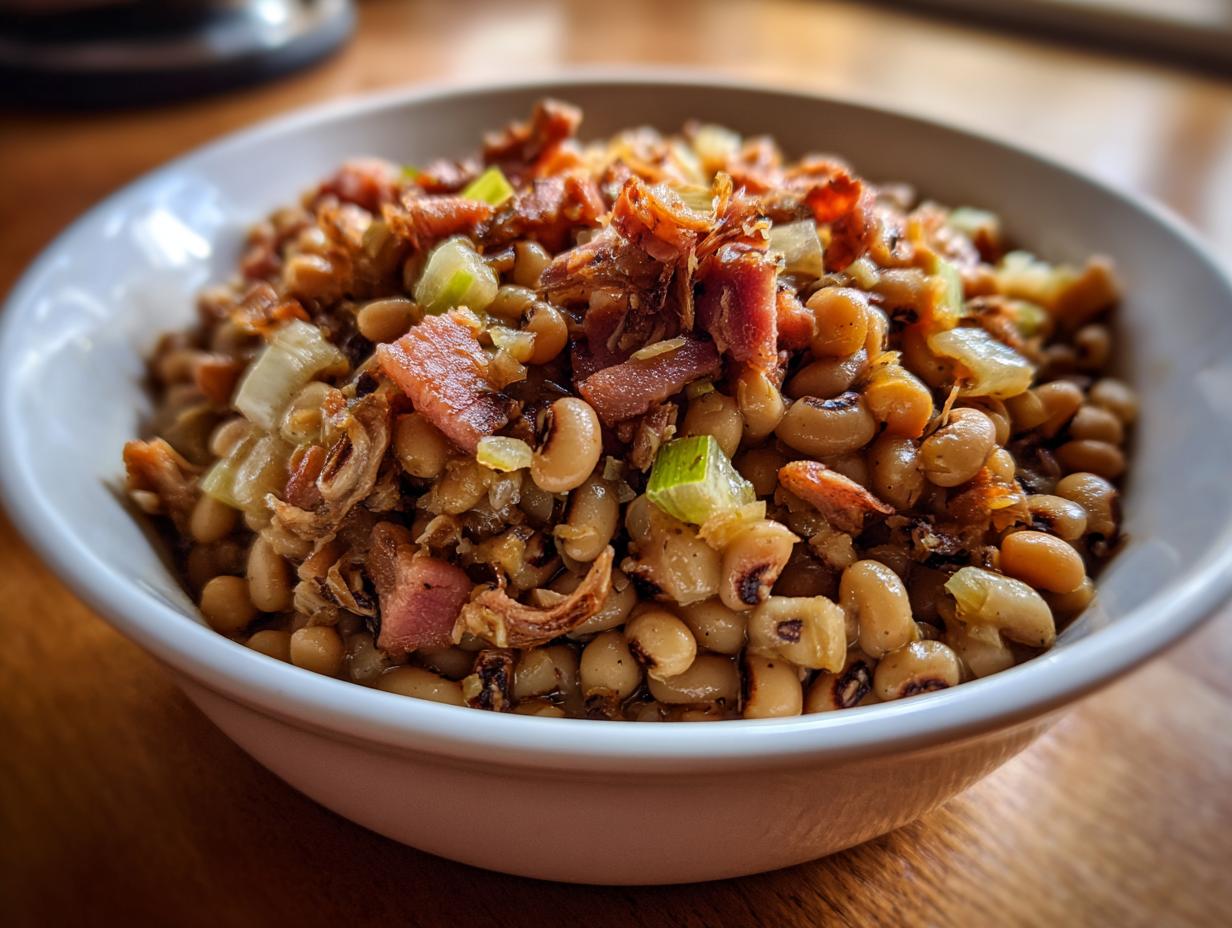
You know those dishes that aren’t just food, but actual hugs in a bowl? For me, that’s always been a steaming plate of deeply savory, perfectly cooked black eyed peas. This isn’t just another bean recipe; it’s the heart of Southern tradition, the ultimate comfort food that every family needs, especially as we head into New Year’s Day for that essential good luck ritual.
When I started Pure Plate Path, I wanted to capture flavors just like this—dishes that remind you of home, even when life gets hectic. My own memories are filled with the aroma of slow-simmered goodness. This Authentic Creamy Southern Black-Eyed Peas recipe truly delivers that depth. We’re skipping the shortcuts to give you the rich, smoky flavor our tradition demands. Trust me, once you get this texture right, you’ll never go back! You can read more about the inspiration behind keeping these classics alive on our About Page.
- Why This Authentic Creamy Southern Black-Eyed Peas Recipe Works
- Gathering Ingredients for Flavorful Black Eyed Peas
- How to Cook Black Eyed Peas Stovetop: Step-by-Step Instructions
- Easy Slow Cooker Black Eyed Peas for Convenience
- Tips for Success with Traditional Southern Side Dishes
- Serving Suggestions for Your Black Eyed Peas with Ham Hock
- Storage and Reheating Smoky Black Eyed Peas Recipe
- Frequently Asked Questions About Black Eyed Peas
- Share Your Comfort Food Legumes Experience
Why This Authentic Creamy Southern Black-Eyed Peas Recipe Works
We are making these the old-fashioned way because frankly, that’s where the soul lives in this dish! I’ve tried cutting corners, and it just wasn’t the same. If you want that deep, comforting taste that sticks with you, you have to respect the process. This recipe locks in complexity from the very first step.
- For the best flavor, you need depth, and that comes from pairing the peas with something deeply smoky and savory—no cheating here!
- We rely on long, slow cooking rather than fast pressure cooking. This lets the starches break down naturally, leading to that luxurious, almost velvety texture.
- This combination guarantees that your black eyed peas taste exactly like they should: rich, hearty, and true to tradition. If you’re looking for more quick fixes, check out some of my easy weeknight dinners, but this one deserves the slow simmer!
Achieving True Southern Black Eyed Peas Flavor
The secret weapon here is the smoked meat, whether it’s a big, salty ham hock or a few slices of thick bacon. When that meat simmers with the liquid for hours, it slowly releases all that beautiful smoky essence into every single pea. It’s what transforms simple legumes into true Southern comfort food. You can really taste the history in that smoke!
Tips for Creamy Black Eyed Peas Texture
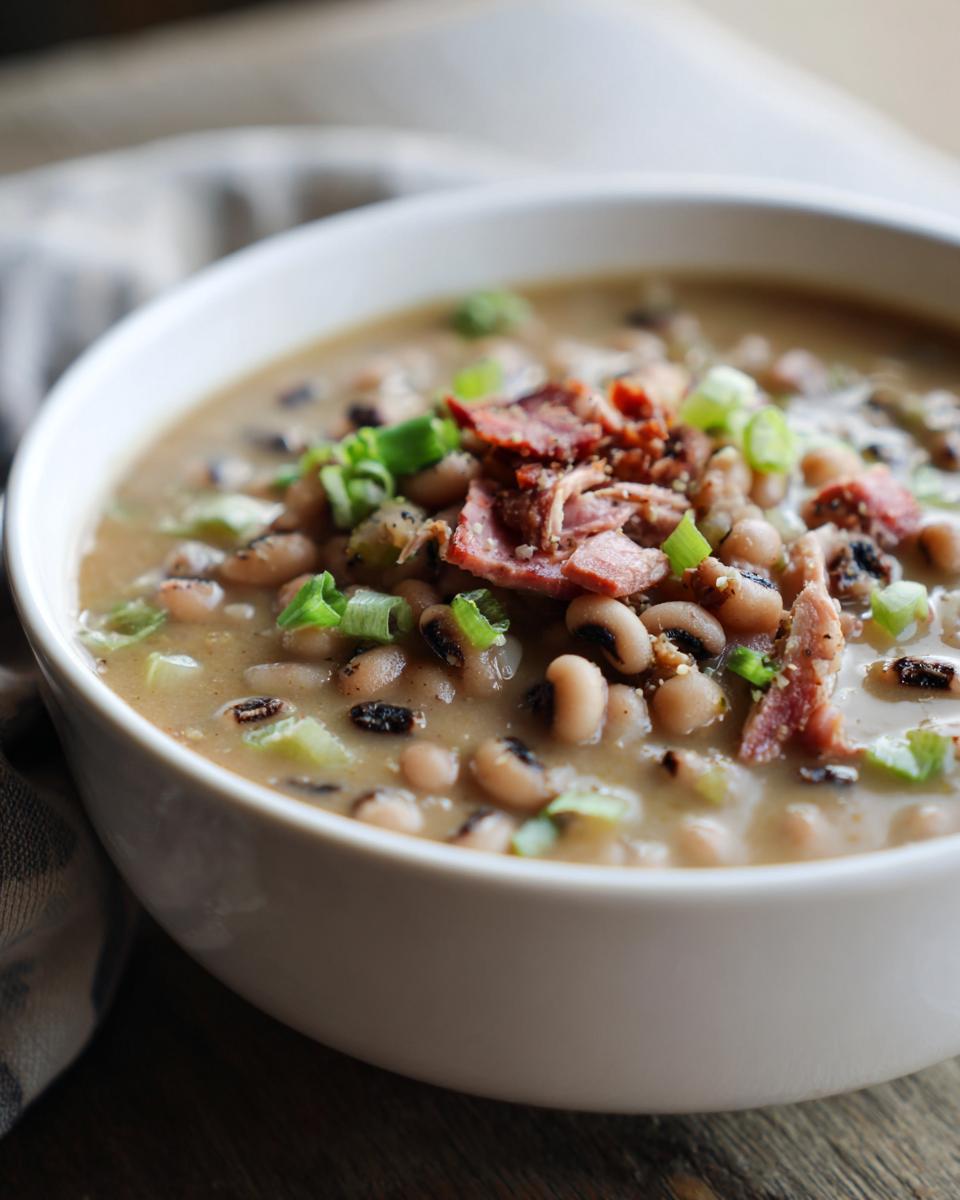
Creaminess is key! While the slow simmer does most of the heavy lifting, you can give it a little nudge if your peas are stubborn. Right near the end, if you scoop out maybe a cup of the cooked black eyed peas and mash them up with a fork—or even blitz them quickly—then stir that paste back in, it thickens the pot instantly. It’s a great trick for getting that lush, perfect consistency every time.
Gathering Ingredients for Flavorful Black Eyed Peas
Okay, let’s talk turkey, because the quality of your ingredients dictates the quality of your final pot of black eyed peas. You don’t need a mile-long shopping list, but you do need the right players on your team. Everything needs to be prepped before the heat goes on. Make sure you give your dried peas a good rinse and a quick once-over to check for any tiny stones—that’s just good old-fashioned kitchen sense.
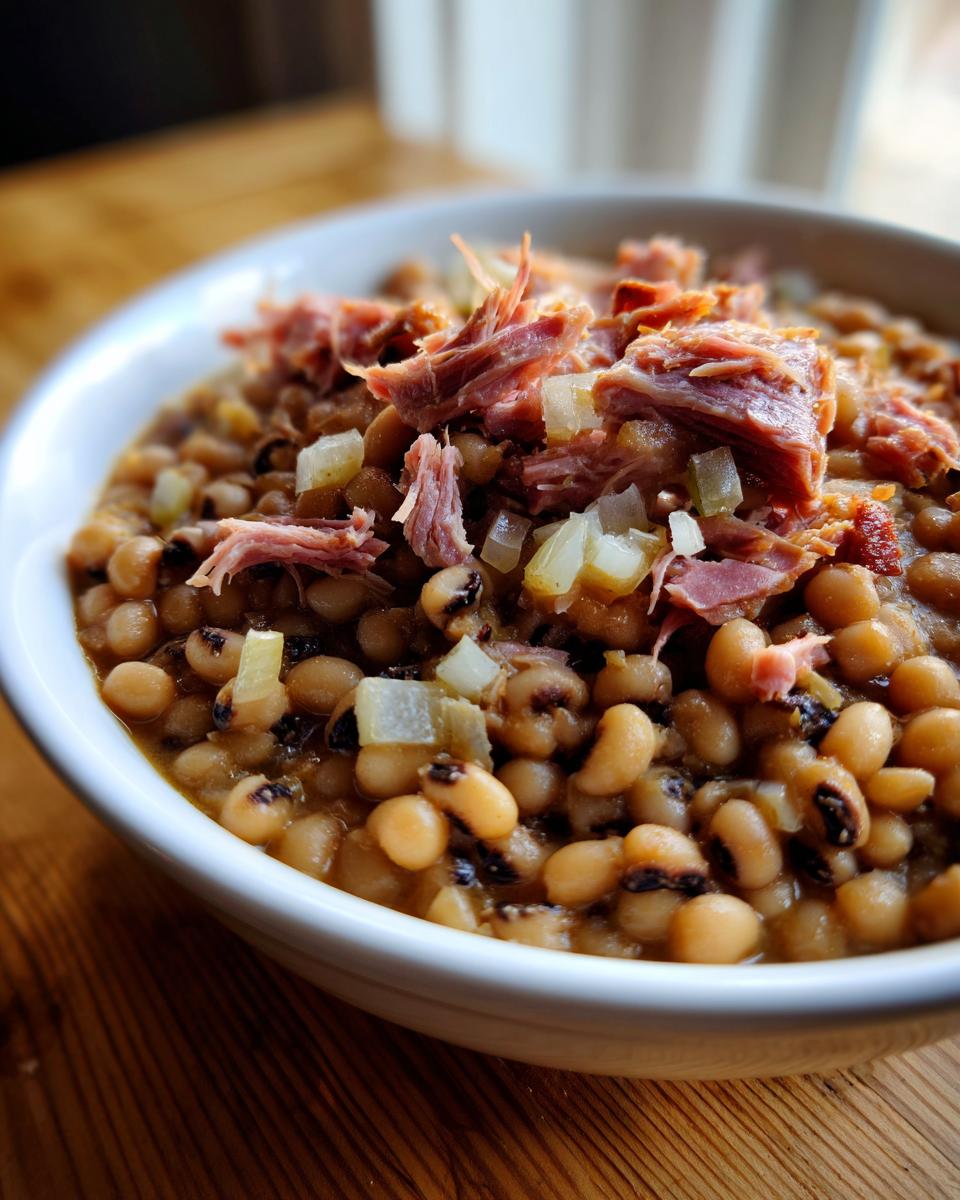
Beyond the peas themselves, we need your aromatics—onion and celery—chopped nice and even, and some fresh garlic. That smoked meat we talked about? That’s your flavor powerhouse. If you want deeply smoky black eyed peas, you have to start with quality smoked meat. Think of it as the foundation of our comfort dish!
Meat Component Options: Ham Hock vs. Bacon
When shopping, I usually look for a nice, hefty smoked ham hock if the store has them. It adds so much collagen and flavor as it melts down over those two hours. If you can’t find one, don’t panic! Four slices of thick-cut bacon, chopped up, work wonderfully. Bacon renders down beautifully and gives you those crispy bits you can fish out and put right back on top at the end. Either way, we want *smoked*—that’s non-negotiable for that authentic taste.
How to Cook Black Eyed Peas Stovetop: Step-by-Step Instructions
Alright, time to get this pot bubbling! Cooking these black eyed peas on the stovetop is my favorite way because you can really watch the magic happen, plus you get that fantastic aroma filling the whole house. We’re layering flavor right from the start, so make sure you have your big Dutch oven ready to go. Don’t worry about soaking the dried peas first; simmering them slowly from the start is how we get that creamy texture we’re hunting for! If you ever want to try a super simple base for dipping, I have a recipe for creamy garlic sauce that is shockingly good.
Building the Base Flavor for Southern Black Eyed Peas Recipe
First things first: don’t turn the heat on yet! We start by getting absolutely everything into the pot. That means your rinsed peas, your broth or water, that smoky ham hock or chopped bacon, all your chopped onion and celery, the minced garlic, and all those wonderful spices—the thyme, the paprika, and that essential bay leaf. Settling them all in together before heating ensures that the meat starts flavoring the surrounding liquid immediately. It’s a gentle introduction to the long simmer ahead.
Simmering and Finishing the Black Eyed Peas
Now we turn the heat up to high and bring that whole mixture to a rolling boil. As soon as it hits that boil, you need to drop the heat way down low, cover it up, and let it go! We’re looking at about an hour and a half to two hours. You have to stir every 20 minutes or so; that prevents the bottom from scorching. During the last 15 minutes, once the peas are soft, stir in that splash of apple cider vinegar—it wakes up all those deep, smoky flavors in your black eyed peas. That little bit of acid makes a huge difference!
Easy Slow Cooker Black Eyed Peas for Convenience
I totally get it. Sometimes two hours simmering on the stovetop just isn’t practical, especially when you’re juggling other holiday sides or just trying to keep up with the kids. That’s where the Crock Pot—my absolute lifesaver in busy seasons—comes in handy for these black eyed peas! It’s so simple, you just toss everything in, set it, and forget it until it’s time to eat.
This honestly makes for the best Slow Cooker Black Eyed Peas because the low, slow heat breaks down the starches and really lets the smoky flavor from the ham hock or bacon marry perfectly with the liquid. You have two main timing choices, depending on when you need dinner on the table. If you can plan ahead, setting it low for about 6 to 8 hours gives you an incredibly tender result. If you’re starting mid-morning, cook them on High for 3 to 4 hours.
Remember the key flavor boosters from the stovetop version? They still matter here! Make sure you drop in your onion, celery, garlic, spices, and that crucial smoked meat right at the beginning. The salt, pepper, and that bright splash of vinegar? Those should still wait until the last hour of cooking, regardless of which temperature setting you choose. It stops the peas from getting too tough late in the cooking cycle. If you’re looking to try substituting some ingredients for dietary needs, you might enjoy my recipe for easy baked teriyaki salmon; it uses a similar convenience philosophy. You won’t believe how flavorful these black eyed peas can be with zero babysitting!
If you want to see how others use the slow cooker for this classic, check out this great resource on Slow Cooker Black Eyed Peas.
Tips for Success with Traditional Southern Side Dishes
Making a truly authentic side dish like this requires a little intuition alongside the written steps. I always tell people that cooking tradition is more about feeling than just following lines on a page. While my stovetop method skips the overnight soak—because those dried peas tend to get mushy if you add the ham hock too early anyway—there are still a couple of points where you need to pay attention to your pot!
For instance, the amount of liquid needed can change based on how old your dried peas are or how fiercely your pot simmers. Don’t be afraid to peek under the lid during that long cooking time. I rely on my gut feeling, but a good rule of thumb is to keep the liquid just covering the peas plus about an inch. If you’re using a Dutch oven, you’ll likely lose more steam than you would otherwise.
If you’re having trouble getting that perfect texture, or if you notice the bottom of the pot is just too thick, you need to add more moisture. Don’t just pour in cold water during the simmer; that shocks the peas. Always have some hot water or warm broth ready to go. Add just a half-cup at a time, stir gently, and let it incorporate back into the simmer. That keeps the heat steady and helps us achieve those wonderfully Creamy Black Eyed Peas we’re aiming for. If you’re looking to try substituting some ingredients for dietary needs, you can see some great advice on alternative methods found at Authentic Southern Black-Eyed Peas: Easy Recipe.
Adjusting Liquid for Optimal Creamy Black Eyed Peas
Consistency is everything when you want that true Southern feel. If your mixture keeps developing too thick too fast, it means you risk scorching those lovely starches on the bottom of the pot, and nobody wants that gritty texture. When I make my black eyed peas, I always check around the 90-minute mark. If the liquid has reduced significantly and the peas are starting to look dry on the surface, it’s time to introduce more heat! A gentle splash of hot broth helps maintain momentum without cooling everything down.
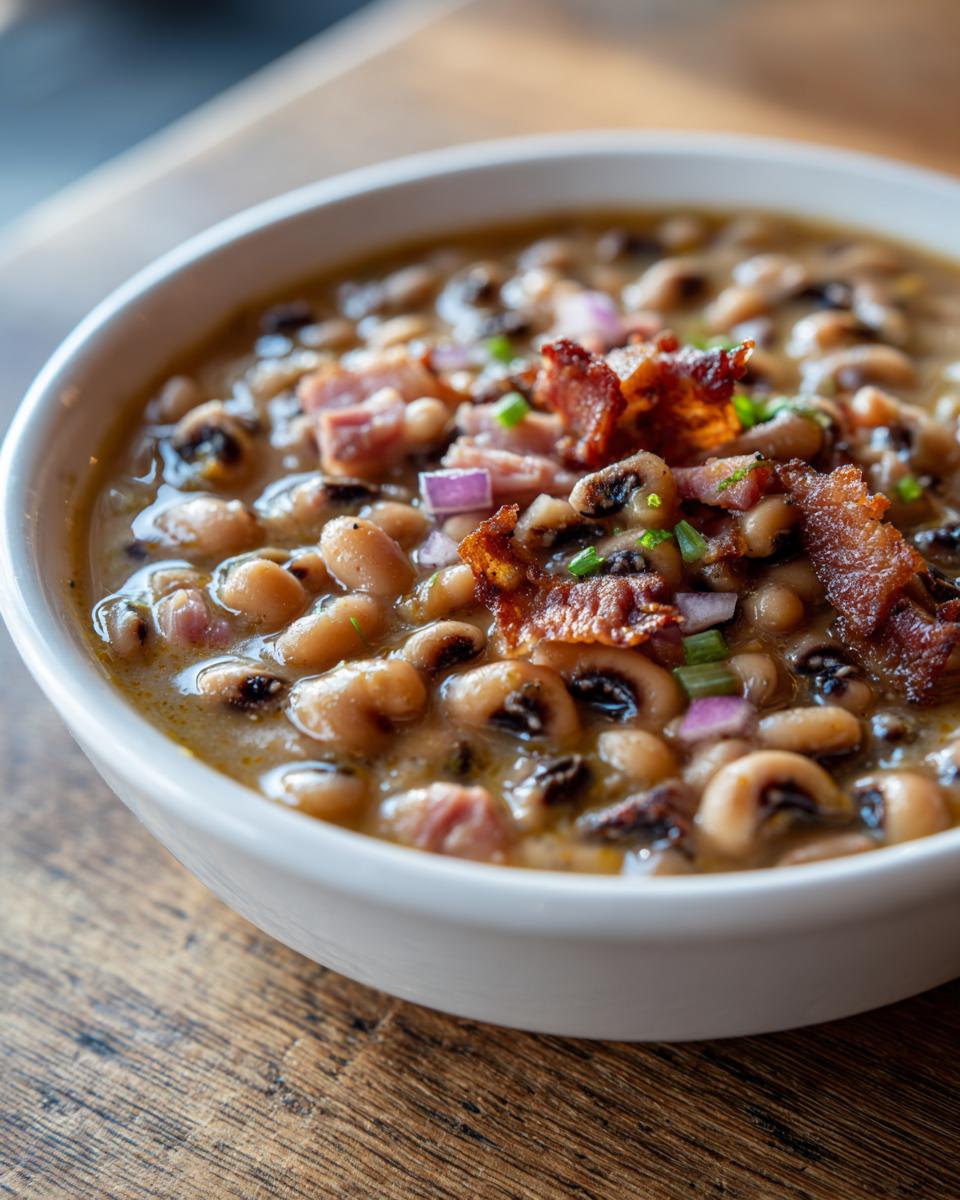
Conversely, if you end up with a soupy mess—which happens if you started with too much broth—you can always thicken it up! I save my readers the trouble of making a separate slurry by telling them to remove a cup of the cooked peas, mash them really well right in a bowl, and stir that thick mash right back into the pot. It disperses perfectly and creates the most gorgeously thick consistency for your black eyed peas.
For tips on balancing flavors in other hearty dishes, my recipe for easy lasagna with ricotta has some great advice on layering wet and dry ingredients for perfect texture management.
Serving Suggestions for Your Black Eyed Peas with Ham Hock
Once you have that perfectly smoky, creamy pot ready, the big question is: what goes next to it on the plate? A pot of these seasoned legumes isn’t really a meal unless it’s brought together with its traditional partners. This is where we honor the complete Southern experience! Trust me, you don’t want to serve these beauties alone—they need their entourage.
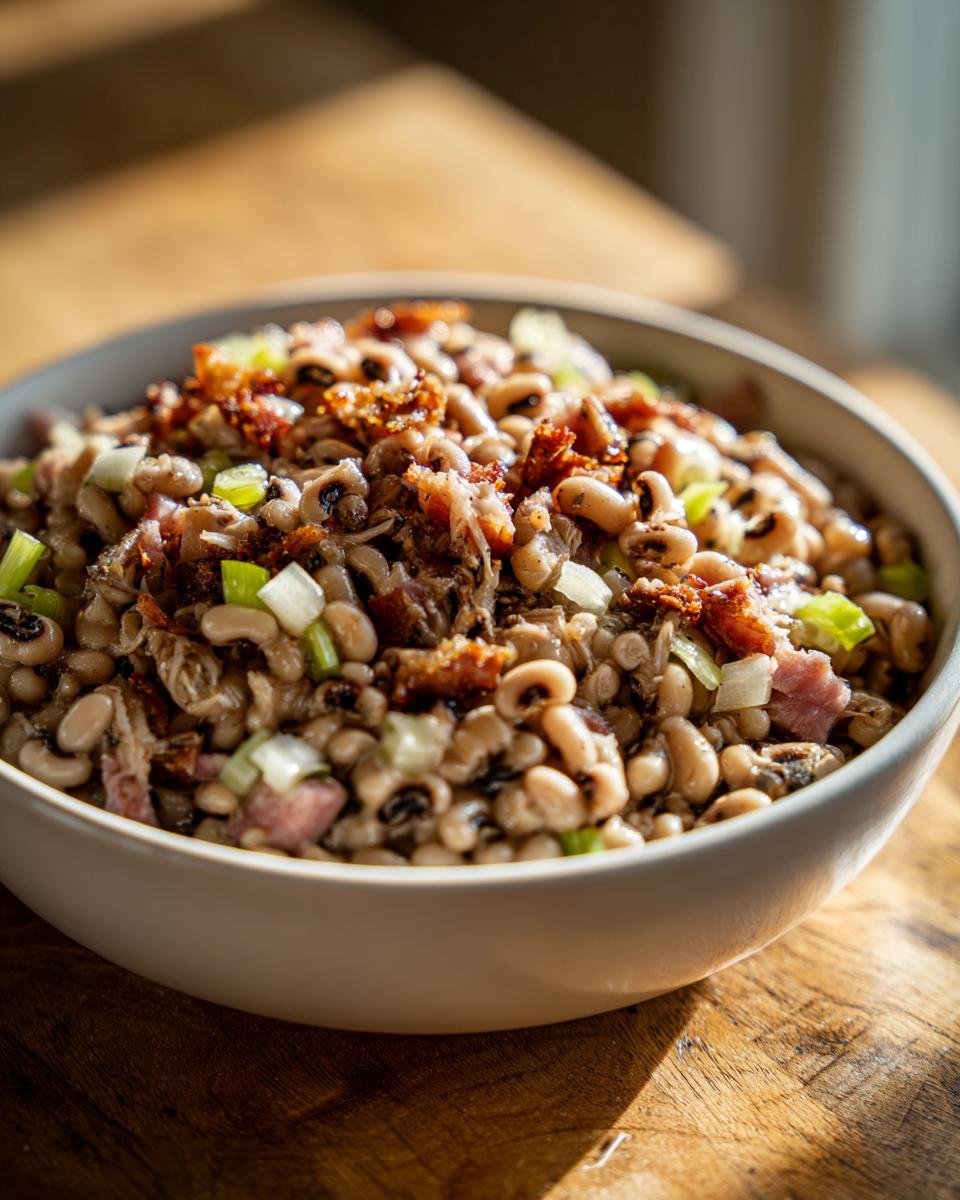
The absolute must-haves in my kitchen are bright, slightly bitter collard greens and a big, crumbly piece of cornbread. The slight smokiness from the ham hock pairs magically with the earthy bitterness of the greens. When you dip that cornbread into the pot liquor—that flavorful broth left over after the peas cook—it is pure happiness. It’s soul food at its absolute finest, and I’ve seen my friends devour plates piled high with just these three things!
If you’re looking to sneak in another vegetable that hits the same sweet spot of hearty and simple, I actually have a fantastic side that complements the salty smoked meat really well. You might want to check out my recipe for easy roasted honey-glazed carrots recipe. The hint of sweetness works well alongside the savory peas and greens without competing with the main flavor profile. It just rounds out the plate beautifully!
Storage and Reheating Smoky Black Eyed Peas Recipe
Now, if you somehow manage to have leftovers of these spectacular black eyed peas—which, frankly, I struggle with every New Year’s—storage is super simple. A heavy pot of cooked beans just tastes better the next day, doesn’t it? The flavors settle and deepen overnight, giving you an even richer experience the second time around.
You’ll want to transfer them into an airtight container once they’ve cooled down completely. They keep beautifully in the refrigerator for about four to five days. If you think you might want to keep them longer, pop them into individual freezer-safe bags or containers. They freeze wonderfully, easily lasting for two or three months!
When you go to reheat them, especially the ones from the fridge, you might notice they’ve thickened up quite a bit—that’s normal! As the starches cool, they absorb more liquid, making the dish closer to a thick stew than the soupy side we want. Don’t just heat them dry! You absolutely must splash in a little extra liquid to bring back that creamy texture. I keep a little carton of hot chicken broth nearby just for this purpose, but water works in a pinch.
Add that hot broth, stir well, and warm gently on the stovetop or even in the microwave until they are heated through. A little splash of broth instantly restores the velvety mouthfeel of your favorite Smoky Black Eyed Peas Recipe. If you ever have questions about storage or need to get in touch about anything else, my contact page is always open over at Pure Plate Path!
Frequently Asked Questions About Black Eyed Peas
I always get so many great questions when I post this recipe, especially around the holidays! People are always trying to figure out how to fit this wonderfully *Traditional Southern Side Dish* into their busy cooking schedule. Here are a few of the most common things folks ask me about making the best black eyed peas.
Can I make a Vegan Black Eyed Peas Recipe?
Oh yes, you absolutely can! If you skip the ham hock or bacon, you need to compensate for that deep, smoky component, which is critical for the flavor. My best advice for a *Vegan Black Eyed Peas Recipe* is to use aggressive seasoning. Add an extra half teaspoon of smoked paprika, maybe a dash or two of liquid smoke right at the end, or even toss in some smoked tofu pieces along with your onions and celery. That will give you that hearty, savory foundation without any meat!
What is the tradition behind New Year’s Day Black Eyed Peas?
This is one of my favorite bits of Southern lore! Eating black eyed peas on New Year’s Day is said to bring you good luck and prosperity for the entire upcoming year. Some folks say it’s because the peas look like coins, symbolizing wealth, while others link it to Civil War history. Whatever the origin, it’s a tradition I never skip! It pairs perfectly with greens, which symbolize paper money. It just feels like good fortune is baked right into that pot.
If you’re curious about my data practices or need to check out the fine print for the site, you can always review the policy information.
Share Your Comfort Food Legumes Experience
Now that you have this wonderful, deeply flavorful recipe for simmering up the best kind of comfort food legumes, I truly hope you give them a try! Whether you’re making these for the New Year’s tradition or just need a hearty side dish during a cold snap, they rarely disappoint.
I live and breathe for hearing how things turn out in your kitchens. Did the ham hock make the pot rich enough? Did you try my trick of mashing a little bit of the peas to thicken the broth? Don’t keep all that goodness to yourself!
Take a moment, drop a star rating right below this section, and then leave a comment telling me what you thought. If you snapped a picture of your beautiful pot–maybe right next to some cornbread!–I’d love it if you shared them across social media and tagged us. It truly warms my heart to see my family’s traditions finding a home on your tables.
For details on how we keep this site running and governing the use of recipes, you can always peek at our Terms of Use page. Happy spreading the good cheer, friend!
PrintAuthentic Creamy Southern Black-Eyed Peas with Ham Hock
Make traditional, deeply flavorful Southern Black-Eyed Peas. This recipe focuses on achieving a creamy texture and rich, smoky taste, perfect for a New Year’s Day tradition or a hearty comfort food side dish.
- Prep Time: 15 min
- Cook Time: 2 hours
- Total Time: 2 hours 15 min
- Yield: 6 servings 1x
- Category: Side Dish
- Method: Stovetop Simmering
- Cuisine: Southern American
- Diet: Low Fat
Ingredients
- 1 pound dried black-eyed peas, rinsed and picked over
- 6 cups water or low-sodium chicken broth
- 1 smoked ham hock (or 4 slices thick-cut bacon, chopped)
- 1 large yellow onion, chopped
- 2 celery stalks, chopped
- 2 cloves garlic, minced
- 1 teaspoon smoked paprika
- 1/2 teaspoon dried thyme
- 1 bay leaf
- 1 teaspoon salt (or to taste)
- 1/2 teaspoon black pepper
- 1 tablespoon apple cider vinegar
Instructions
- Place the rinsed black-eyed peas, water or broth, ham hock (or bacon), onion, celery, garlic, smoked paprika, thyme, and bay leaf into a large pot or Dutch oven.
- Bring the mixture to a boil over high heat.
- Once boiling, reduce the heat to low, cover the pot, and simmer for 1.5 to 2 hours, or until the peas are tender and creamy. Stir occasionally to prevent sticking.
- If using bacon, remove the ham hock or bacon pieces once the peas are cooked. Shred any meat from the ham hock and return the shredded meat to the pot. Discard the bone and bay leaf.
- Stir in the salt, pepper, and apple cider vinegar during the last 15 minutes of cooking. The vinegar brightens the flavor.
- Taste and adjust seasoning as needed before serving hot.
Notes
- For a quicker method, use a slow cooker. Combine all ingredients except salt, pepper, and vinegar in the slow cooker. Cook on low for 6-8 hours or high for 3-4 hours. Add seasonings during the last hour.
- If you prefer a thicker consistency, remove about 1 cup of the cooked peas and mash them, then stir the mash back into the pot.
- Serve these flavorful black-eyed peas alongside collard greens and cornbread for a complete Southern meal.
Nutrition
- Serving Size: 1 cup
- Calories: 280
- Sugar: 2
- Sodium: 450
- Fat: 6
- Saturated Fat: 2
- Unsaturated Fat: 4
- Trans Fat: 0
- Carbohydrates: 45
- Fiber: 12
- Protein: 15
- Cholesterol: 15