

Whew! The holiday feast is packed away, the wrapping paper is gone, and now comes the quiet, cozy part of the year. If you’re anything like me, you look at that giant, beautiful ham bone left sitting in the fridge and think, “That absolutely cannot go to waste.” That’s where the real magic of simple, honest cooking begins. We’re taking those leftovers and transforming them into a soul-satisfying ham and bean soup. This isn’t complicated; this is pure comfort, the kind of meal that warms you from the inside out while you watch the cold weather roll in. Embracing these simple, frugal traditions is a genuine form of self-care, and this recipe proves that the most nourishing food often comes from the most humble ingredients. As I always say, finding peace in the kitchen is fundamental to wellness; you can read more about my philosophy on finding that balance. You’ve got this!
- Why This Hearty Ham and Bean Soup is the Ultimate Post-Holiday Soup Recipe
- Gathering Ingredients for Your Ham and Bean Soup
- Expert Tips for Preparing Navy Bean Stew
- Step-by-Step Instructions for Soul-Satisfying Ham and Bean Soup
- Ingredient Notes and Substitutions for Leftover Ham Bone Soup
- Tips for Success with Your Ham and Bean Soup
- Storage and Reheating Instructions for This Navy Bean Stew
- Frequently Asked Questions About Making Ham and Bean Soup
- Serving Suggestions to Complete Your Meal
Why This Hearty Ham and Bean Soup is the Ultimate Post-Holiday Soup Recipe
There’s this wonderful tradition we have of turning what looks like scraps into something incredible. That ham bone isn’t just trash; it’s the cornerstone of your next amazing meal. This recipe, this classic ham and bean soup, is all about respecting those resources and welcoming simple comfort back into your home right after the holiday hustle.
Why is this recipe required eating right now? Because it delivers huge flavor with minimal fuss, which is exactly what we need when energy levels are low. If you’re looking for more practical meals that fit a busy life, check out my tips for quick dinners.
- It’s incredibly frugal—the ham bone does most of the heavy lifting.
- The slow simmer creates a depth of smoky flavor you just can’t buy.
- It’s nourishing and deeply satisfying for cold winter days.
Turning Leftover Ham Bone Soup into Comfort Food
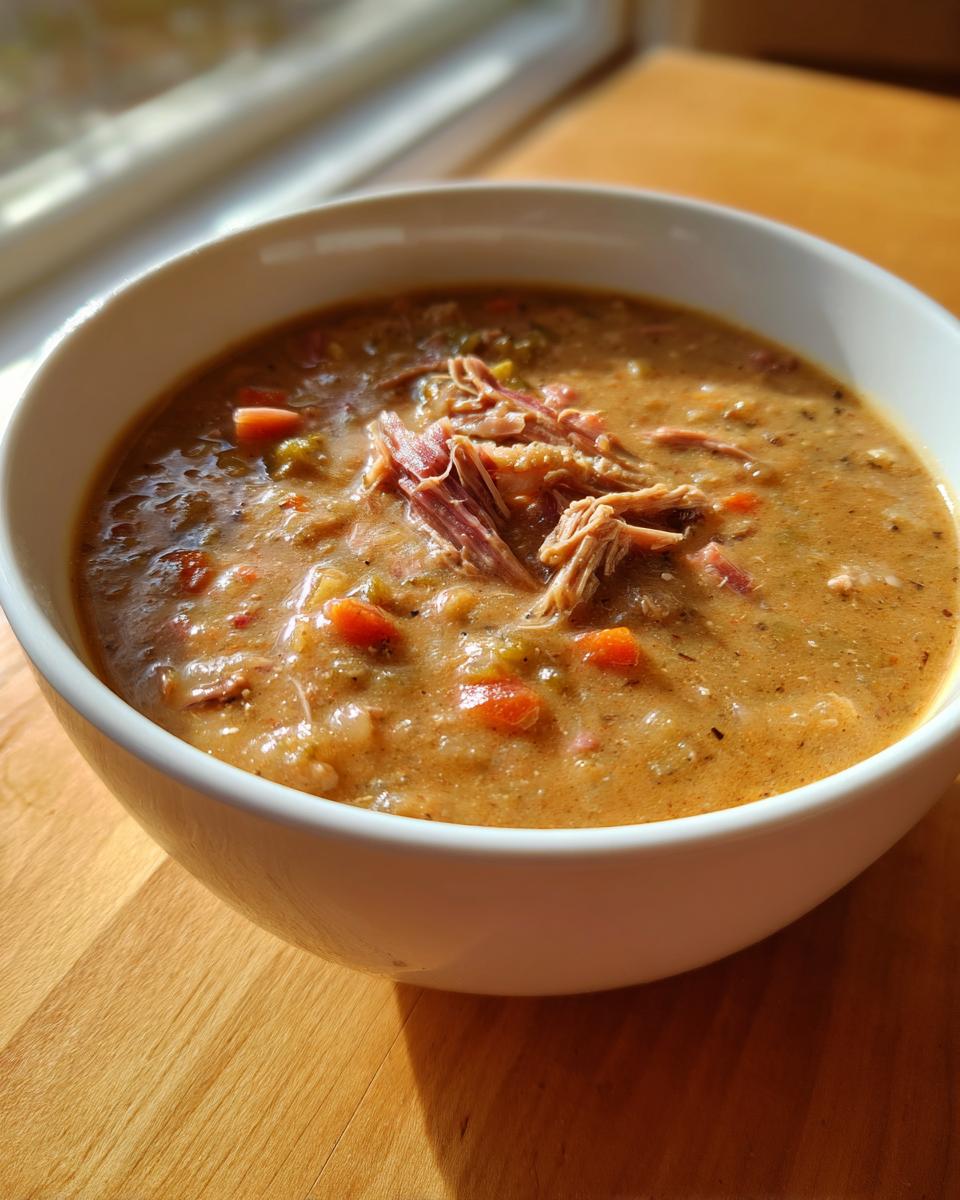
That ham bone simmering away on the stove releases collagen and smoke right into the broth, which is why this navy bean stew tastes like it’s been cooking for days. It’s the scent that takes you right back to being cozy indoors while the world outside is chilly. This warm, earthy broth surrounds the tender beans, turning those simple leftovers into genuine soul food.
Gathering Ingredients for Your Ham and Bean Soup
Okay, now that we’ve talked about why this soup is the perfect use for your holiday leftovers, let’s look at what you actually need to pull this together. Don’t let the list intimidate you; most of this is happening slowly on the stove or is already waiting in your fridge! The star, of course, is that ham bone, but the mirepoix—the onion, carrots, and celery—are crucial for building that earthy base flavor. Before you start dumping everything in, please do me one favor: give the ham bone a quick sniff and maybe a tiny taste against your tongue. Ham bones can be surprisingly salty, and we absolutely don’t want you to end up with a sodium bomb! We’ll talk more about salt later, but check that bone first.
Essential Components for the Best Ham and Bean Soup
Here is what you’ll need for a truly rich, smoky broth:
- 1 large leftover ham bone
- 1 pound dried navy beans or Great Northern beans, rinsed thoroughly
- 8 cups water or low-sodium chicken broth
- 1 large yellow onion, chopped
- 2 carrots, chopped
- 2 celery stalks, chopped
- 2 bay leaves
- 1 teaspoon dried thyme
- 1/2 teaspoon black pepper
- 1 cup diced leftover ham (optional, for extra flavor payoff)
Expert Tips for Preparing Navy Bean Stew
Before we even think about turning on the heat, let’s talk about the beans themselves. This is where you build authority over the final texture of your ham and bean soup. Dried beans are fantastic because they absorb so much flavor, but they do need some persuading to get truly tender. Trust me, skipping this step is asking for beans that are gritty in the middle!
To Soak or Not to Soak: Managing Dried Bean Cook Time
I am a huge advocate for the overnight soak, honestly. Just cover your rinsed navy beans with a few inches of water and leave them on the counter or in the fridge overnight. They’ll swell up beautifully. If you’re making this on a whim and don’t have 12 hours? Try the quick soak! Pour the beans into your stockpot, cover them with water, bring it to a rolling boil for about two full minutes, then kill the heat, cover the pot, and let them sit for an hour. Either way, remember to drain them well before you add your ham bone and broth. If you skip soaking, just understand that your soup might need closer to four hours of gentle simmering to get those beans meltingly soft.
Step-by-Step Instructions for Soul-Satisfying Ham and Bean Soup
Alright, we’ve got our prepped beans and all our aromatics ready to go. This is where the waiting game begins, but don’t worry—it’s easy waiting because you get to smell this amazing ham and bean soup developing on the stove! Remember, this is low-effort, high-reward cooking.
Building the Broth and Simmering
First, if you soaked your beans, make sure you drain that soaking water off—we want fresh liquid for the best broth! Now, take a really big stockpot or your trusty Dutch oven. Toss in your ham bone, the rinsed beans, your water or broth, all those chopped veggies, the bay leaves, thyme, and pepper. Get this pot over high heat and bring it up to a hard boil. Once it’s bubbling happily, immediately drop the heat way down—we want a bare simmer, just a gentle bubble breaking the surface now and then. Cover it partially, and let this whole mixture bubble away for a solid 2 to 3 hours. You have to stir it every 30 minutes or so, just to make sure those beans aren’t sticking to the bottom! Trust me, nobody wants a scorched bottom on their soup.
Shredding Meat and Achieving Perfect Thickness
Once those beans are tender—test one!—it’s time to get the meat back in the picture. Carefully pull that ham bone out and let it cool enough to handle. Scrape every bit of good meat you can find right back into the pot. Discard the bone! Now, for that beautiful, creamy texture that makes a great navy bean stew, here’s the secret: scoop out about a cup of beans (just the beans, try to leave some liquid behind) and mash them with a fork or put them in a small bowl and crush them thoroughly. Stir that bean mash right back into the soup. This technique thickens the broth naturally without adding flour or cornstarch! Give it one last 15-minute simmer, uncovered, to let everything marry, and pull out those bay leaves before serving. This is exactly what you need for a perfect cozy lunch, maybe grab a great recipe for simple lunches to pair it with!
Ingredient Notes and Substitutions for Leftover Ham Bone Soup
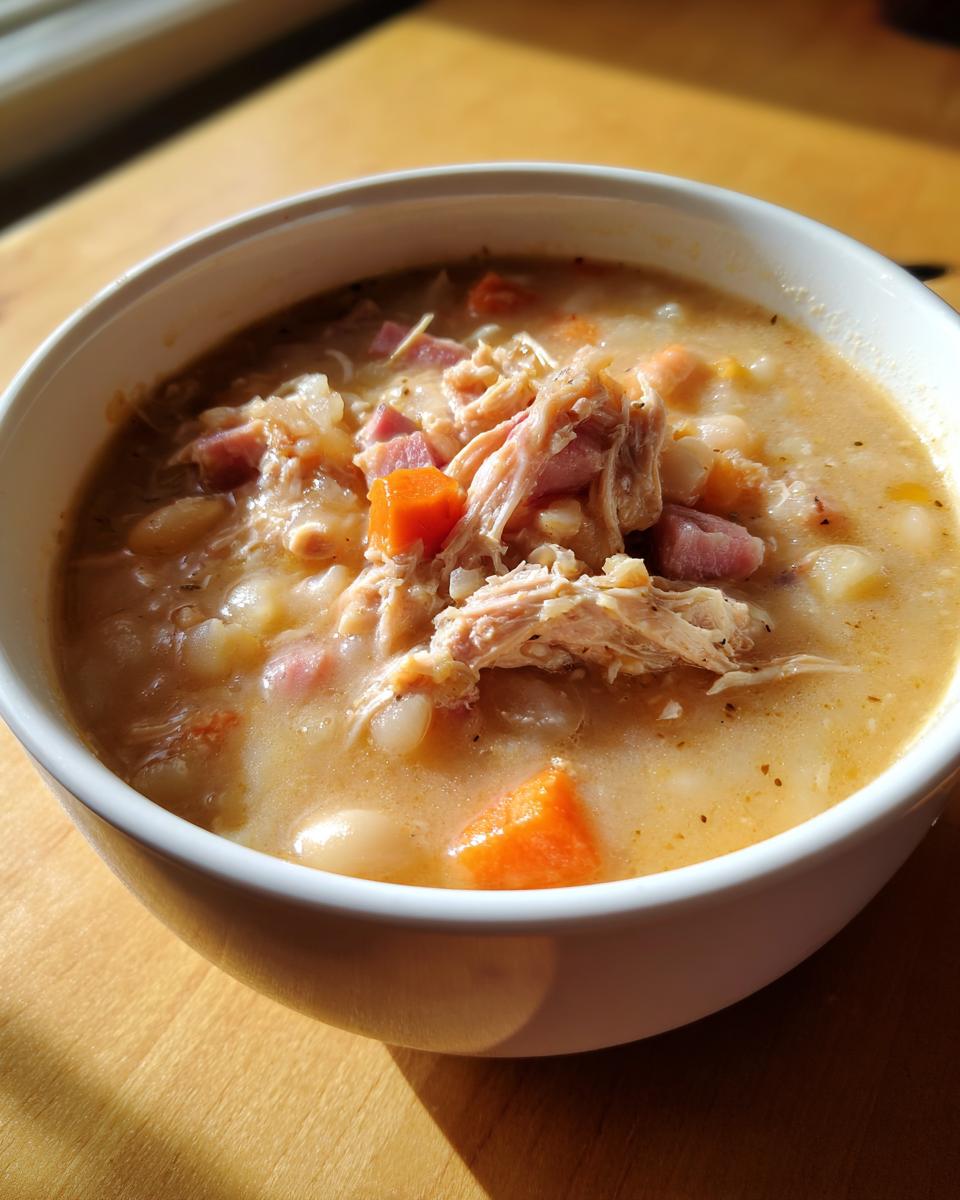
One thing I love about this leftover ham bone soup is how forgiving it is. If you didn’t have navy beans on hand, Great Northern beans work just as beautifully. They break down nicely and give you that desired thickness. Now, concerning liquid: if your ham bone didn’t yield much rich broth, using a low-sodium chicken broth instead of plain water is a great way to boost flavor without making the soup too salty. The most important thing I need you to remember here, just like I mentioned before we started cooking, is to hold off on adding an extra pinch of salt until you’ve taken the bone out and tasted the broth. That bone is delivering salt whether you want it to or not!
Tips for Success with Your Ham and Bean Soup
We’ve covered the basics, but now I want to give you a couple of little secrets I’ve picked up over the years that really take your ham and bean soup from great to absolutely unforgettable. It’s usually about adding one final, tiny counterpoint to all that smoky, rich flavor.
First, if your soup seems a little flat—and this happens sometimes if your ham bone wasn’t super flavorful—don’t just reach for the salt shaker! Instead, try adding just a teaspoon or two of apple cider vinegar right at the very end, after you’ve removed the bay leaves. I know, vinegar in soup sounds odd, but that little splash of acid brightens up all the earthy, smoky notes. It’s like turning the brightness dial up on your entire pot. You won’t taste vinegar, I promise, just a much better, deeper flavor. If you are looking for other ways to layer flavor in simple dishes, you might like this recipe for a creamy garlic sauce that uses a similar flavor trick.
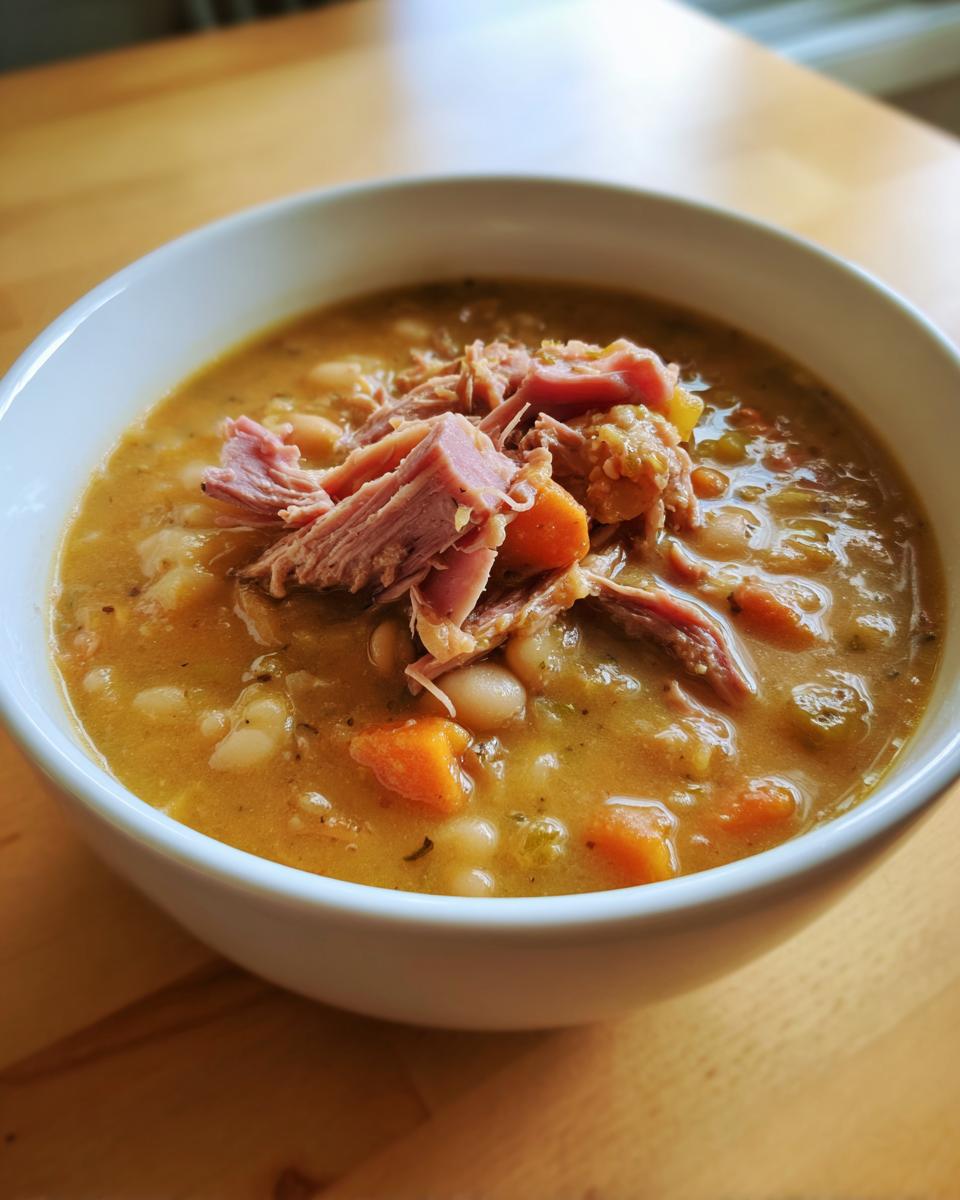
Second, if you find yourself with almost no usable meat once you take the bone out, don’t panic about the texture. You already fixed the thickness issue by mashing some beans, but for that extra *umph* of ham flavor, try substituting the optional diced ham cup with two tablespoons of good quality smoked paprika stirred in during the last 30 minutes of simmering. It gives you that same smoky punch without relying too heavily on the actual meat product.
Storage and Reheating Instructions for This Navy Bean Stew
The best part about making a big pot of ham and bean soup is knowing you have leftovers for tomorrow! This navy bean stew actually tastes even better the next day once those smoky flavors have time to really settle into the beans. Store any leftovers in sealed containers in the fridge for up to four days. When you reheat it, you’ll probably notice it’s gotten quite thick—that’s normal! Just add a splash of water or chicken broth until it hits your preferred soup consistency, and heat it gently on the stovetop. Avoid the microwave if you can; a slow reheat really preserves that wonderful texture.
Frequently Asked Questions About Making Ham and Bean Soup
I know you might still have a few lingering questions, especially if this is your first time making a proper leftover ham bone soup! It’s totally normal. We want to make sure you succeed on your very first try because this soup is just too good to mess up. Here are the top things folks ask me about transforming that bone into something amazing.
Can I use canned beans instead of dried beans for this post-holiday soup recipe?
You absolutely *can* use canned beans if you need to speed things up for your post-holiday soup recipe, but I need to be honest: the result won’t be quite the same. Canned beans are already soft, so they don’t absorb the flavor from the ham bone and spices nearly as well as dried beans do. Plus, canned beans break down very little during the cooking process. If you use them, you should only add them in the last 30 minutes of simmering, and you’ll definitely need to mash a portion of them against the side of the pot to get any sort of thickness for your stew.
How do I ensure my ham and bean soup is creamy and not too thin?
This is one of my favorite tricks! If you followed the steps correctly, you should have mashed about a cup of cooked beans right into the broth to thicken it up. If you taste it and it still seems a little too watery for your liking, just repeat that step. Carefully scoop out another half cup of the softest beans you can find—let them cool slightly—and mash them into a thick paste using a fork or a quick pulse in a small food processor. Stir that paste back into your main pot of soup. That starchy bean mash acts like a natural, creamy thickener for your stew without needing any dairy or flour at all. It works like a charm every time!
If you have any other questions about perfecting your meal, please don’t hesitate to reach out to us directly; we love hearing from our community! You can always find us ready to help at our contact page.
Serving Suggestions to Complete Your Meal
You’ve done the work, you’ve got this incredible, flavor-packed ham and bean soup simmering away, and now it’s time to bring it all together on the table. Because this soup is so hearty—it’s practically a meal in itself—you don’t need much fuss on the side, which is exactly what we love around here. Simplicity is key, right?
The absolute classic pairing, the one that just screams “home and comfort,” has to be cornbread. Seriously, nothing beats tearing off a warm piece of sweet or savory cornbread and using it to scoop up those last bits of smoky broth. If I have a batch of my easy homemade cornbread ready, I feel like I’ve won the week!
If you’re looking for something a little lighter to balance out the richness, a simple, crisp green salad tossed with a bright vinaigrette works wonders. That little bit of sharp tang cuts right through the savoriness of the ham. If you’re looking for inspiration for what to eat the *next* morning, I have some great ideas for healthy breakfast ideas that might give you some flexibility for the rest of your day.
Dinner is served! Enjoy this beautiful moment of warmth and nourishment.
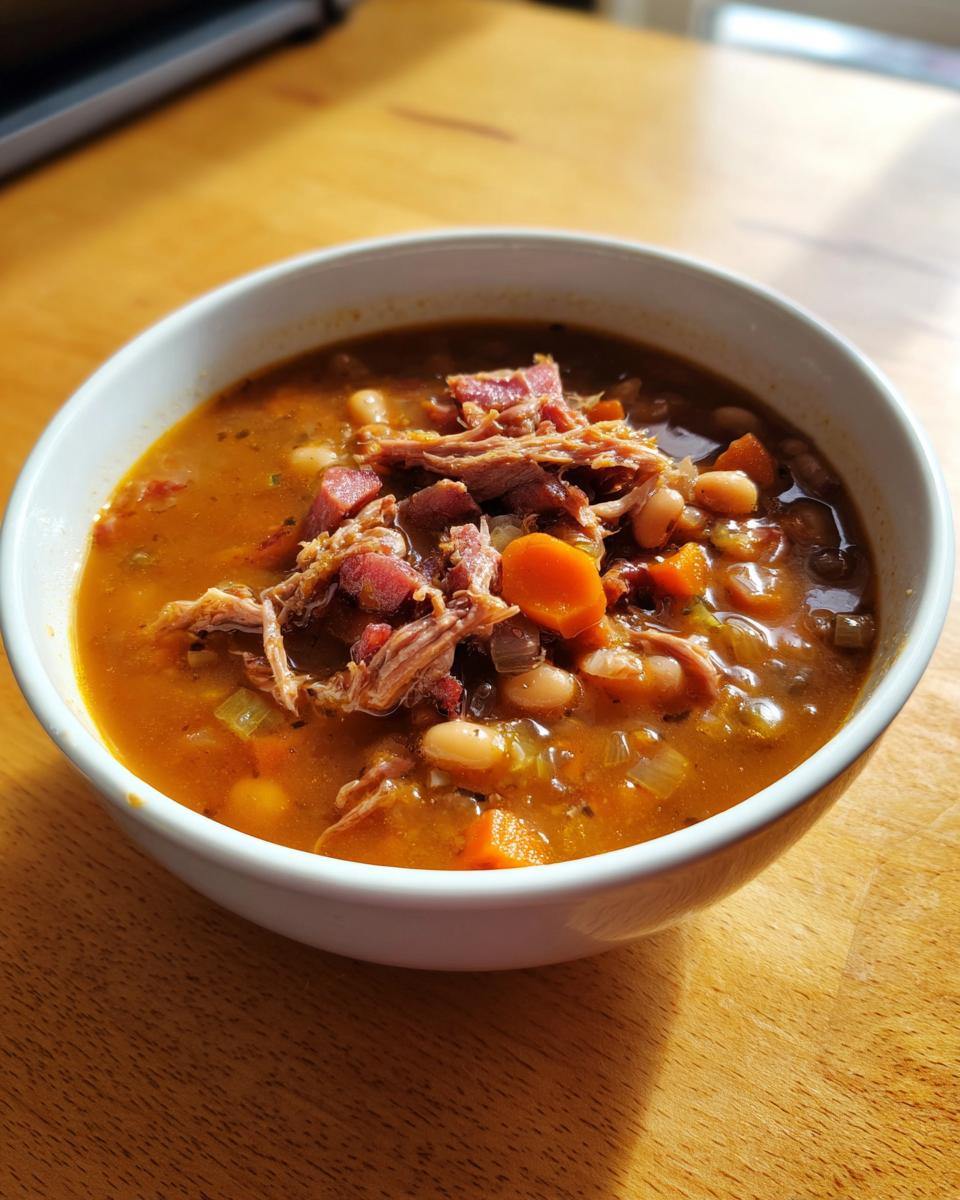
PrintHearty Ham and Bean Soup from a Leftover Ham Bone

Make a soul-satisfying ham and bean soup using your leftover ham bone. This navy bean stew is a classic post-holiday soup recipe, turning simple ingredients into a comforting meal.
- Prep Time: 20 min
- Cook Time: 3 hr
- Total Time: 3 hr 20 min
- Yield: 6 servings 1x
- Category: Soup
- Method: Stovetop Simmering
- Cuisine: American
- Diet: Low Fat
Ingredients
- 1 large leftover ham bone
- 1 pound dried navy beans or Great Northern beans, rinsed
- 8 cups water or low-sodium chicken broth
- 1 large yellow onion, chopped
- 2 carrots, chopped
- 2 celery stalks, chopped
- 2 bay leaves
- 1 teaspoon dried thyme
- 1/2 teaspoon black pepper
- 1 cup diced leftover ham (optional, for extra flavor)
Instructions
- If you have time, soak the dried beans overnight in water; drain them before starting. If not, proceed directly.
- Place the ham bone, rinsed beans, water or broth, onion, carrots, celery, bay leaves, thyme, and pepper into a large stockpot or Dutch oven.
- Bring the mixture to a boil over high heat.
- Reduce the heat to low, cover the pot partially, and let the soup simmer gently for 2 to 3 hours, or until the beans are completely tender. Stir occasionally to prevent sticking.
- Remove the ham bone from the pot. Once cool enough to handle, pull off any remaining meat from the bone and shred or chop it. Discard the bone.
- Return the shredded ham meat to the soup. If the soup is too thin, remove about 1 cup of beans and mash them, then stir the mash back into the pot to thicken the broth.
- Simmer for another 15 minutes uncovered to allow flavors to meld. Remove the bay leaves before serving.
- Serve your ham and bean soup hot, perhaps with cornbread on the side.
Notes
- Soaking the beans overnight reduces the cooking time significantly.
- For a smokier flavor, use a smoked ham hock instead of a bone if you do not have a leftover ham bone.
- Taste the soup before adding salt, as the ham bone often provides enough sodium.
Nutrition
- Serving Size: 1.5 cups
- Calories: 350
- Sugar: 5
- Sodium: 650
- Fat: 6
- Saturated Fat: 2
- Unsaturated Fat: 4
- Trans Fat: 0
- Carbohydrates: 55
- Fiber: 15
- Protein: 25
- Cholesterol: 30