

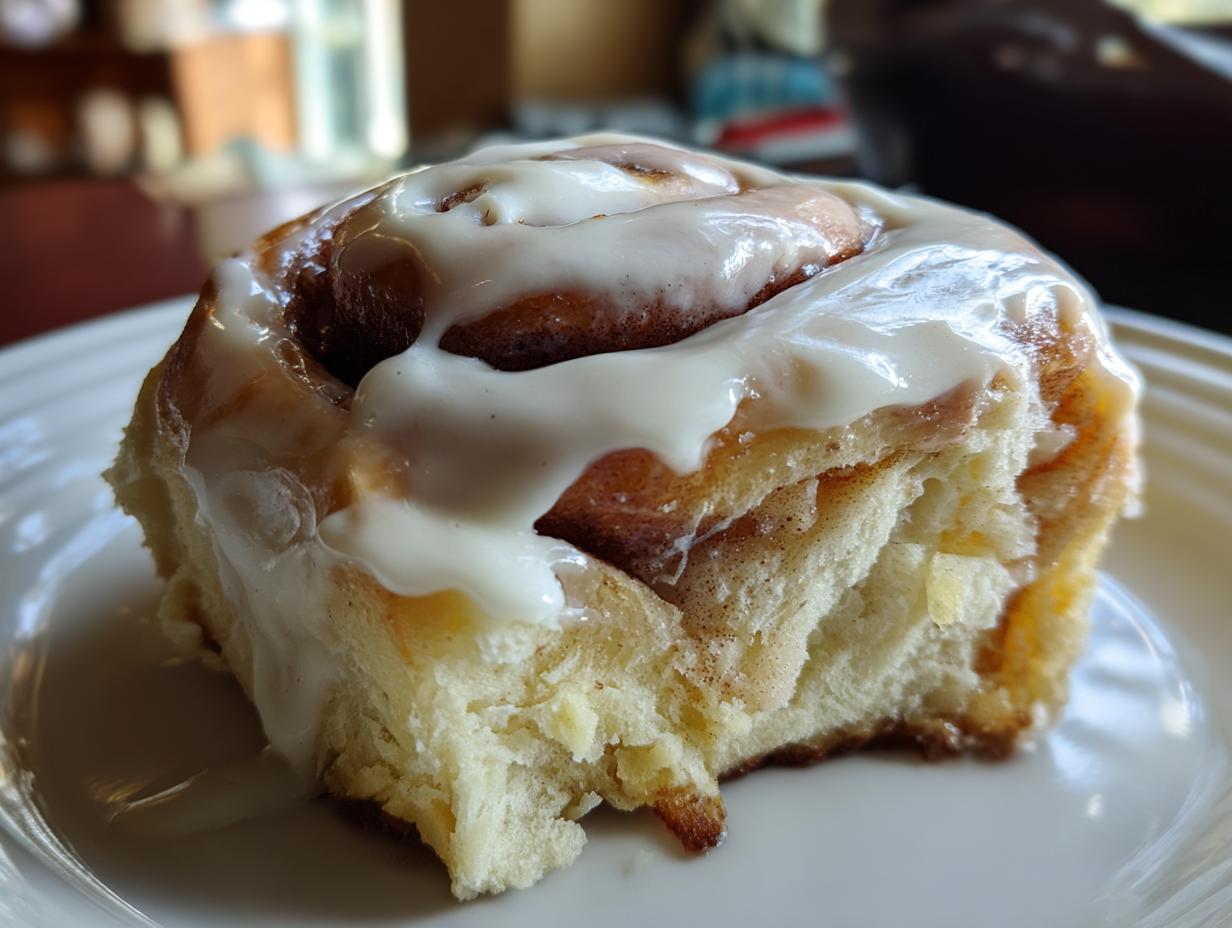
Stop what you’re doing right now and just imagine that smell. You know the one—that rich, yeasty, sweet aroma that completely takes over your house. That’s the smell of taking a moment back for yourself, which is exactly what I strive for here at Pure Plate Path. If you’ve ever found yourself reaching for a disappointing store-bought pastry, this recipe is for you. We’re making the most wonderfully soft, bakery-quality cinnamon roll from scratch. This isn’t just baking; it’s the simple, delicious act of self-care that centers my whole week. If you’re looking for more ways to infuse joy into your busy mornings, take a peek at some of my other favorite wholesome breakfast ideas. Trust me, once you master this, your weekend mornings will never be the same.
- Why This is the Best Cinnamon Roll Recipe You Will Make
- Ingredients for the Ultimate Cinnamon Roll
- How to Prepare the Best Cinnamon Roll Dough
- Assembling and Baking Your Homemade Pastry
- Crafting the Perfect Cream Cheese Icing for Your Cinnamon Roll
- Tips for Success with This Yeast Roll Recipe
- Serving Suggestions for Your Sweet Breakfast Recipe
- Frequently Asked Questions About Making Cinnamon Rolls
- Nutritional Snapshot of This Homemade Cinnamon Roll
Why This is the Best Cinnamon Roll Recipe You Will Make
I’ve made countless batches of these, tweaking until I finally nailed the texture that makes you sigh with happiness. You aren’t just getting a good roll here; you’re getting the kind you dream about when the weekend approaches. It’s the trifecta: pure fluffiness, ridiculously gooey centers, and that perfect, slightly tangy icing that balances the sweetness.
- The absolute softest texture you can imagine.
- That rich, buttery swirl that pulls apart beautifully.
- A cream cheese glaze that’s creamy, never runny.
This is truly my go-to cinnamon roll recipe because it delivers on every promise of comfort food.
Achieving Bakery-Quality Soft Rolls
The secret to getting that unbelievable softness lies in two places: the dough itself and giving it the time it needs. We use whole milk and a good amount of melted butter in the yeast roll recipe—that fat keeps the crumb tender even after baking. And please, don’t rush the rise! That slow, patient second rise is what puffs the dough up into those pillowy clouds. If you skip that time, you end up with dense spirals, and nobody wants that!
Ingredients for the Ultimate Cinnamon Roll
Okay, friends, ingredient quality talks here. For a homemade pastry this good, you can’t skimp! I’ve laid out exactly what you need below, broken down by component. Remember, the butter for the filling needs to be truly soft, and your eggs need to be at room temperature—that makes such a difference when mixing into the yeasted dough! Pay close attention to the specifics for the icing because smoothness is key to a luxurious finish.
For the Rich Yeast Roll Dough
This mixture sets the stage for incredible softness, so get those measurements right!
- 1 cup whole milk, warm (about 110°F)
- 2 1/4 teaspoons active dry yeast
- 1/2 cup granulated sugar, plus 1 tablespoon for yeast
- 1/2 cup unsalted butter, melted
- 2 large eggs, room temperature
- 4 cups all-purpose flour, plus more for dusting
- 1 teaspoon salt
For the Gooey Cinnamon Filling
This is where all the magic flavor hides! Make sure your butter is genuinely soft—almost spreadable—so you don’t tear the dough when applying it.
- 1/2 cup unsalted butter, softened
- 1 cup packed light brown sugar
- 2 tablespoons ground cinnamon
For the Tangy Cream Cheese Icing
We want this icing to be smooth as silk, not lumpy! Make sure your cream cheese and butter have plenty of time to soften up beforehand.
- 8 ounces cream cheese, softened
- 1/2 cup unsalted butter, softened
- 3 cups powdered sugar
- 1 teaspoon vanilla extract
- 2-4 tablespoons milk
How to Prepare the Best Cinnamon Roll Dough
Getting this dough right is absolutely the cornerstone of making the best cinnamon roll in your baking repertoire. We need to wake up that yeast correctly before we even think about adding flour! When I was first trying to master these homemade pastries, I messed up the yeast temperature more times than I care to admit. If your milk is too hot, you kill the yeast; too cold, and it just naps! That initial foam tells you everything you need to know. If you are looking for more inspiration on quick mornings, check out some of my other savory and sweet breakfast ideas!
Activating the Yeast and Mixing the Dough
Start by making sure your milk is warm—around 110°F is perfect. Stir in just one tablespoon of sugar and sprinkle the yeast right over the top. If it doesn’t get foamy and bubbly within ten minutes, toss it and start over with new yeast because those yeast just aren’t viable anymore. Once you see that beautiful foam, toss in the rest of your sugar, the melted butter, and those room-temperature eggs.
Next, we mix in the flour and salt with a sturdy spoon until it just comes together into what I call a ‘shaggy mess.’ Don’t worry if it looks rustic at this stage; that’s supposed to happen before the real work begins!
Kneading and First Rise for Your Cinnamon Roll
Now, dump that shaggy dough onto a lightly floured surface. You’ll knead this by hand, or with a strong mixer hook, for a solid 8 to 10 minutes. I know that feels like a long time when you have a whole kitchen to clean later, but this develops the gluten that gives you that beautiful, workable structure. The dough is done when it feels totally smooth and springs back gently when you poke it. Place it in an oiled bowl, cover it up, and find a warm, draft-free spot for it to double in size—this first rise takes about 1 to 1.5 hours. I remember thinking one time that my kitchen felt chilly, so I put the bowl in my turned-off oven with a pan of hot water on the bottom rack. It worked like a charm and gave me the fluffiest cinnamon roll dough I’d ever made! Once it’s doubled, punch it down gently and move on to the filling stage.
Assembling and Baking Your Homemade Pastry
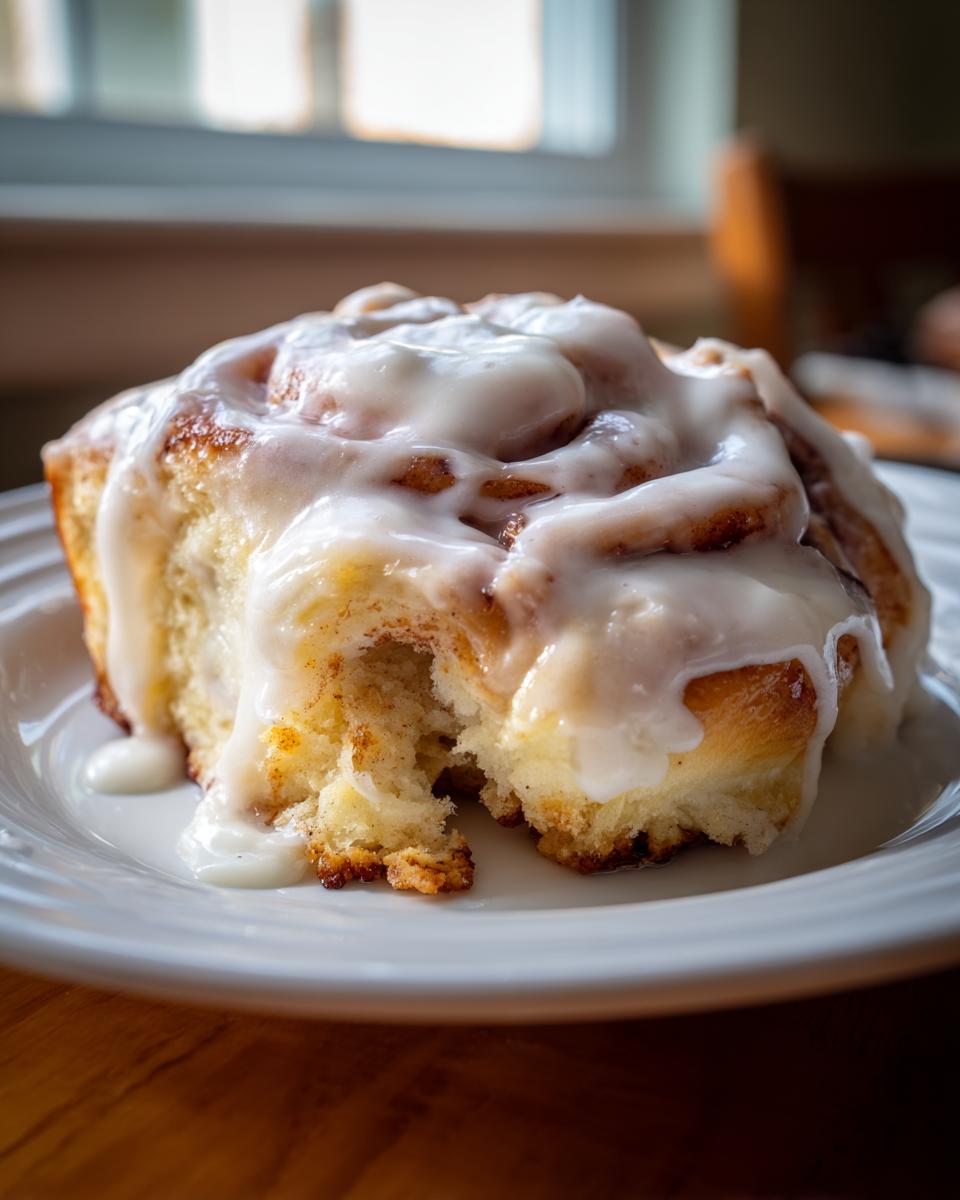
Okay, we’ve got the soft, elastic dough, and the sweet, buttery filling is waiting. This next part is where we build those gorgeous, gooey swirls that make everyone ask for the recipe. Rolling the dough out into that precise 12 by 18-inch rectangle is important—it ensures you get the right ratio of dough to filling in every slice of your cinnamon roll.
Filling the Cinnamon Roll Log Perfectly
Take that softened filling and spread it out evenly across the dough, but here is the trick: leave about a one-inch strip bare along one of the long edges. This bare strip acts like a seal! When you start rolling tightly from the opposite long edge, it keeps all that delicious cinnamon goodness tucked in as you pinch the seam shut. Rolling it super tight is what gets you those defined layers. After you pinch the seam, use a sharp, un-floured knife or even dental floss (my secret weapon!) to cut the log into 12 equal pieces.
Place them cut-side-up into your prepared 9×13 pan. They should be cozy but not totally squished. We need them to touch when they bake because that’s how they stay incredibly soft!
The Second Rise and Baking Temperature
The dough has worked hard, but it needs one more moment of peace. Cover the pan loosely and let these beautiful rolls rest in a warm spot for about 30 to 45 minutes. They need to look puffy and touch each other before they hit the heat. While they are puffing, preheat your oven to 375°F exactly. We’re baking these rolls for 20 to 25 minutes until they are golden brown around the edges. You’ll know they’re done when you smell that incredible baked sugar aroma! Don’t overbake these, or you’ll lose the moisture that makes them such a perfect homemade pastry.
Crafting the Perfect Cream Cheese Icing for Your Cinnamon Roll
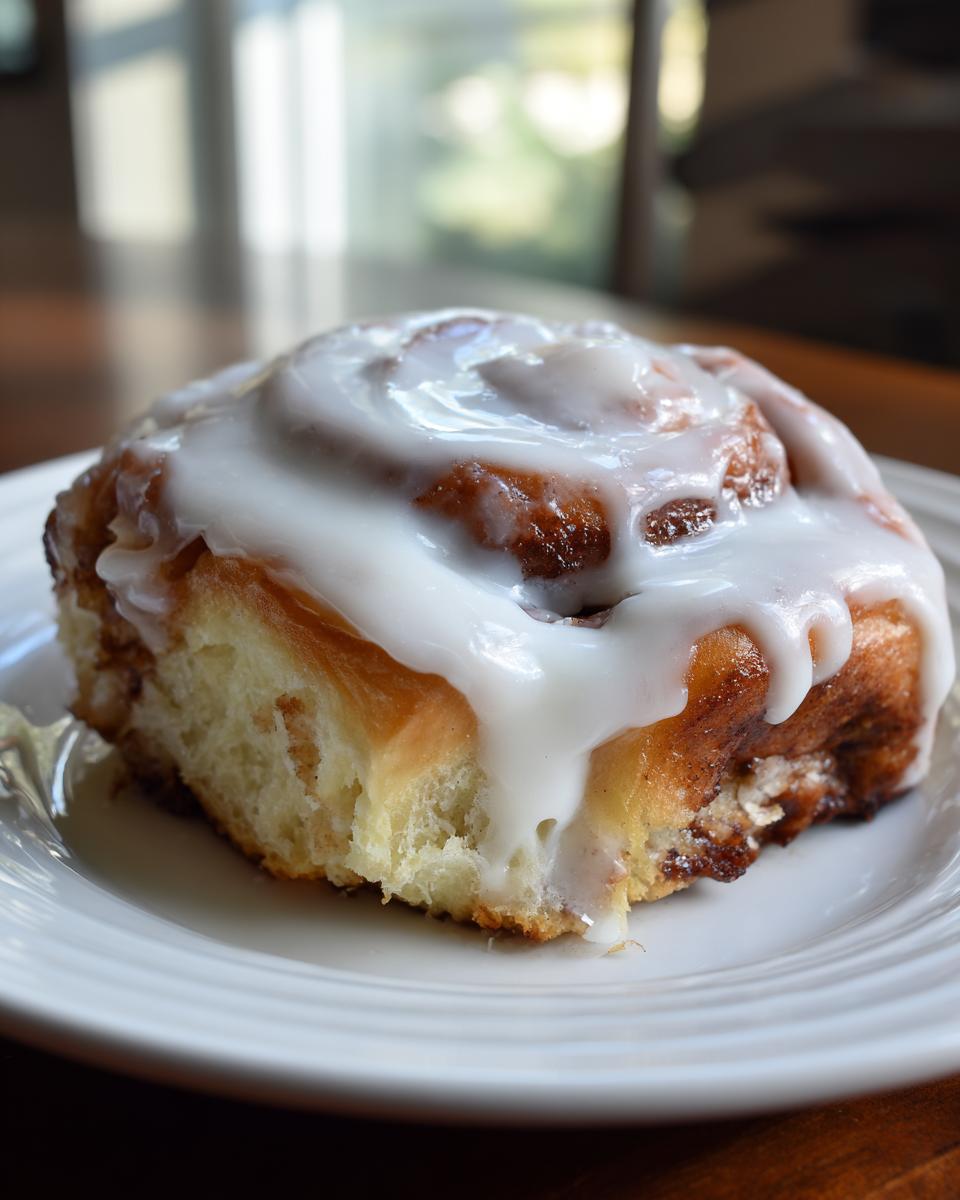
Listen, the rolls can be perfect, but if the icing is grainy, it’s a tragedy, right? For the most luscious topping on your cinnamon roll, you have to treat the base ingredients gently first. This is a non-negotiable, expert tip from my kitchen: before you even think about adding your powdered sugar, you must beat the softened cream cheese and butter together until they are completely smooth and creamy. If you dump the sugar in too early, you end up with pockets of unmixed sugar—that grainy texture is the opposite of what we want for a decadent topping!
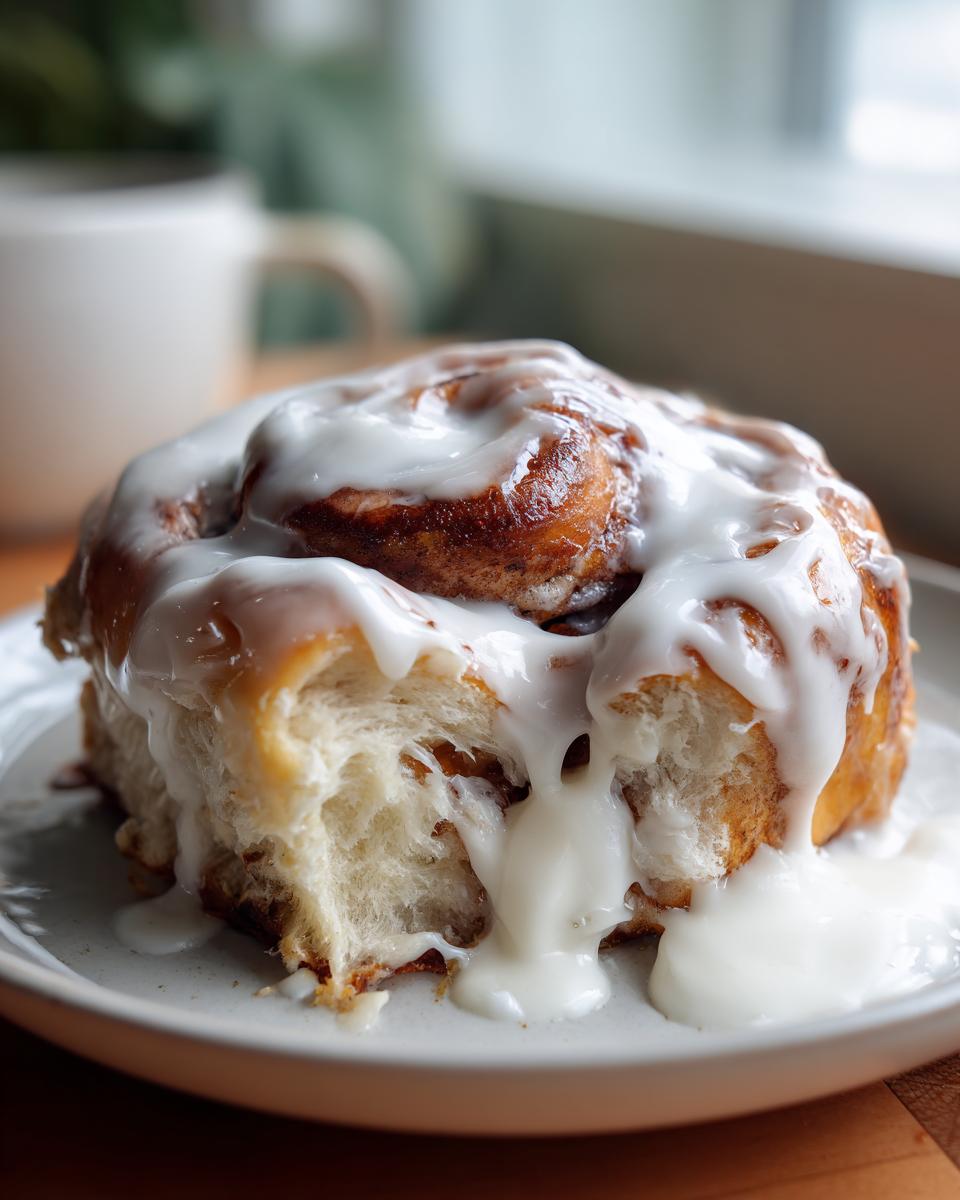
Once that base is cloud-like, gradually beat in your powdered sugar and vanilla. You might need to adjust the milk depending on how stiff your cream cheese was. I usually start with 2 tablespoons and add milk slowly until it’s the perfect, pourable, yet thick consistency. If you want a little tang, sometimes I even add a tiny splash of lemon juice! Drizzle this generously over your warm cinnamon roll—the warmth melts it just enough to seep into all those swirls. If you’re interested in looking beyond breakfast and seeing how simple creamy bases can transform dinner, check out this easy creamy garlic sauce recipe!
Tips for Success with This Yeast Roll Recipe
Even the best recipes need a little insider knowledge to go from great to unforgettable. I’ve learned through trial and error exactly how to manage these rolls to ensure they are perfect no matter when I decide to serve them. Whether you need to prep the night before or just need to know how to store leftovers—because let’s be honest, they rarely last long enough to need storage—I’ve got you covered here.
Make-Ahead and Storage Guidance
Life gets busy, right? That’s why I love that this recipe is so flexible! You absolutely do not have to bake these first thing in the morning. Here is the pro move: let the dough go through the first rise as directed. Then, gently punch it down, shape it into the log, cut your rolls, and arrange them in the 9×13 pan. Cover it tightly with plastic wrap and pop the whole thing into the refrigerator overnight. The cold slows the yeast WAY down.
When you wake up, just pull the pan out while your coffee brews and let it sit on the counter for about 30 minutes to take the chill off before baking. If you put them straight into the oven, they’ll be tough! For leftovers, store them tightly covered at room temperature for up to three days. Warming them up in the microwave for about 15 seconds brings back that fresh-baked softness beautifully.
Serving Suggestions for Your Sweet Breakfast Recipe
Look, a perfect **cinnamon roll** is wonderful all by itself, dripping with icing and warm from the oven. But why stop there? This kind of sweet breakfast recipe deserves the perfect little spread alongside it, especially when hosting brunch. My absolute favorite pairing is a strong, dark-roast coffee—the slight bitterness cuts through that rich butter and sugar perfectly. If you’re going for a bigger spread, balance the sweetness by adding something savory on the side. Think a platter of my simple easy egg bites or some crisp bacon. A bowl of fresh berries, like raspberries or sliced oranges, also brings a bright, acid note that cleanses the palate between bites of that decadent, buttery dough. It just makes the whole experience feel celebratory!
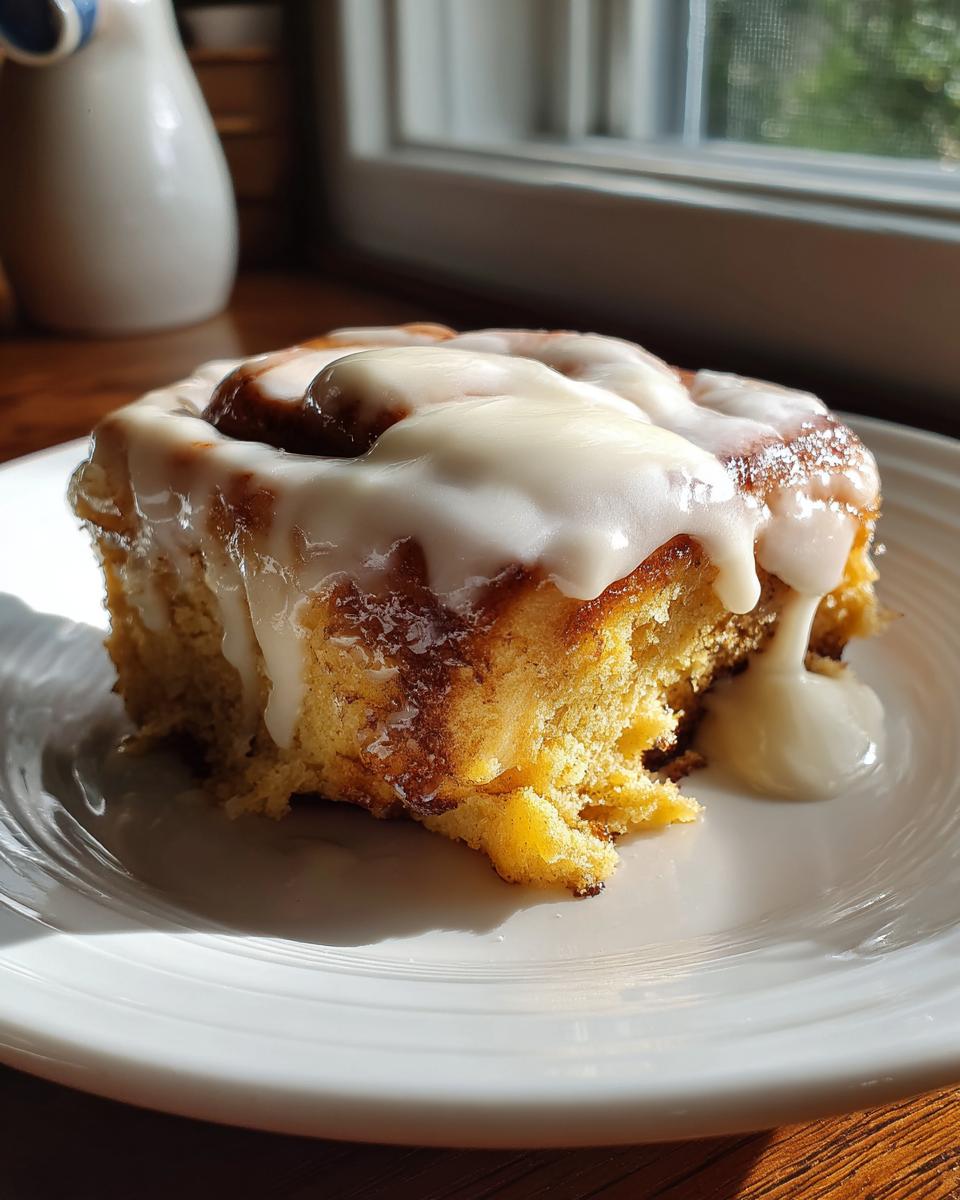
Frequently Asked Questions About Making Cinnamon Rolls
I get so many questions about troubleshooting these rolls when people make them for the first time. Honestly, dealing with yeast can feel intimidating, but once you understand how it works, you’ll find this yeast roll recipe is actually incredibly forgiving! Here are some of the most common snags people run into when trying to achieve that perfect soft breakfast. If you have any other questions about getting your recipes just right, feel free to drop me a line via my contact page!
Can I use instant yeast instead of active dry yeast?
Yes, absolutely you can! Instant yeast is fantastic because it’s already activated, so you can skip that whole first step of proofing it in the warm milk and sugar. For this recipe, if you are using instant yeast, just whisk it directly into your dry ingredients (the flour and salt) first. Then, when you add the wet ingredients, the dough will come together faster. You might also notice that the first rise is a bit quicker, so keep a closer eye on it!
My dough did not double in size. What went wrong?
Ugh, that’s the worst feeling! When your dough doesn’t rise, it’s almost always one of two things: temperature or yeast age. If your milk was too hot (over 130°F), you likely killed the yeast, and no amount of warmth will bring it back. Try feeling the milk with a clean finger—it should feel pleasantly warm, not hot. The other common culprit is old yeast because it loses its viability over time. If you suspect your yeast is old, that’s why you need to do the initial proofing step so you can see that foamy confirmation before you add all your expensive flour!
Nutritional Snapshot of This Homemade Cinnamon Roll
Since we are using rich ingredients like butter, cream cheese, and a good amount of sugar to make these the best cinnamon rolls possible, I always like to include a rough nutritional breakdown. Remember, these numbers are just an estimate based on the exact recipe volumes and product averages. Because we are making a homemade pastry that is meant to be rich and indulgent, keep in mind these are certainly a treat! You get a wonderful, satisfying experience that fuels happy mornings, but this isn’t an everyday low-calorie breakfast.
- Serving Size: 1 roll
- Calories: Approximately 450
- Sugar: Roughly 45g
- Fat: About 22g (A good chunk of that is the wonderful butter!)
- Protein: 7g
- Carbohydrates: 58g
This snapshot just confirms what we already know: this is a decadent, comforting way to start the day. Enjoy every bite of this sweet breakfast recipe!
PrintSoft Homemade Cinnamon Rolls with Cream Cheese Icing

Make bakery-quality soft, fluffy cinnamon rolls from scratch. This recipe guides you through making a rich, yeasted dough and a sweet cream cheese glaze for the best homemade pastry experience.
- Prep Time: 45 min
- Cook Time: 25 min
- Total Time: 145 min
- Yield: 12 servings 1x
- Category: Breakfast
- Method: Baking
- Cuisine: American
- Diet: Vegetarian
Ingredients
- 1 cup whole milk, warm (about 110°F)
- 2 1/4 teaspoons active dry yeast
- 1/2 cup granulated sugar, plus 1 tablespoon for yeast
- 1/2 cup unsalted butter, melted
- 2 large eggs, room temperature
- 4 cups all-purpose flour, plus more for dusting
- 1 teaspoon salt
- For the Filling:
- 1/2 cup unsalted butter, softened
- 1 cup packed light brown sugar
- 2 tablespoons ground cinnamon
- For the Icing:
- 8 ounces cream cheese, softened
- 1/2 cup unsalted butter, softened
- 3 cups powdered sugar
- 1 teaspoon vanilla extract
- 2–4 tablespoons milk
Instructions
- Activate the yeast: In a large bowl, combine the warm milk and 1 tablespoon of sugar. Sprinkle the yeast over the top and let it sit for 5 to 10 minutes until foamy.
- Make the dough: Add the remaining 1/2 cup sugar, melted butter, eggs, flour, and salt to the yeast mixture. Mix with a wooden spoon or stand mixer until a shaggy dough forms.
- Knead the dough: Turn the dough out onto a lightly floured surface and knead for 8 to 10 minutes until smooth and elastic. Place the dough in a lightly oiled bowl, turning to coat. Cover the bowl with plastic wrap and let it rise in a warm place for 1 to 1.5 hours, or until doubled in size.
- Prepare the filling: While the dough rises, mix the softened butter, brown sugar, and cinnamon together in a small bowl until well combined.
- Shape the rolls: Punch down the risen dough. On a lightly floured surface, roll the dough into a large rectangle, about 12 by 18 inches.
- Spread the filling evenly over the dough, leaving a 1-inch border along one long edge bare.
- Starting from the long edge opposite the bare border, tightly roll the dough into a log. Pinch the seam closed.
- Cut the log into 12 equal pieces. Place the rolls, cut-side up, in a greased 9×13 inch baking pan.
- Second rise: Cover the pan loosely and let the rolls rise again in a warm spot for 30 to 45 minutes, until puffy.
- Bake the rolls: Preheat your oven to 375°F. Bake for 20 to 25 minutes, or until golden brown.
- Make the icing: While the rolls cool slightly, beat the softened cream cheese and butter until smooth. Gradually add the powdered sugar, vanilla extract, and 2 tablespoons of milk. Beat until creamy, adding more milk if needed for a spreadable consistency.
- Ice the rolls generously while they are still warm. Serve immediately for the best sweet breakfast recipe experience.
Notes
- For extra soft rolls, let the dough rise in a slightly warm oven (turned off) with a pan of hot water on the bottom rack.
- If you want a gooier center, use slightly less flour when rolling out the dough.
- You can prepare the dough the night before, let it rise once, punch it down, place it in the pan, cover, and refrigerate. In the morning, let it warm up for 30 minutes before baking.
Nutrition
- Serving Size: 1 roll
- Calories: 450
- Sugar: 45g
- Sodium: 350mg
- Fat: 22g
- Saturated Fat: 14g
- Unsaturated Fat: 8g
- Trans Fat: 0.5g
- Carbohydrates: 58g
- Fiber: 2g
- Protein: 7g
- Cholesterol: 65mg